
Last updated November 25, 2026
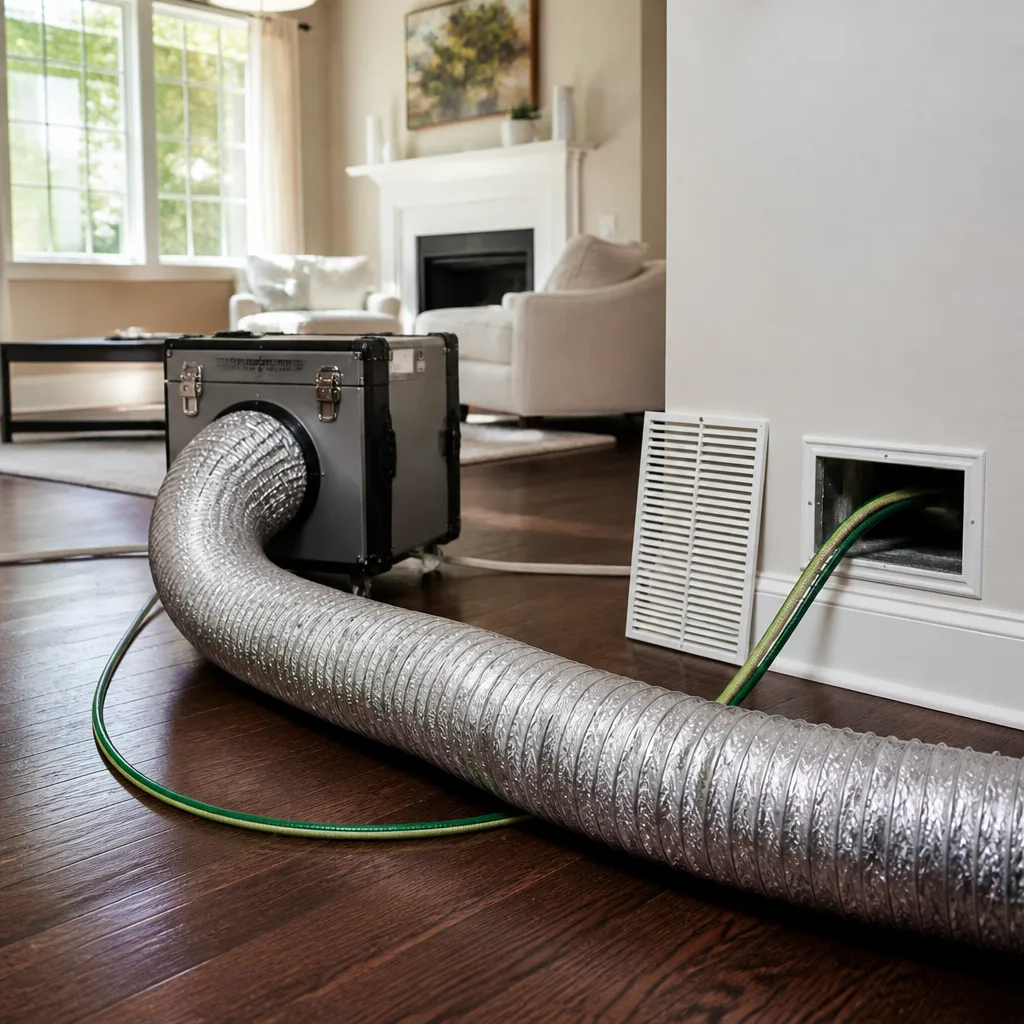 Whole-home duct cleaning
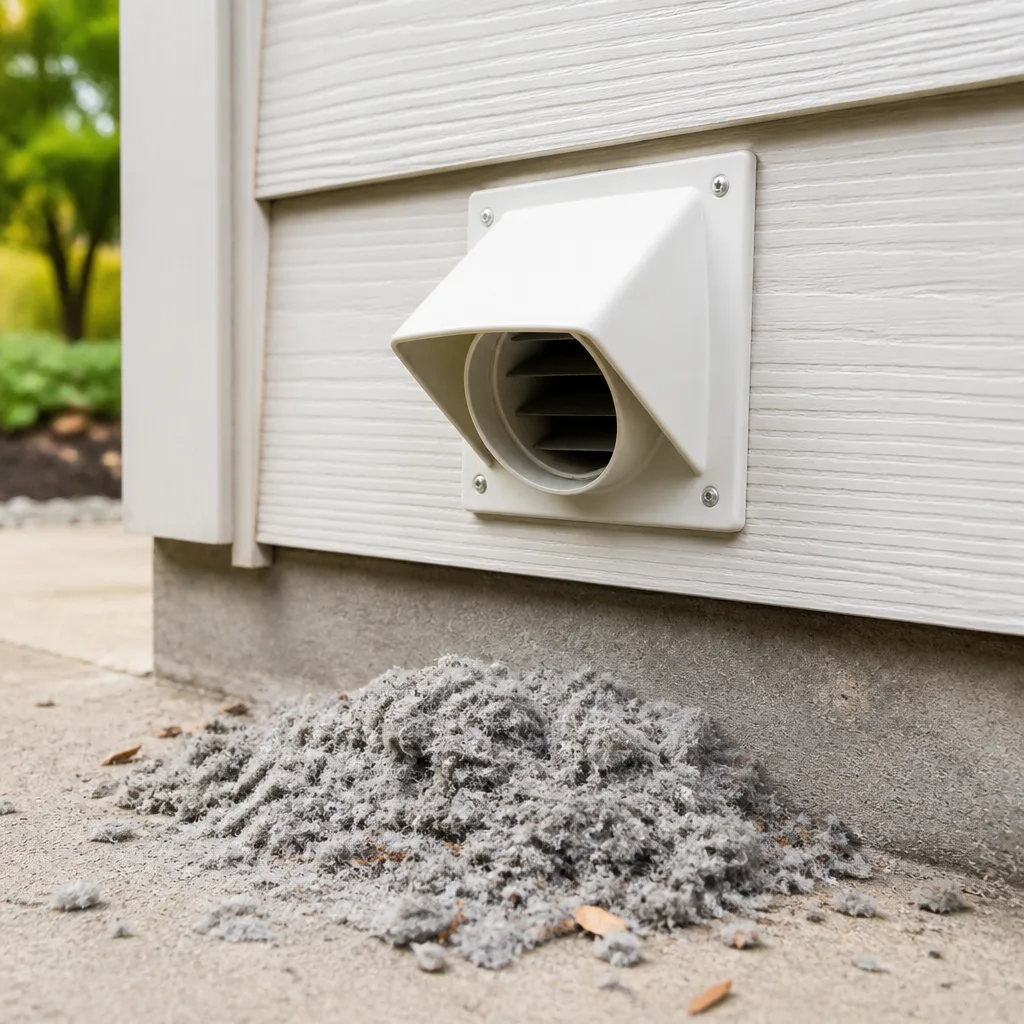 Dryer vent cleaning
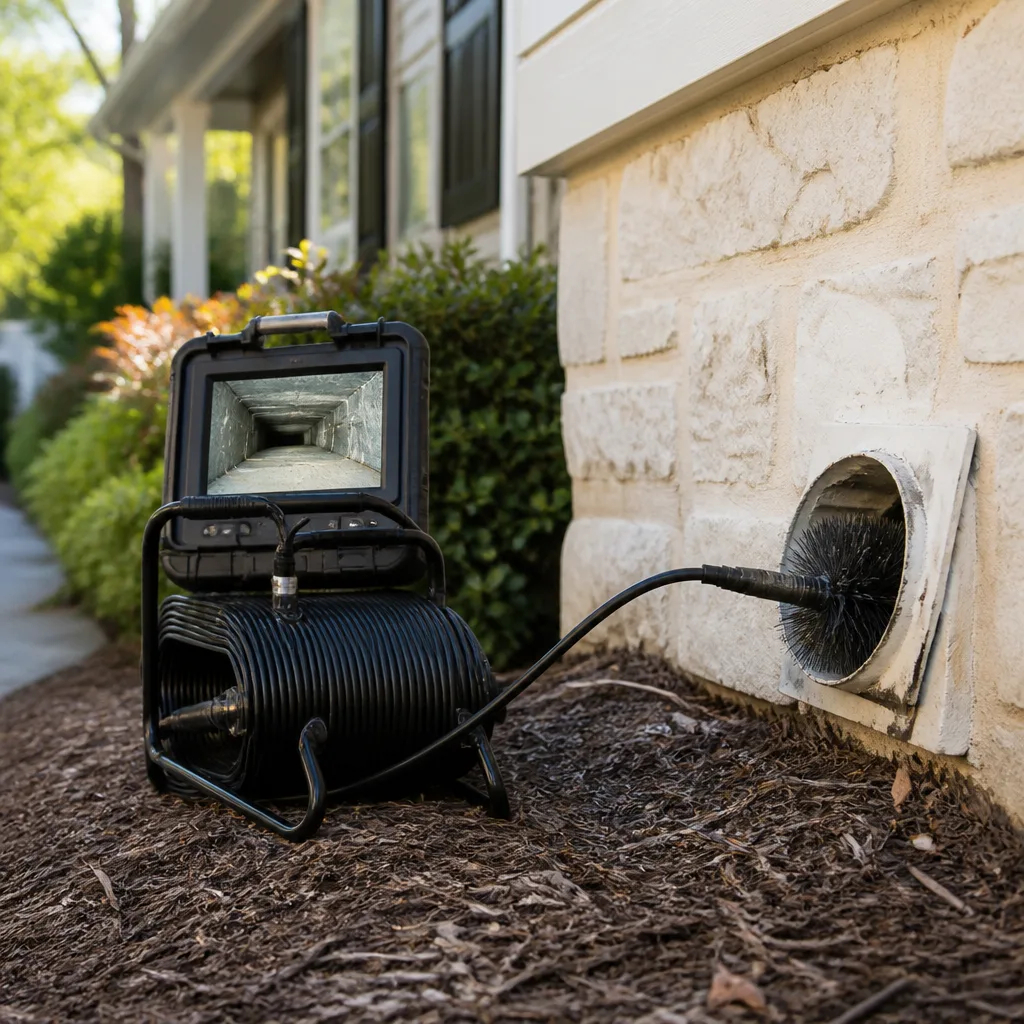 Camera inspection
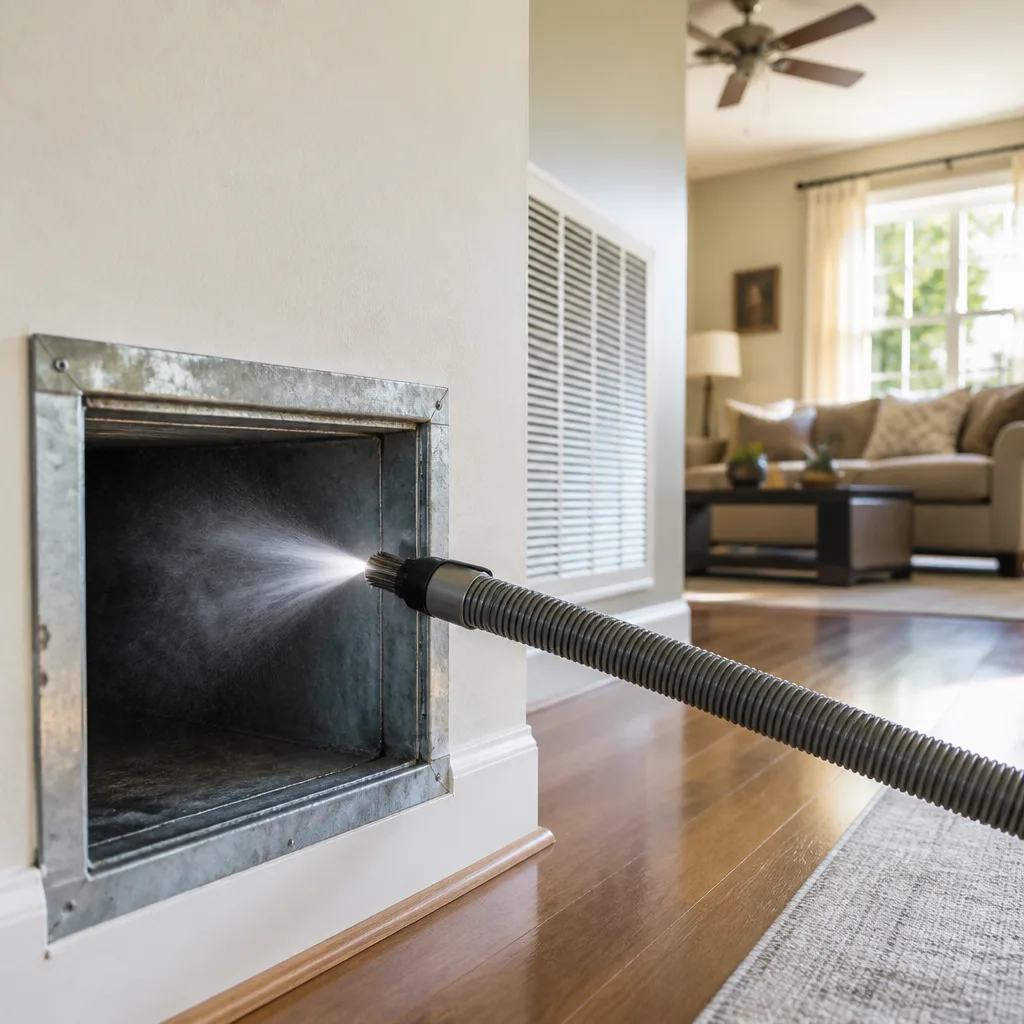 Sanitizing & deodorizing
Whole-system duct and dryer vent check with before-and-after photos - you see exactly what came out of your vents
That "$99 whole-house special" is a bait ad - the real number appears once they are in your hallway, or the "clean" is a shop-vac at the register. We photograph the inside of your ducts before and after instead.
Air Duct Cleaning Maintenance Checklist for Holmesburg Homeowners
Changing your filter on schedule feels responsible. But a clogged return grille can collapse that filter inward and push debris straight into the duct system, a failure mode no basic checklist warns you about. Most homeowners in Holmesburg track their duct cleaning the same way they track an oil change: one date on the calendar, then nothing until something smells wrong. That misses the point. A useful checklist works as a diagnostic tool between cleanings, flagging the conditions inside your home that speed up contamination long before the air gets noticeably worse. Here’s how we build that checklist, what you can check yourself, and the triggers that mean it’s time to call a pro.
Quick Answer
A working air duct maintenance checklist for a Holmesburg home has two tracks: things you do yourself (filters, grille wipe-downs, dryer exhaust checks) and conditions that mean calling a professional (moisture around ductwork, flex duct sag, post-renovation debris, visible buildup at registers). Check the homeowner items monthly, and use the professional triggers as a watch list rather than a schedule. The best checklist is the one tied to your filter purchase dates, kept where you’ll actually see it.
Styles & brands we work with
- Whole-home duct cleaning
- Dryer vent cleaning
- Camera inspection
- Sanitizing & deodorizing
Table of Contents
- The Two-Track Checklist: What You Do vs. What a Pro Handles
- The Filter Trap: Why a Clogged Return Grille Undoes a Clean System
- Moisture Indicators in Holmesburg’s Older Homes
- The Post-Renovation Checklist
- Dryer Vent Lint: The Checklist Item Everyone Skips
- How to Keep a Duct Log in Your Utility Drawer
- Seasonal Checks for a Holmesburg Year
- Professional Inspection Triggers
The Two-Track Checklist: What You Do vs. What a Pro Handles
Most checklists fail because they mix up homeowner tasks with professional work, so nothing gets done. Split them. Track one is yours to own monthly. Track two is a list of conditions to watch for and report, not a service schedule. Keeping them separate means you’re not trying to inspect duct interiors with a flashlight, and you’re not paying a pro to swap a filter.
Homeowner track (do this yourself)
- Swap or clean the HVAC filter on a set interval, and write the date on it before you slide it in
- Wipe down return and supply grilles with a damp cloth so you can actually see dust patterns as they change
- Look inside the return grille with a flashlight once a month for filter collapse or debris past the filter
- Check the dryer vent exterior flap opens freely while the dryer runs
- Clear lint from the dryer’s trap area and the flexible transition behind the unit
- Note any new musty smell when the system first kicks on
Professional track (watch for these, then call)
- Visible dust or debris coming through a supply register when the system runs
- Moisture staining or condensation around ductwork in the basement or crawlspace
- Flex duct that sags, kinks, or has pulled loose from a boot
- Recent drywall work, floor sanding, or a major renovation
- Airflow that’s dropped in specific rooms while others stay strong
If you want a full baseline before you start tracking, our Air Duct Cleaning Holmesburg page explains what a whole-system assessment covers. If any professional-track item shows up, the next step is a proper look, and that’s what air duct cleaning delivers when the source is buildup inside the duct runs.
The Filter Trap: Why a Clogged Return Grille Undoes a Clean System
Here’s the misconception we deal with most. Homeowners think changing the filter is the whole filter job. It isn’t. The return grille is the intake, and when it loads up with dust and pet hair, the airflow drops and the pressure on the filter rises. A cheap pleated filter under that load can bow and pull inward, and once it collapses at the edge, unfiltered air bypasses it entirely. That debris goes straight into the duct system you just paid to clean.
How to spot the collapse
- Turn the system off before you open anything.
- Remove the return grille or open the filter slot.
- Look at the filter’s edges, not the center. Collapse shows first where the filter meets the frame.
- Check for a gap around the filter’s perimeter. Any gap is a bypass path.
- Wipe the grille face and look at how fast it reloads over a couple of weeks.
A grille that reloads visibly in two weeks is telling you the return air is carrying more debris than the filter setup can handle. That’s the signal to look upstream, not just to the next filter. Homes in Holmesburg with older sheet-metal returns and undersized grilles are prone to this, especially where a previous owner upgraded to a thicker filter without widening the grille.
One practical fix is to match filter thickness to the grille’s depth so the filter seats flat, and to inspect monthly during heavy-use months rather than trusting the label. If a grille is genuinely too small, a professional can look at whether the return path needs adjustment or whether the buildup inside the ducts is now the bigger problem.
Moisture Indicators in Holmesburg’s Older Homes
Moisture is the quiet accelerator. Damp duct interiors hold dust, and held dust is where microbial growth starts. Holmesburg has a lot of older housing stock with full basements and original duct layouts, and those are exactly the conditions that let moisture creep into a duct system without anyone noticing. The checklist here isn’t about panic. It’s about spotting the early signals.
What to check in a basement or crawlspace
- Condensation on duct surfaces: beads of water on the outside of a duct in summer point to a supply line running through humid air, often a missing or damaged vapor barrier on the insulation
- Rust rings or water staining near trunk lines: look at the metal near joints and hangers, not just the floor below
- Sagging flex duct: a low spot in flex duct traps moisture and dust and also cuts airflow
- Musty smell near the return: a persistent smell within a foot of the return grille points to moisture somewhere in the run
- Previous water intrusion signs: chalky stains on joists, efflorescence on block walls, or a painted-over patch that suggests a past leak near the trunk line
Why this matters between cleanings
A dry duct system holds dust loosely and a cleaning removes it. A damp duct system binds that dust to the metal, and a light cleaning passes right over it. That’s why any moisture finding belongs on your professional-inspection list. Fixing the moisture source matters as much as the cleaning itself. In our experience, a homeowner who spots sagging flex duct early saves themselves a repair later, because Duct Repair & Sealing can address a sag, a loose joint, or a leaky seam on the same visit as the cleaning.
The general rule: if you see water, rust, or persistent mustiness around ductwork, stop and get it looked at before scheduling a routine cleaning. Cleaning a wet system without addressing the moisture source is a short-term fix.
The Post-Renovation Checklist
Drywall dust and construction debris are among the fastest ways to contaminate a recently cleaned system. The dust from a single kitchen renovation can load a filter in a day and push fine gypsum dust deep into the supply runs. If you’ve had any interior work done, this checklist section matters more than anything else on the page.
During and after renovation
- Before demo starts, seal off return grilles in the work zone with plastic and tape.
- Ask your contractor to use a negative-air machine or box fan with a filter in the work area to pull dust away from the living space.
- Change the HVAC filter the day the work finishes, not the next month.
- Run the system on fan only for an hour with the grilles open, then check the filter again.
- Look inside a few supply registers with a flashlight for a fine white dust film.
- Schedule a professional assessment before you consider the system clean.
White gypsum dust is easy to spot against a dark duct interior. The catch is that the dust you can see at the register is only a fraction of what settles into the runs. A professional with negative-pressure equipment pulls that dust out instead of stirring it back into the room. This is where equipment matters. The Rotobrush and Nikro systems we work with combine contact cleaning with negative-pressure extraction, so the debris gets captured rather than redistributed. Abatement Technologies negative-air equipment lets us hold containment in a home that just had heavy dust-generating work. For the full picture on how a post-renovation clean fits into your system, see our HVAC cleaning page.
Dryer Vent Lint: The Checklist Item Everyone Skips
The dryer vent is a parallel air pathway with the same contamination risk as your HVAC ducts, and almost no homeowner checklist includes it. Lint builds in the same way dust does, and because the vent terminates outside, a restricted vent often shows no visible sign until the dryer starts running long. Long dry times, a hot dryer exterior, or a flap that barely moves are the signals.
Monthly dryer vent checks
- Pull the lint trap and clean it every load. This is your lowest-effort check, so make it a habit.
- Look at the outside vent flap while the dryer runs. It should sit fully open and swing freely.
- Feel the transition duct behind the dryer for kinks or crushed sections.
- Note drying times. A load that used to take 40 minutes and now takes 60 is a signal.
Annual or professional checks
- Disconnect the dryer and vacuum lint from the transition and the first few feet of the run, only if you’re comfortable doing it.
- Have the full run from the dryer to the exterior cleaned by a professional on a regular interval.
- Confirm the vent terminates outside with a proper hood, not in the attic or a garage.
Dryer vent cleaning is a documented home fire-risk reducer, and it’s also the item most often left off a duct checklist because homeowners think of it as a laundry task. We offer it as a standalone service for exactly that reason; you don’t have to book a duct cleaning to get it done. If your checklist flags long dry times or a slow flap, our dryer vent cleaning service addresses the whole run from unit to vent terminal, not just the easy first section. That matters because the deep bends and vertical runs hold lint where a handheld vacuum won’t reach.
How to Keep a Duct Log in Your Utility Drawer
The most useful thing about a checklist is the record it leaves. A simple log kept where you’ll see it, ideally the utility drawer next to the furnace or the cabinet where you store filters, turns a vague memory into a real diagnostic record. Here’s the format we recommend, built around filter buys because that’s a date you already have.
Log format
- Date: when you changed the filter or performed a check
- Filter type and size: so you re-buy the right one
- Grille condition: normal, heavy dust, filter collapse, or debris visible
- Dryer dry time: a rough number, say 40 minutes or 60 minutes
- Smell or symptom: musty, dusty, airflow weaker, or nothing
- Action taken or note: filter changed, professional called, or watch for next month
Keep it short. A three-line log beats a complicated spreadsheet you’ll abandon. Tie the first entry to your last filter purchase date and work forward. When you eventually call a professional, the log gives them a real timeline instead of a guess. It also protects you: if you notice a repeat pattern, you have dates to point to rather than a vague sense that something’s off.
What the log reveals
Two patterns matter most. First, an accelerating dust rate: filters loading faster over time suggests a contamination source inside the ducts. Second, a drying-time creep on the dryer, which points to lint. Both are things a homeowner can see from the log without ever opening a duct. The log won’t replace a professional inspection, but it tells you when to call and what to say.
Seasonal Checks for a Holmesburg Year
Holmesburg sees real seasonal swings, and the checklist should shift with them. The transition months matter most, because that’s when the system sits idle and moisture or dust has a chance to settle before the next season.
- Spring, before AC season: check basement ducts for condensation after the first humid stretch; change the filter if it’s been in over a few months; check the return grille for collapse after a heavy heating season
- Summer, during AC use: watch for condensation on supply lines running through humid basement air; a musty first-kick smell is your signal
- Fall, before heating season: wipe grilles and check for visible dust film; look at the return grille after the first heat cycle; check the dryer vent if you haven’t since spring
- Winter, during heating: dry air hides dust, so rely on the log rather than your nose; check filter load more often if the system runs long stretches
None of these require a professional visit on their own. They’re the watch points that feed the two tracks. If a season surfaces the same finding two years in a row, add it to the professional list.
Professional Inspection Triggers
Not every finding needs a call. Some do, and it’s worth being clear about which. A professional inspection is already warranted when any of the following appear, and a free estimate is the right first step rather than a full booking.
- Visible debris blowing from a supply register
- Water staining, rust, or persistent mustiness near ductwork
- Flex duct sagging, crushed, or pulled loose at a boot
- Post-renovation dust film visible inside multiple registers
- Dryer dry times climbing with no change in load
- Airflow that’s dropped in specific rooms
A technician can confirm what the checklist is telling you before any work is scheduled. Our technicians have up to 12 years of experience and work with professional-grade systems, so the assessment tells you whether it’s a cleaning matter, a repair-and-sealing matter, or something in the air quality line where a Honeywell or Aprilaire product might help. All in one visit, not three vendors.
Common Mistakes to Avoid
- Trusting the calendar over the conditions. A fixed schedule ignores what’s happening inside your home. A remodel, a new pet, or a wet basement changes the interval. Track the conditions, not just the date.
- Buying the cheapest filter and calling it done. A thin filter that bows inward under a clogged grille is worse than no filter system. Match filter type to grille and load, and check for edge collapse in Holmesburg homes with older return grilles.
- Skipping the dryer vent because it’s not “duct cleaning.” Lint is a fire risk and it shares the same airflow logic as your HVAC ducts. Put it on the checklist as its own line item.
- Getting a cleaning right before a renovation. You’ll be paying to remove dust twice. Schedule the clean for after the construction dust has settled, or plan on a second visit.
- Ignoring a musty smell after a humid stretch. In older Holmesburg basements, a smell near the return usually points to moisture in the runs. Cleaning a damp system without finding the source is a short-term fix.
- Using a shop-vac on duct interiors. A consumer vacuum stirs dust more than it removes and puts it back into the room. Contact cleaning with negative pressure is what actually captures it.
- Not keeping a log. Without one, you’re guessing when you last checked, what the airflow was like last spring, and whether the dryer dry time has crept up. Logs turn hunches into evidence.
See the difference
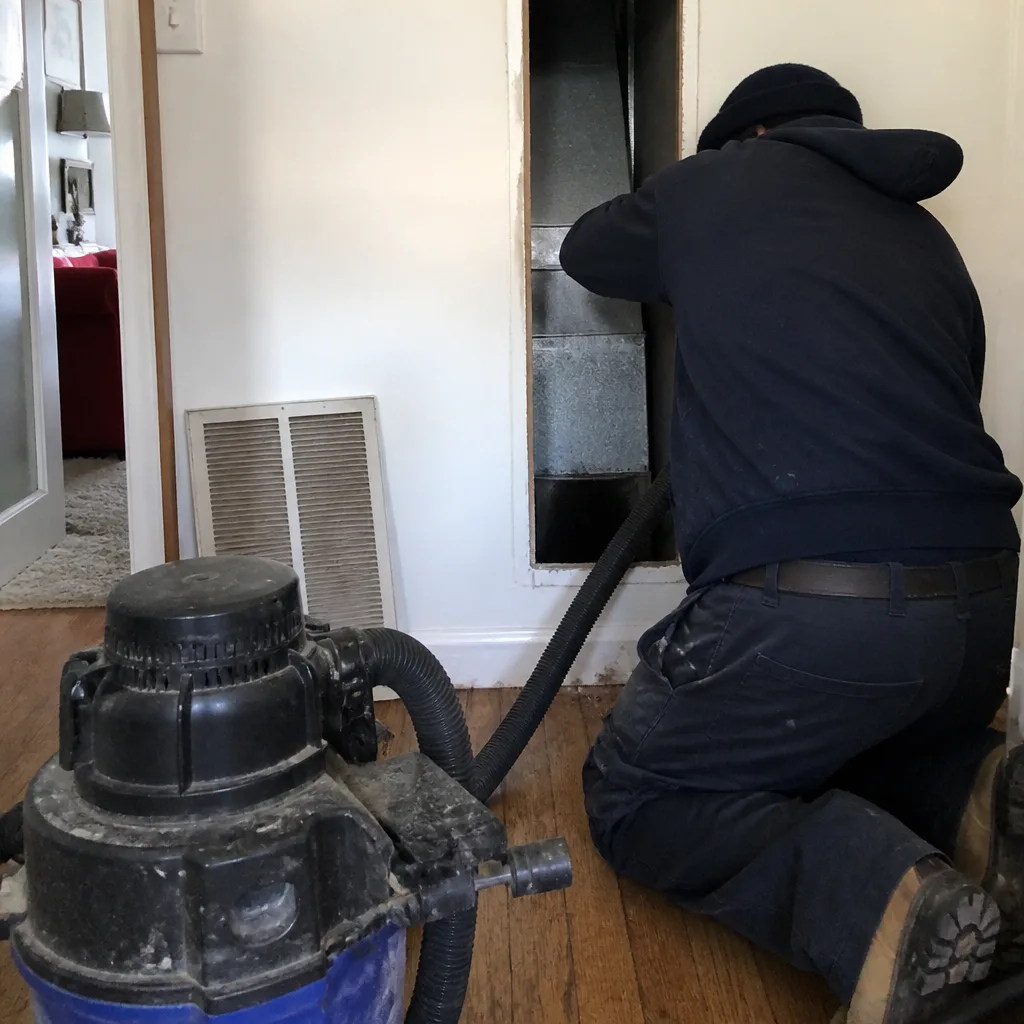 Before
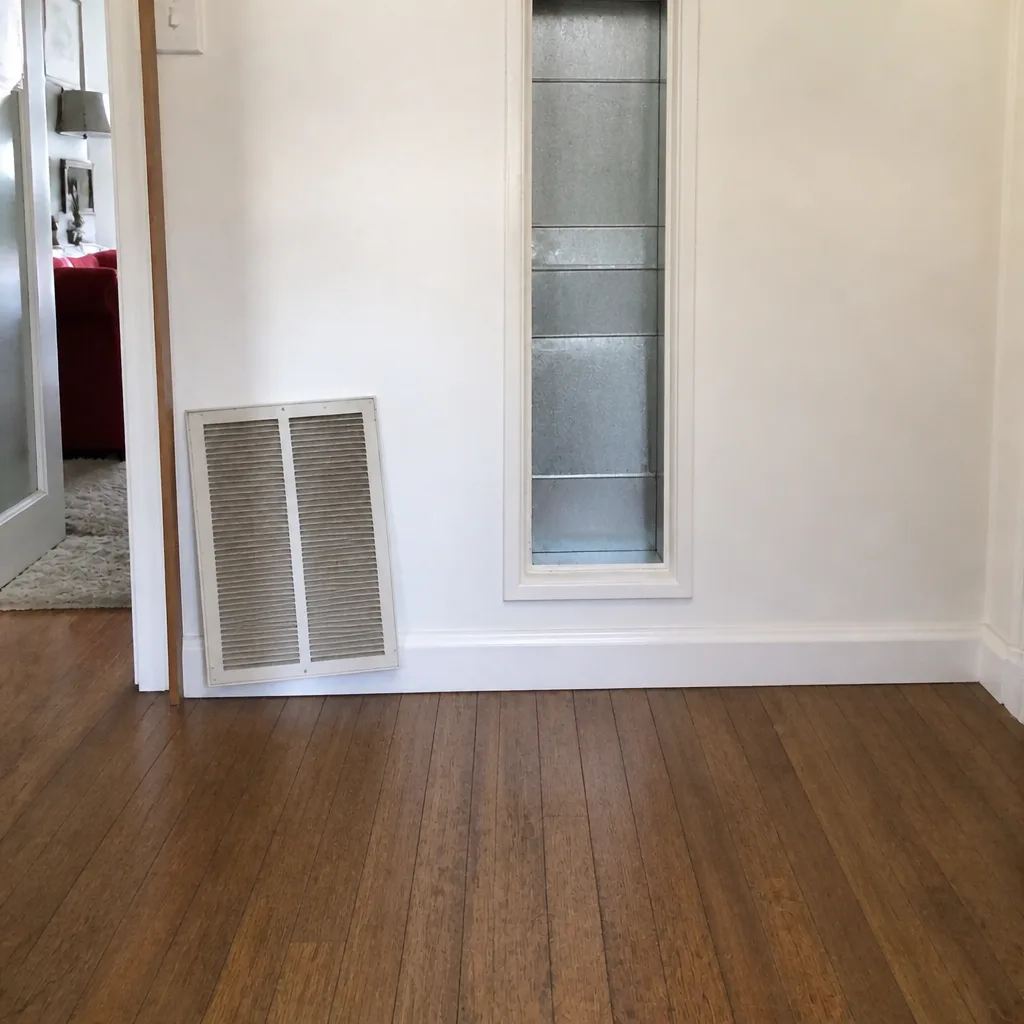 After
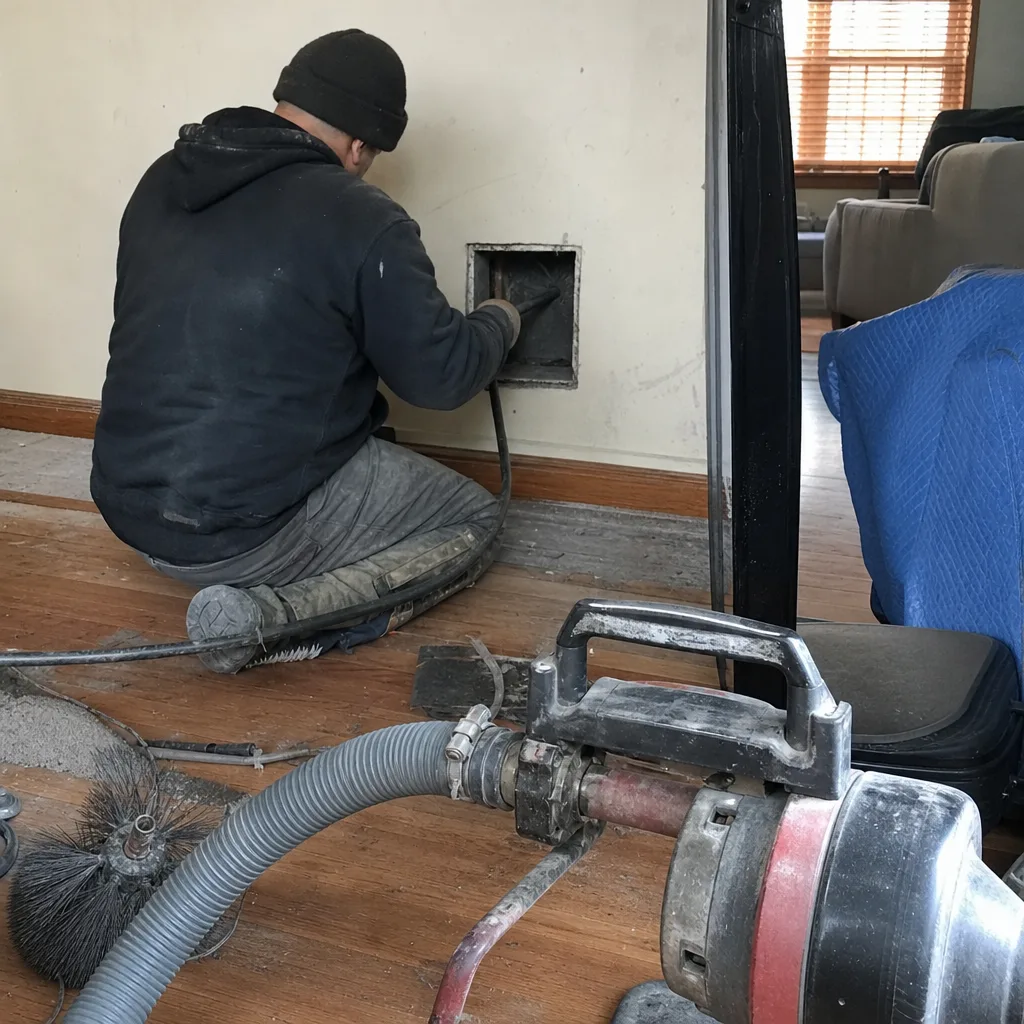 Before
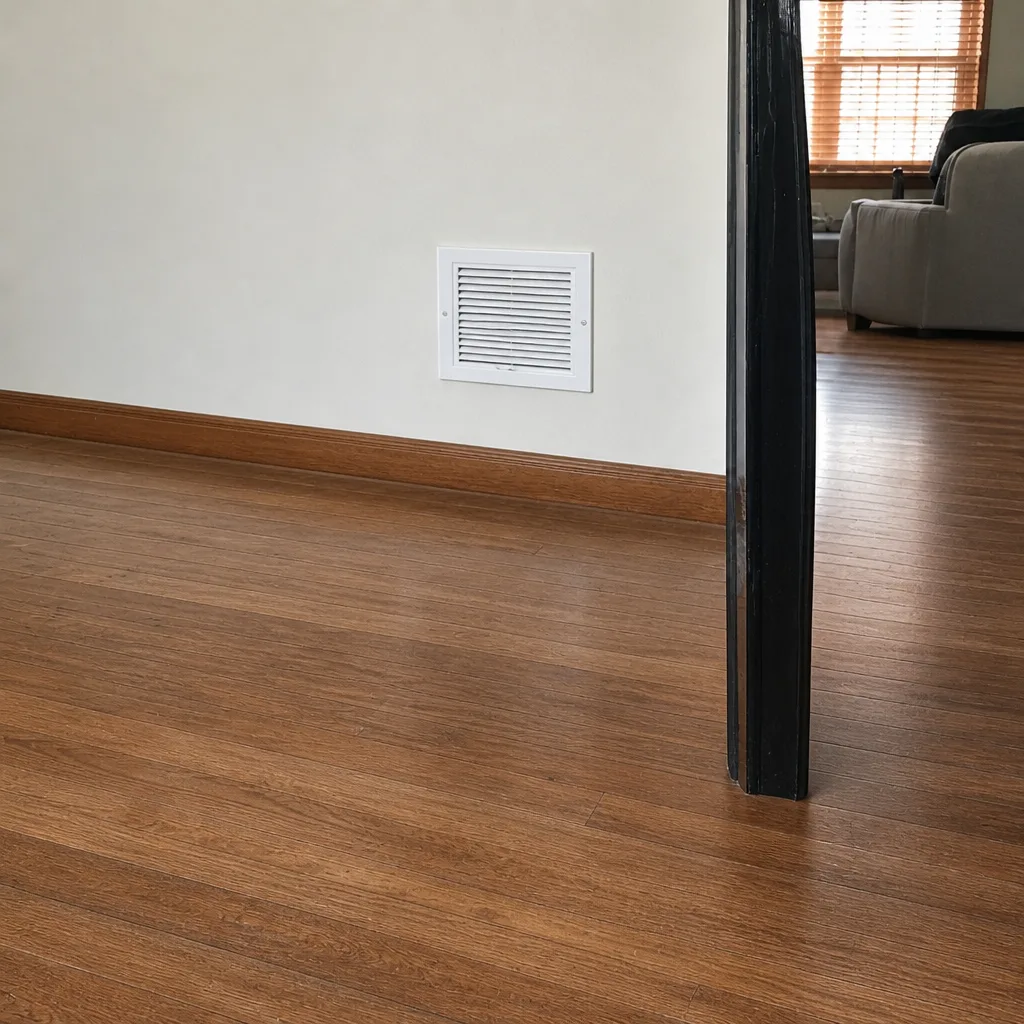 After
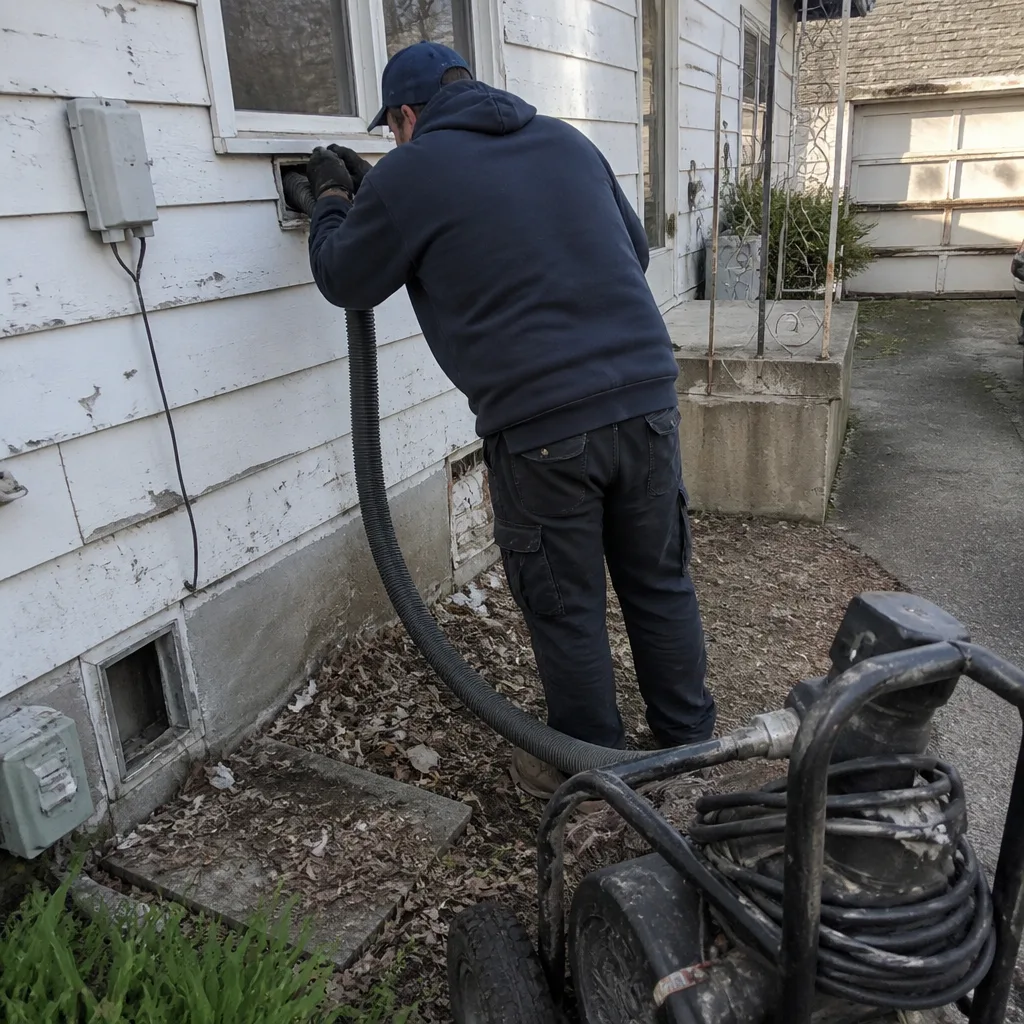 Before
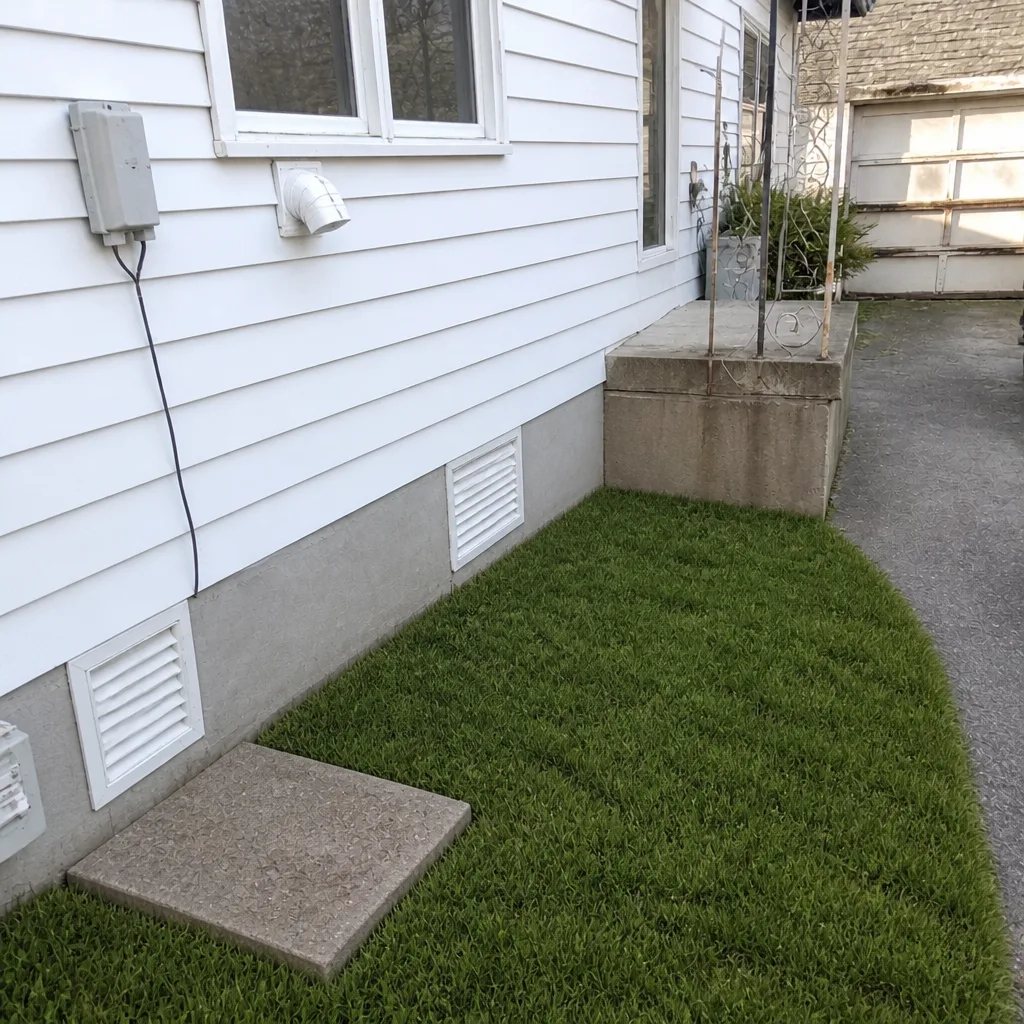 After
When to Call a Professional
Call when the checklist surfaces a condition you can’t safely address yourself: moisture around ductwork, visible debris at a register, flex duct sag or separation, or a post-renovation dust load. Call also when you’re due for a proper assessment and want a baseline before, or a clear picture after, a major change in your home. Air Duct Cleaning Holmesburg offers free estimates in Holmesburg. Call (877) 770-0234 for a free estimate. We answer 24/7. Fast dispatch from 7am to 7pm, Sunday through Friday. Our technicians have up to 12 years of experience and work with equipment that matches the job, from Rotobrush contact cleaning to Nikro extraction, with the option to work with Honeywell and Aprilaire product lines if your air quality calls for it. We work with your insurer where that applies, and we offer one flat price per system agreed before any work starts.
Frequently Asked Questions
Most Holmesburg homeowners should plan a professional cleaning based on conditions, not a fixed calendar, with a full inspection every few years and a cleaning sooner if the checklist surfaces moisture, visible debris, or a post-renovation load. Evidence of moisture and repeated heavy dust in the log are the clearest signals. Call (877) 770-0234 for a free estimate based on your specific findings.
The cost depends on the size of the system and the work required, so we give a single flat price per system agreed before work starts, with no per-vent pricing and no teaser coupon figure that grows once the technician is on site. Cost is set by the written estimate. Call (877) 770-0234 to schedule a free estimate. We answer 24/7. Fast dispatch from 7am to 7pm, Sunday through Friday.
A cheap quote usually reflects a surface clean with consumer-grade equipment and no negative-pressure extraction, which stirs dust back into the room rather than capturing it. A proper clean uses professional equipment and confirms what was removed with before-and-after photos of your own ducts. Compare the process, not just the number. Call (877) 770-0234 for a free estimate with a full scope in writing.
The clearest proof is before-and-after photos taken inside your ductwork plus a documented scope tied to the written estimate. If a contractor can’t show you the removed material or explain what equipment was used, the clean is hard to verify. Call (877) 770-0234 to schedule an estimate and a clear view of what the job will include.
Watch for mustiness near the return vent, a drop in airflow at specific registers, and dust reloading on the return grille faster than the filter interval. Those signs suggest the source is inside the duct runs or the system, and a visual assessment will confirm it. Call (877) 770-0234 for a free estimate and a clear assessment.
The dryer vent should be cleaned on a regular interval, and more often if dry times lengthen, the exterior flap moves weakly, or you wash heavy loads regularly. The full run matters most, not just the first few feet behind the appliance. Call (877) 770-0234 to schedule. We answer 24/7. Fast dispatch from 7am to 7pm, Sunday through Friday.
The Bottom Line
A duct checklist works when it’s two things at once: a homeowner routine you can actually keep, and a watch list for the conditions that mean professional help. Keep the log in a drawer. Check your return grille for collapse, not just the filter date. Treat moisture, sagging flex duct, post-renovation dust, and dryer lint as first-class checklist items, not afterthoughts. Those are the signals that speed up contamination between cleanings in Holmesburg. If you’d rather have a professional build a clear baseline first, we can do that. We answer 24/7. Fast dispatch from 7am to 7pm, Sunday through Friday.
Written by the team at Air Duct Cleaning Holmesburg.