
Last updated November 25, 2026
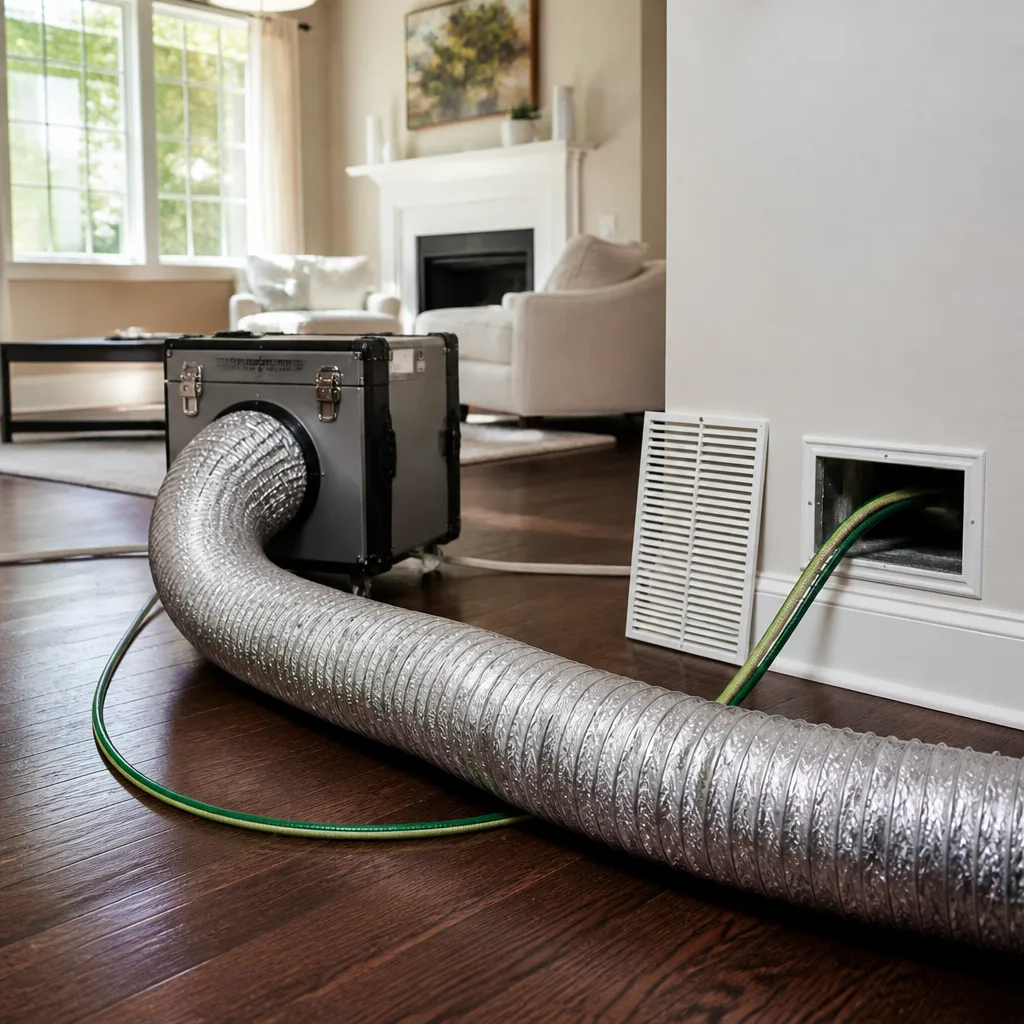 Whole-home duct cleaning
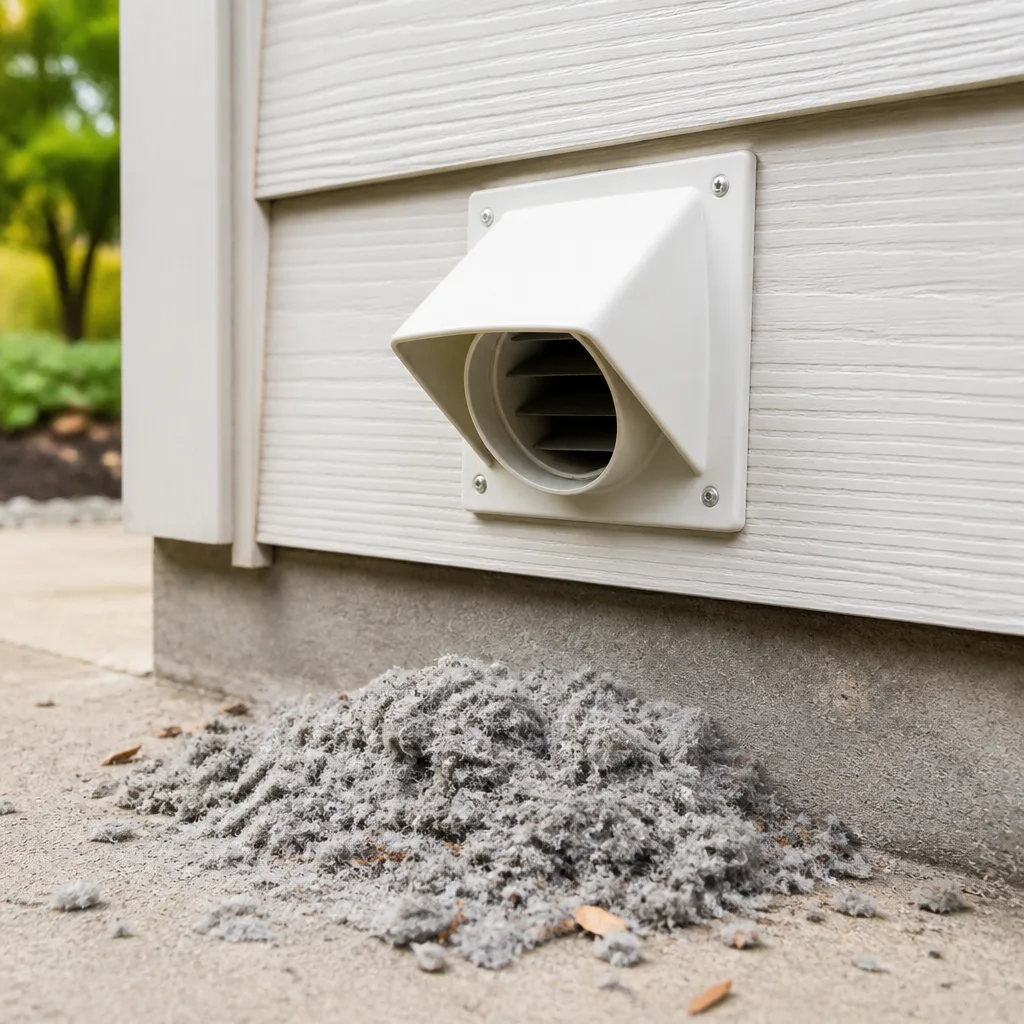 Dryer vent cleaning
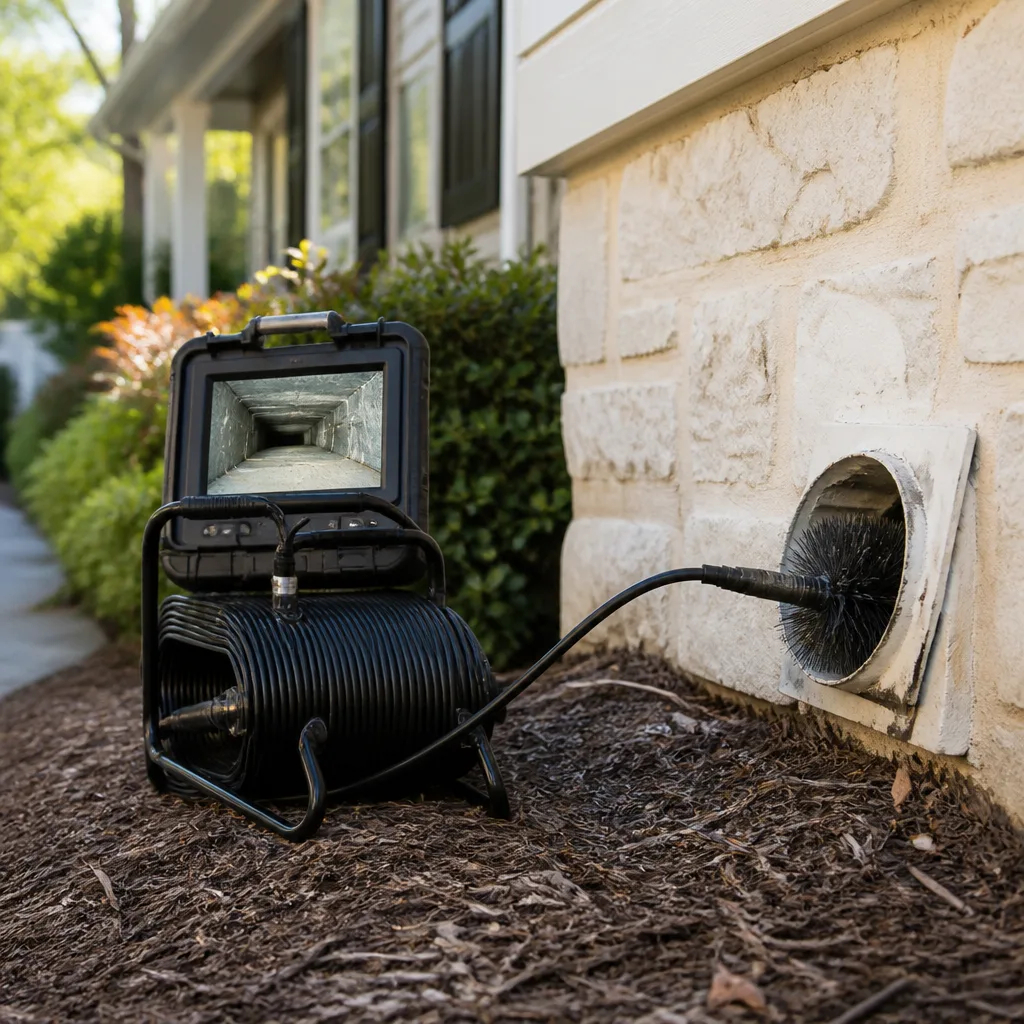 Camera inspection
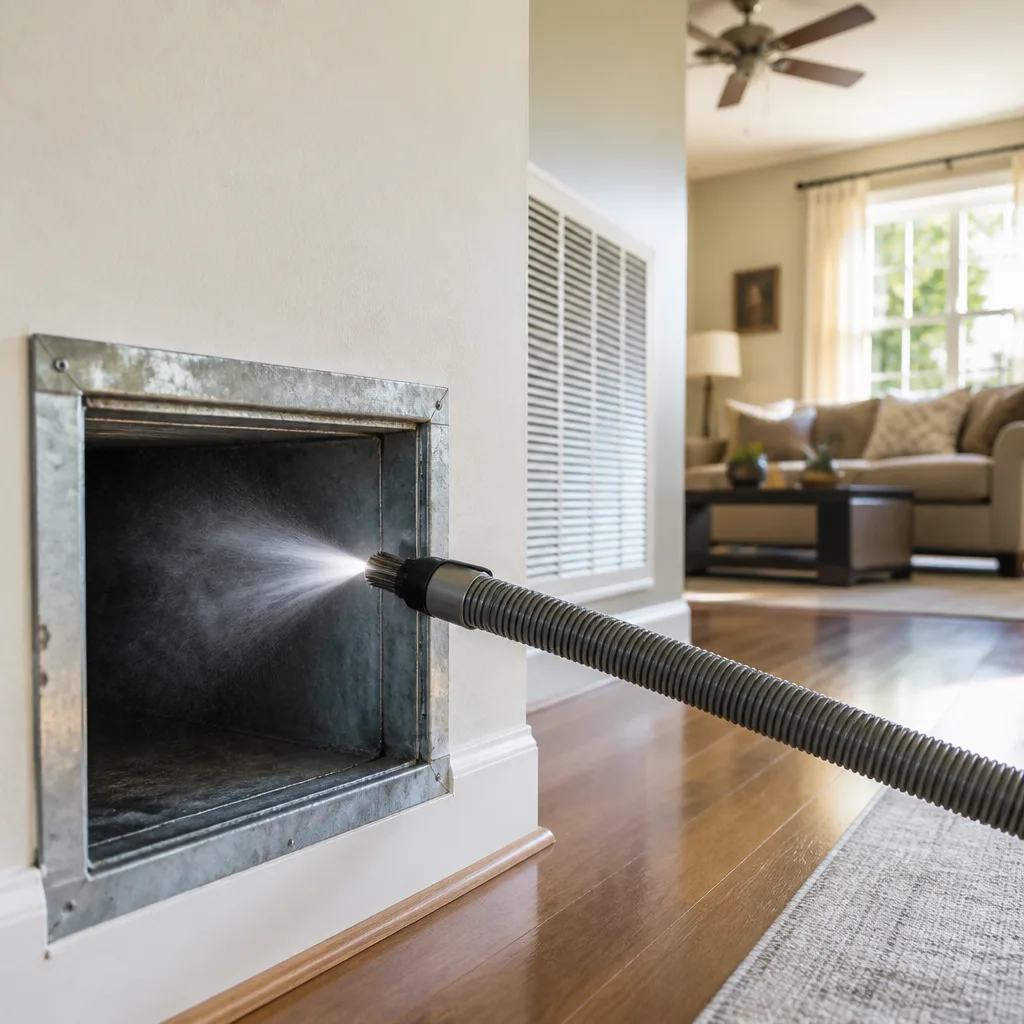 Sanitizing & deodorizing
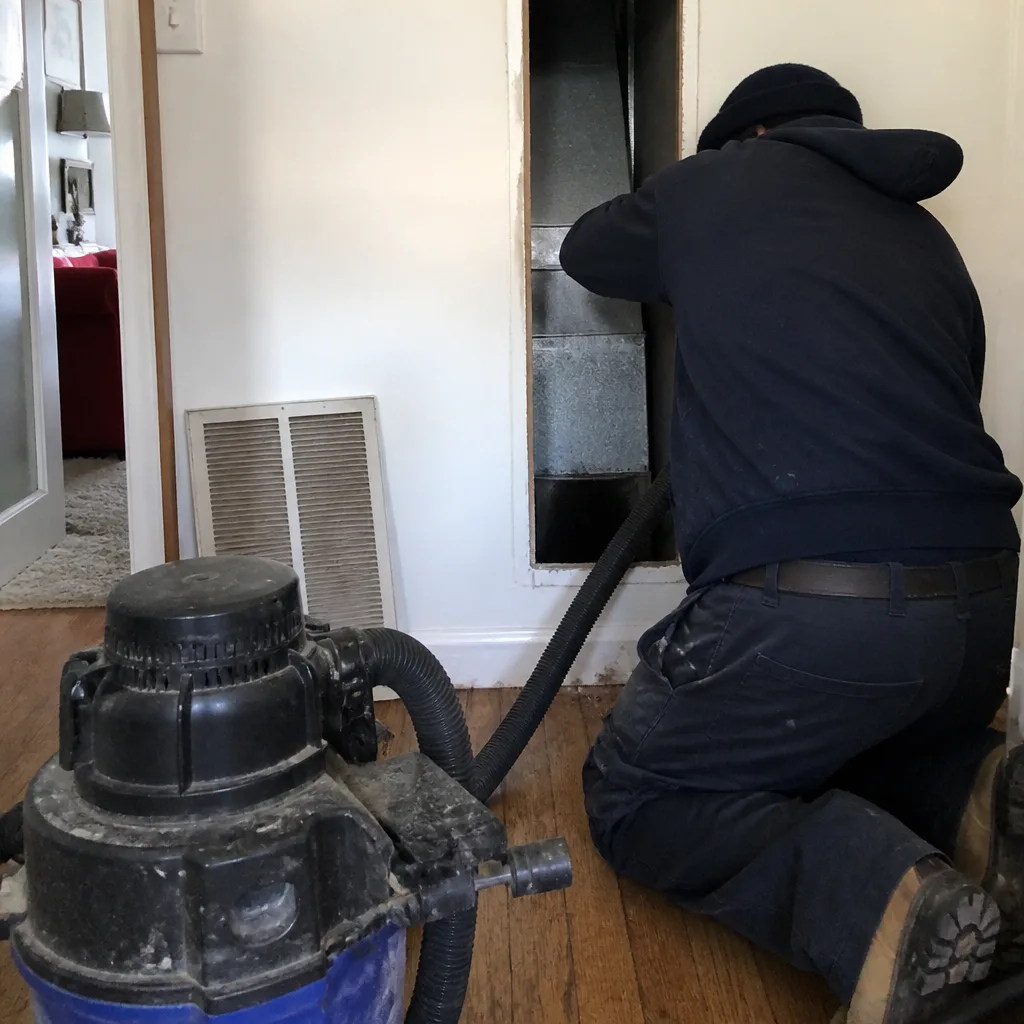
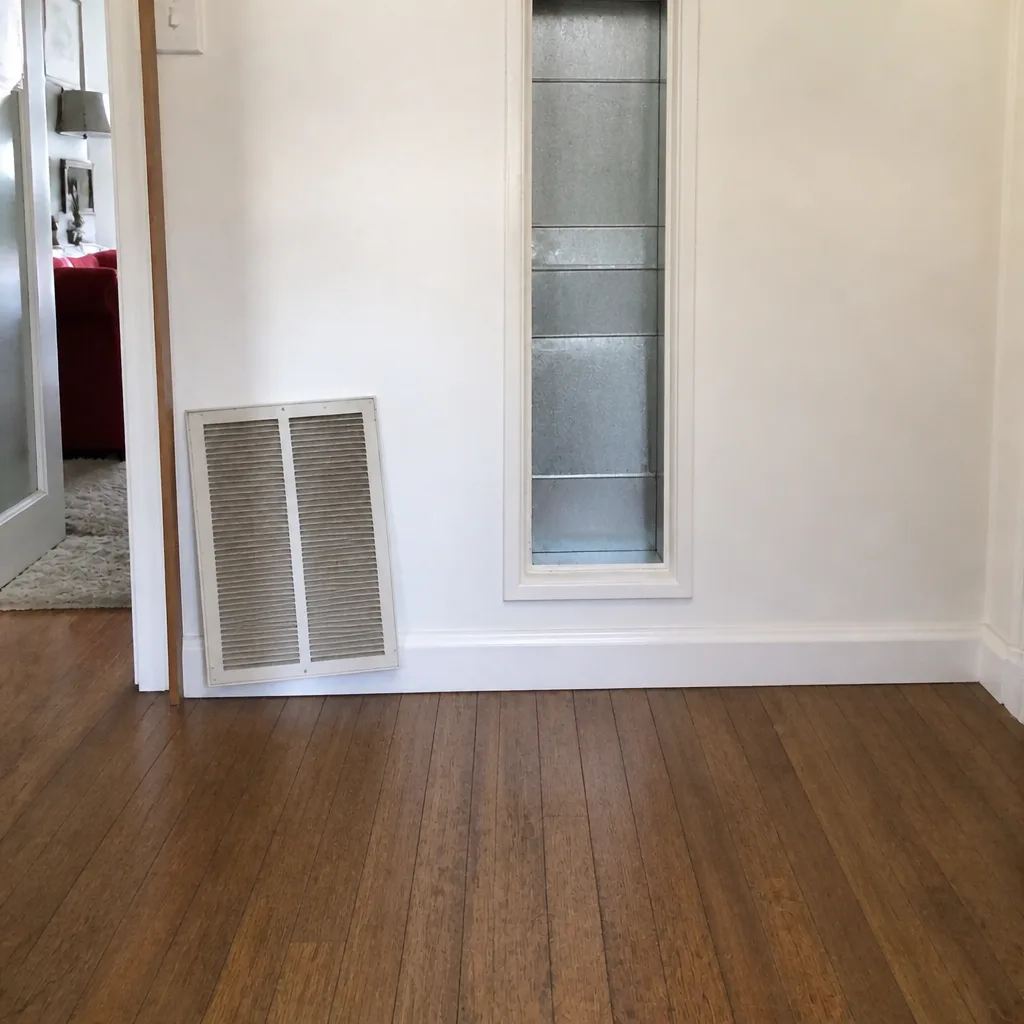
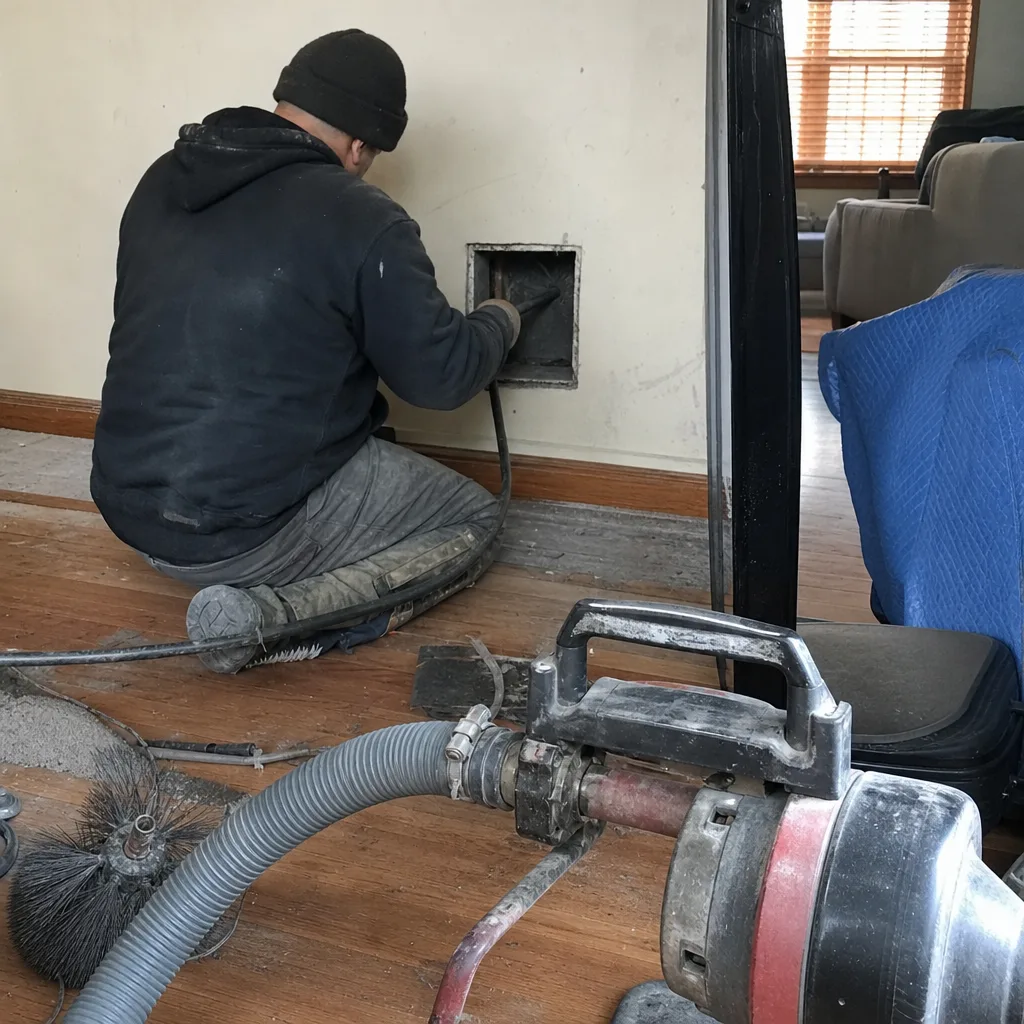
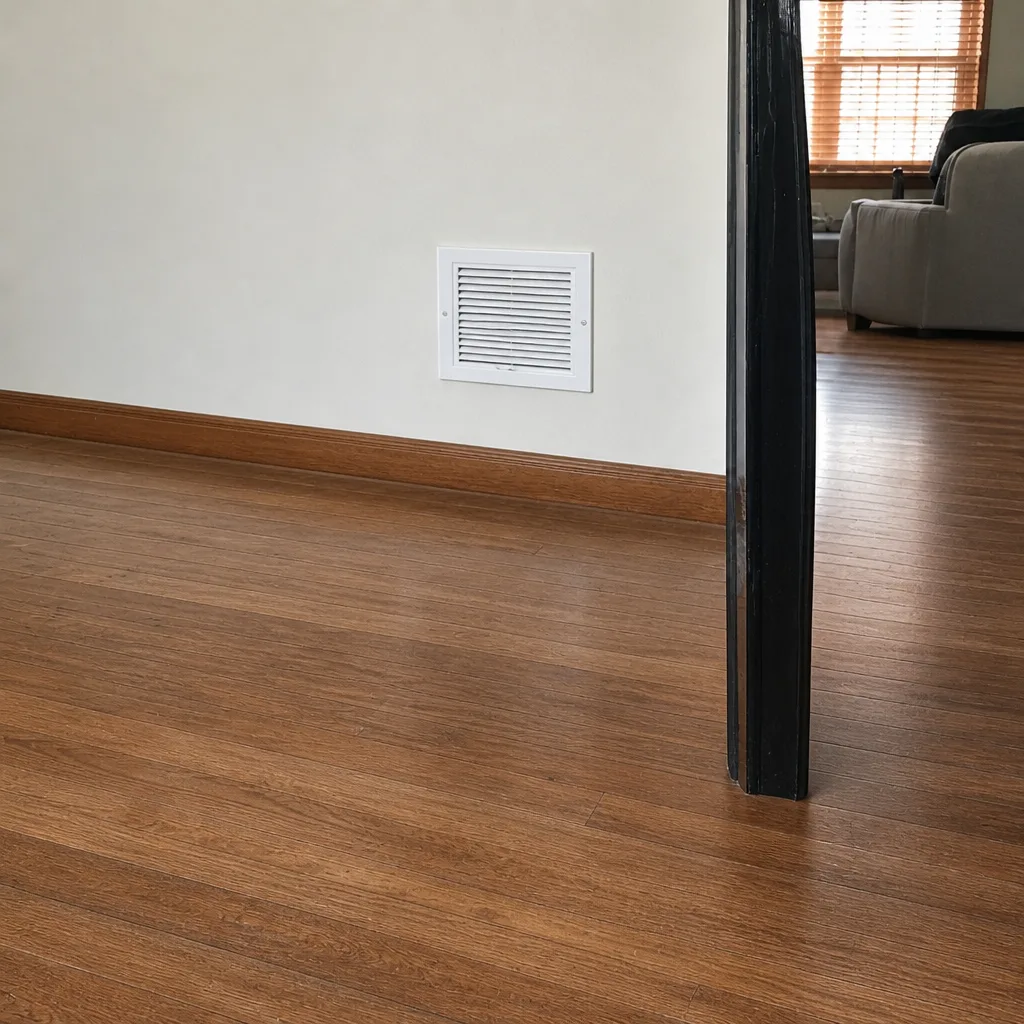
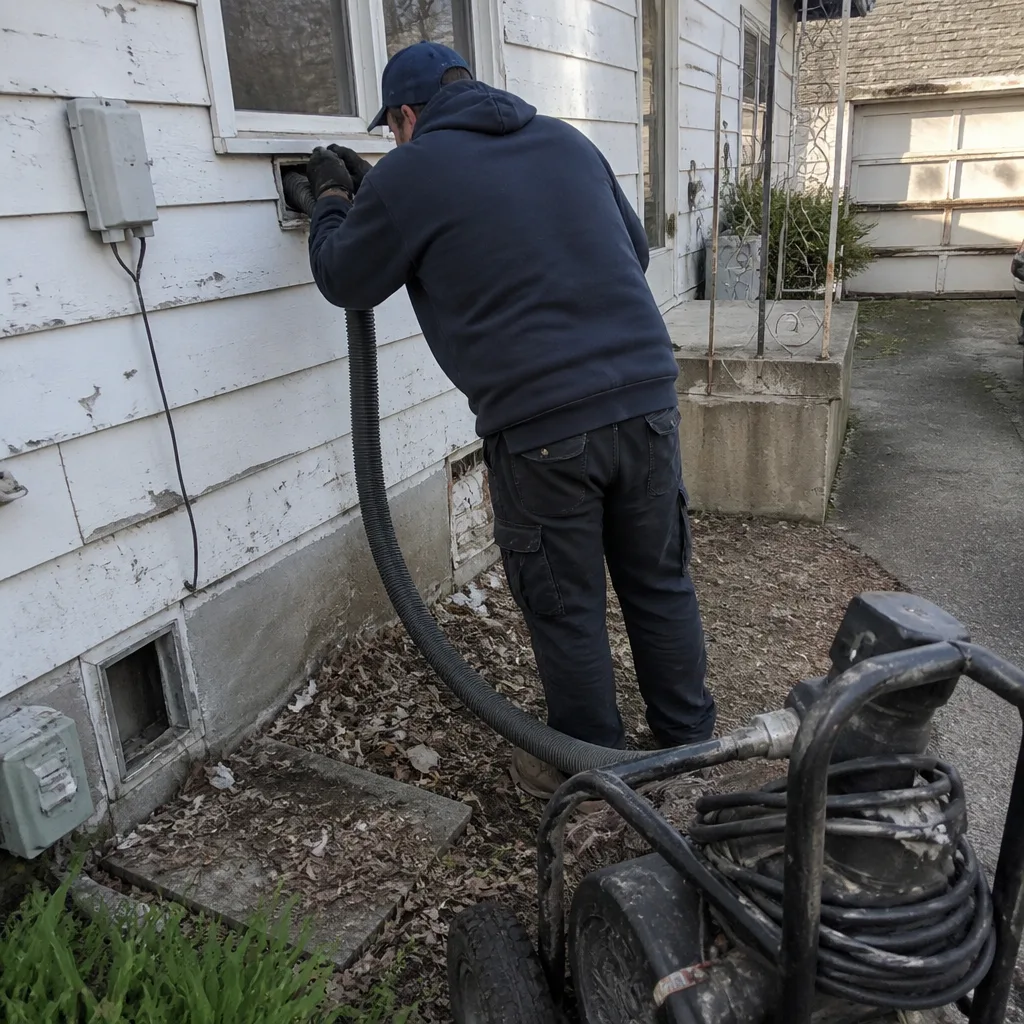
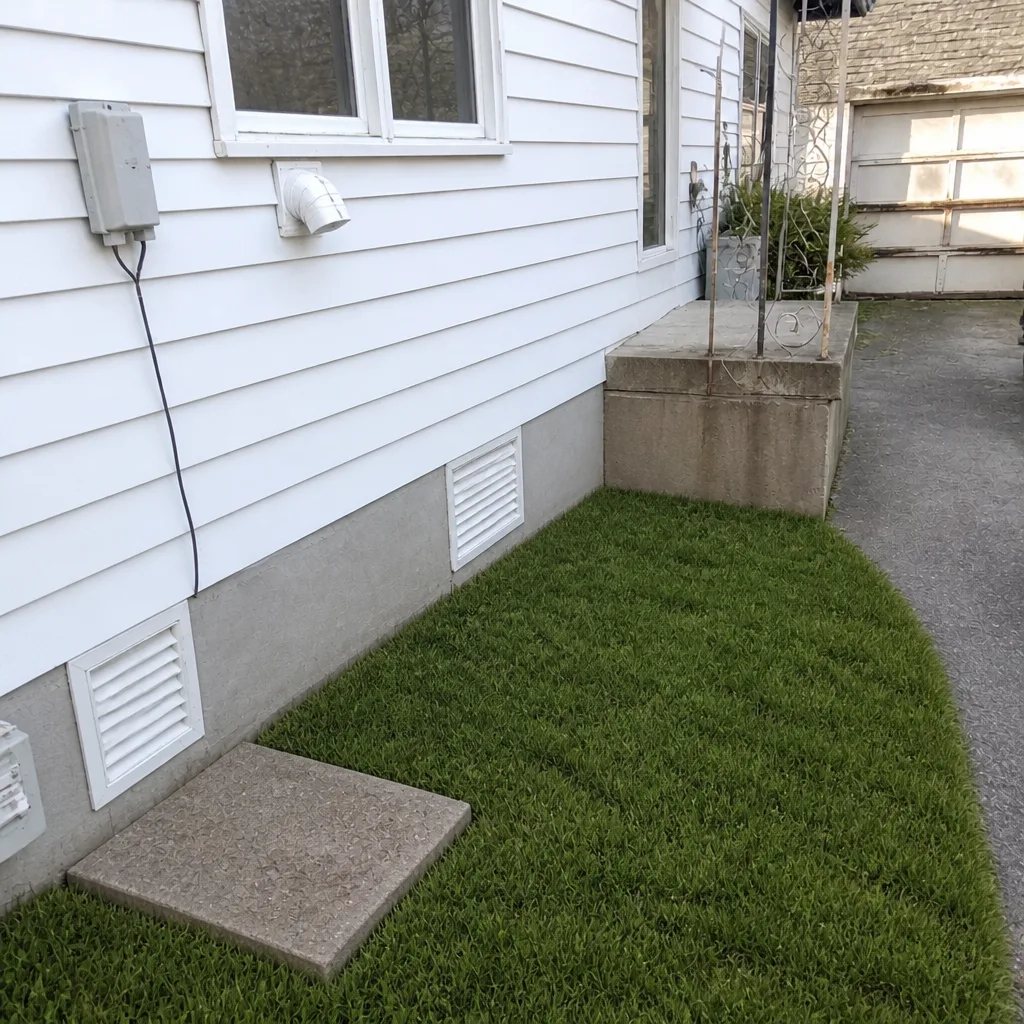
Whole-system duct and dryer vent check with before-and-after photos - you see exactly what came out of your vents
That "$99 whole-house special" is a bait ad - the real number appears once they are in your hallway, or the "clean" is a shop-vac at the register. We photograph the inside of your ducts before and after instead.
Seasonal Air Duct Cleaning Care for Holmesburg: Year-Round Homeowner’s Guide
Spring is the season most advice columns recommend for duct cleaning. In Holmesburg, that advice misses the real problem. The highest-risk contamination event in most local homes is the first furnace run of October, when dust, pollen and summer humidity residue sitting in a system that idled for months get heated and pushed through every supply register at once. That burnt-dust smell isn’t a furnace quirk. It’s the season catching up. This guide maps each quarter of the Holmesburg year to its own specific duct risk, explains when contamination shifts from passive to active, and gives you a quarter-by-quarter task calendar instead of a vague “schedule it annually” line.
Styles & brands we work with
- Whole-home duct cleaning
- Dryer vent cleaning
- Camera inspection
- Sanitizing & deodorizing
Quick Answer
The most effective approach in Holmesburg is not a single annual cleaning but two inspection points and one full cleaning tied to the season transitions. Schedule a full-system duct cleaning in early fall, before the first heat cycle, and a lighter inspection in spring after pollen season. Homes with ductwork in unconditioned attic or crawl space sections need the fall cleaning scheduled earlier, since those runs collect more debris through summer. Dryer vent cleaning belongs on its own schedule, timed before winter when dryers work hardest.
Table of Contents
- Why Seasons Matter More Than an Annual Schedule
- The Transition Points: When Contamination Goes Active
- Spring: Pollen, Humidity and the Shoulder Season
- Summer: AC Condensate and Moisture Risk
- Fall: The First-Heat Burn-Off
- Winter: Closed-House Recirculation and Lint Fire Season
- Holmesburg’s Older Housing Stock and Unconditioned Duct Runs
- Quarter-by-Quarter Task Calendar
- Common Mistakes to Avoid
- When to Call a Professional
- Frequently Asked Questions
- The Bottom Line
Why Seasons Matter More Than an Annual Schedule
A duct system sitting idle behaves differently from a duct system moving air. Dust settles when airflow stops. Humidity collects on cold surfaces when cooling runs. Heat reactivates what settled months earlier. In a Holmesburg home that runs heat for four or five months, cooling for three, and shoulder-season ventilation in between, the ducts see at least two full idle-and-restart cycles every year. That’s two moments when contamination that was inert becomes airborne inside your walls.
Generic annual-service advice treats ductwork as a static object that gets dirty at a predictable rate. That’s not how it works in a climate with real seasonal swings. The right question isn’t “how often should I clean?” It’s “when does my system accumulate the most, and when does it release it?”
For most Holmesburg homes, the answer to both questions lands in the same two windows: the weeks after pollen season ends, and the weeks before the first heat call. A cleaning placed between those windows catches the accumulation and removes it before the system pushes it back into living space. A cleaning placed in, say, July is still worthwhile, but it’s cleaning out material that has already been cycling through your home since the previous October.
Here’s the practical difference. In our experience, a home cleaned in late September shows noticeably less dust at the first November heat cycle than an identical home cleaned in April. The spring-cleaned ducts spend six months pulling in pollen, moisture and construction dust from surrounding streets before heat ever touches them.
The Transition Points: When Contamination Goes Active
Every duct system has two active states: pushing conditioned air, and sitting still. Contamination moves from passive to active during the moments when one state switches to the other. That happens twice a year, and both are handled badly by most homeowners.
The heat-to-cooling switch (roughly May to June). Weeks of settled furnace dust, warm dry air and any pollen pulled in through return grilles get picked up as soon as the blower starts running cool air. Cool air moving across the evaporator coil can carry that first wave into the house as visible dust. The reverse issue appears a few weeks later, when cooling begins producing condensate.
The cooling-to-heat switch (roughly October). This is the big one. Here’s what actually happens in the sequence:
- Warm, humid summer air runs through cool ductwork for weeks. Condensation may form in small quantities along sheet metal joints and in unconditioned sections.
- Moisture dries into a fine film. Dust settles on it as cooling cycles taper off in late September.
- Airflow stops. Everything settles. Dust, pollen, pet dander and fine debris sit undisturbed for weeks.
- The first furnace call fires. Metal ductwork warms. That settled material loses whatever adhesion it had.
- The blower pushes the whole load through supply registers at once, and the house fills with a hot, dusty smell that most people write off as “burning off the furnace.”
A fall cleaning before step four changes the outcome entirely. Instead of the system circulating months of accumulated material through the rooms, it moves clean air from the first minute. That’s why we time our recommended cleanings in Holmesburg to that window.
Spring: Pollen, Humidity and the Shoulder Season
Spring in Holmesburg is a pollen season that lasts longer than most people expect. Trees in the Northeast peak first, then grasses come in later, and by the time the season tapers off in June, the duct system has been pulling that pollen in through every return grille in the house. High-efficiency filters catch a lot of it. They don’t catch what settles in the plenum, along the trunk line, or in the run behind the kitchen return.
Spring is also the shoulder season, when many households shut heat off and don’t yet run cooling. That’s a window of relatively low airflow when ductwork is idle. It’s a good window for inspection, not usually for full cleaning.
What to do in spring:
- Replace or upgrade filters as pollen season peaks. If you’ve been running basic fiberglass filters, a pleated filter of the proper MERV rating for your system will catch more of the fine particles coming in.
- Inspect accessible ductwork for visible dust accumulation at registers and in the return path. Look at the trunk line if any of it is exposed.
- Watch for humidity creeping up in the basement or crawl. Spring rain and warmer outdoor air raise interior moisture, and duct runs in unconditioned space pick up condensation before you realize cooling hasn’t even started.
- Schedule your full cleaning for fall, not spring, if you’re going to pick one window. Spring cleaning removes last year’s accumulation; fall cleaning removes this year’s and prevents the first-heat load.
If your home already shows real signs of trouble (visible dust from registers, a crawl space smell moving through the house, or a recent renovation), spring is a fine time for a full air duct cleaning regardless of the calendar. The timing matters most for routine maintenance, not for remediation.
Summer: AC Condensate and Moisture Risk
Summer is the season when ductwork meets moisture. Every cooling cycle produces condensate, and any part of the system that runs through a warm space (attic, garage wall chase, crawl space) has a temperature difference across its surface that condensation can collect on. Persistent moisture turns fine dust into a living environment, and that’s before you get to visible mold.
What we look for in summer:
- Condensate pan and drain line. Standing water, algae growth or a slow drain line all raise humidity in the air handler zone. A clogged drain is the most common cause of summer duct moisture problems.
- Wet insulation inside duct lining. If the interior liner of ductwork or the air handler plenum stays damp, it holds dust and moisture together. This is where remediation-level extraction matters.
- Condensation at joints in unconditioned runs. Loose connectors leak cool air into a hot attic or crawl, which then condenses on cold duct surfaces. Sealing fixes it, but only if someone checks.
- Mold potential in the air handler. The evaporator coil drips into a drain pan. If that pan isn’t clean, organic growth happens in the airflow path. HVAC cleaning addresses the unit side as well as the duct side.
Holmesburg summers carry real humidity. In older houses without dedicated dehumidification, a duct system that runs through a damp basement is exposed to moisture 24 hours a day, not just during cooling cycles. This is where professional-grade negative-pressure equipment earns its place. Portable shop-vac rigs pull a bit of surface dust but leave the moisture-bound material behind, and don’t disturb it in a controlled way. Our technicians use Rotobrush contact cleaning and Nikro vacuum equipment to work the duct interior thoroughly, and Abatement Technologies negative-air gear for environments where containment-level extraction is the right approach.
If you’ve noticed a musty smell when the AC cycles on, that’s a summer signal. Call (877) 770-0234 for a free estimate before fall. A small moisture issue that gets addressed in July is not the same job as the one that’s been stewing since June.
Fall: The First-Heat Burn-Off
Fall is the single most important cleaning window in Holmesburg, and it’s the one most homeowners miss. The reasoning is straightforward: the material accumulated through spring and summer is still in the system when the first heating call fires. That’s the moment dust, pollen, pet dander and moisture-bound film all lose their seat at once and go airborne.
What a fall cleaning looks like in practice, from a homeowner’s schedule:
- Late September – get the estimate. Before you run the furnace hard, call for a free estimate. This gives you a clear scope for what the system actually needs, rather than guessing at a package.
- Early October – schedule the cleaning. Ideally before the first week of cold weather when the furnace starts doing real work.
- Cleaning day – full system coverage. Not just the supply and return ducts. Trunk line, branch runs, register boots, air handler plenum, evaporator coil area, blower compartment and drain pan. If ducts have visible leaks or damaged joints, they get sealed the same visit. We repair what we find, so a duct that fails inspection doesn’t become a separate contractor call in November.
- Post-cleaning – watch the first heat cycle. In a properly cleaned system, the familiar burn-off smell is noticeably reduced. If it’s not, that’s a signal worth investigating.
Fall is also when the furnace filter should be replaced with a fresh one before the first heat. A filter that’s been sitting since March is holding months of settled material that gets pulled into the system on the very first heating cycle.
One more fall item: if you noticed stale air all summer and blamed the AC, get the ducts checked before winter closes the house up. In our experience, stale summer air from a house with clean ducts and working AC usually comes from a return path issue, a leaky duct connection, or a filter that wasn’t doing its job. Every one of those is fixable, but they only get fixed if someone looks.
Winter: Closed-House Recirculation and Lint Fire Season
Winter is the season when ductwork does the most air-handling work under the tightest conditions. Windows stay closed. The furnace runs long cycles. Dust in the duct system is recirculated through the house for months without any outdoor air exchange to dilute it. Two clean ducts in October are the difference between comfortable January air and a winter spent wondering why the house feels stale.
Winter is also peak dryer-vent risk, and this part doesn’t get nearly enough attention. Here’s why:
- Dryer run frequency goes up. Heavier fabrics, more layers, more blankets. More loads per week means more lint produced and more lint pushed toward the vent.
- Outdoor vent caps can ice over. A flap or hood that closes tightly to keep cold out of the house can freeze shut when exterior temps drop. That blocks airflow, which slows drying and raises heat inside the vent line.
- Longer dry times hide the problem. When dryers start taking two cycles to finish a load, most people blame the dryer. That’s usually the vent, not the appliance.
Lint accumulation in a dryer vent is a documented home fire risk. NFPA has long emphasized dryer vent cleanliness as a fire-prevention measure, and the underlying mechanism is simple: lint is fuel, and a blocked vent traps heat from the dryer itself. A dedicated dryer vent cleaning before winter is one of the most straightforward safety steps a homeowner can take.
We treat dryer vent cleaning as a standalone service for exactly this reason. It’s fire-risk reduction, not an upsell tacked onto a duct job. If your dryer has been taking longer than usual this winter, that’s the signal. Call (877) 770-0234 for a free estimate. We answer 24/7.
Holmesburg’s Older Housing Stock and Unconditioned Duct Runs
Holmesburg’s housing stock includes a lot of homes built well before modern duct design standards. That matters because pre-war and mid-century homes often have duct runs that were retrofitted into spaces the original builders never intended as conditioned zones. Attic chases, crawl space runs, and ductwork tucked against exterior walls are common. Each behaves differently by season.
Attic runs. Hot in summer, cold in winter, and critically, exposed to a much wider temperature swing than interior ductwork. Summer condensation collects on cold duct exteriors, and thin or deteriorated insulation lets that moisture sit against the metal. In winter, attic runs lose heat to the cold, which means the air arriving at second-floor registers is colder than the furnace thinks it is. If your upstairs rooms never feel warm enough in January, the problem may be duct loss rather than the furnace.
Crawl space runs. Cooler and damper than interior ductwork year-round. In summer, exposed crawl space ductwork condenses. In winter, it stays cool but dry. The persistent issue is that crawl space humidity climbs through the warmer months and settles into the duct surfaces. A duct system that runs through a damp crawl will need more frequent attention than an identical system in a conditioned basement.
Chases behind original plaster walls. Many Holmesburg homes have ductwork running through interior wall chases. There is rarely easy access to inspect or clean these runs with consumer equipment. Professional-grade contact cleaning is often the only way to actually reach the surface of the duct interior.
If your home has any of these configurations and hasn’t been inspected recently, the seasonal timing matters more than the calendar year count. A late-summer or early-fall inspection gives you a clear picture before the system starts its heaviest workload. Duct repair and sealing that happens in that window is far more valuable than the same repair in July, when you’ve already paid for a full cooling season of leakage.
Quarter-by-Quarter Task Calendar
Here’s the year laid out as specific tasks, Holmesburg-timed. This is what an actual seasonal maintenance rhythm looks like, not a generic “schedule annually” reminder.
First Quarter (January – March): Winter Holding Pattern
- Watch dry times. If the dryer is running long, get the vent cleaned before it becomes a problem.
- Replace the furnace filter once during the heating season if you haven’t since fall. The first filter of winter does the heaviest lifting.
- Note smells. If registers smell stale or dry in late winter, it’s a signal for the spring inspection.
- Defer full duct cleaning unless there’s an active issue. Mid-winter cleaning removes the same material the fall cleaning should have caught, without the seasonal advantage.
Second Quarter (April – June): Spring Inspection Window
- Post-pollen filter replacement. Replace once pollen season is past, ideally before the first AC cycles.
- Inspect accessible ductwork and the air handler area for dust, moisture, or obvious connection issues.
- Check condensate pan and drain before cooling season. Clean, clear, ready.
- Schedule the fall cleaning now if you want a specific early-October date. The window fills quickly in homes that understand the seasonal pattern.
Third Quarter (July – September): Pre-Fall Prep
- Watch for summer signals – musty smells, visible dust from registers, condensation at unconditioned duct runs.
- Re-check the dryer vent mid-summer if dry times are creeping up.
- Late September: get the full-system estimate. Duct cleaning, HVAC unit cleaning, and any obvious duct repair should be scoped together, not piecemeal.
Fourth Quarter (October – December): The Big Window
- Early October: full-system cleaning. Duct cleaning, HVAC unit, and duct sealing if needed, all in the same visit.
- Replace the furnace filter the same week as the first heating cycle.
- Dedicated dryer vent cleaning before the first real cold snap.
- Post-clean verification. Watch the first heat run. If it’s still dusty, that’s the time to call back, not January.
Common Mistakes to Avoid
- Following a “clean annually” calendar regardless of season. A spring cleaning wastes the seasonal advantage. Two full idle-and-restart cycles happen every year in Holmesburg, and the fall window is the one that pays off. A spring-only schedule leaves the first-heat load untouched.
- Treating the dryer vent as an accessory to duct cleaning. It has its own seasonal pattern, its own fire risk, and its own trigger signals (long dry times, icing at the outdoor cap, lint behind the dryer). Getting the duct cleaning done and skipping the vent leaves half the risk in place.
- Ignoring unconditioned duct runs during the shoulder season. Attic and crawl space ductwork needs more attention than interior runs, not less. Spring is when the condensation begins, and a check in April heads off a summer moisture problem.
- Running the first heating cycle without a clean system. The burn-off smell that appears in October is the contamination you should have removed in September. Don’t accept it as normal furnace behavior.
- Replacing the furnace when duct loss is the real problem. In older Holmesburg homes, upstairs rooms that never feel warm enough are often an attic-run duct loss issue. Duct sealing is a same-visit capability here, not a second contractor call.
- Choosing a low-ball quote without asking what’s included. A quote that only covers the supply registers isn’t a full-system cleaning. Verify that the scope covers the air handler, the trunk line, the return path, and the coil area, not just what’s visible through vent covers.
- Skipping the air handler when cleaning the ducts. The HVAC unit is in the airflow path. Cleaning the ducts without cleaning the air handler area leaves a contamination source inside the system that gets carried through the whole house on the next blower cycle.
When to Call a Professional
Call a professional when you notice any of these signs, regardless of season. Visible dust or debris blowing out of supply registers when the system starts. A musty or dusty smell every time the heat or AC cycles on. Persistent allergy symptoms that follow the HVAC schedule. A dryer that takes noticeably longer than it used to. Visible condensation, corrosion or biological growth on duct surfaces you can reach. Unexplained efficiency drops, where rooms that used to cool well now run warm. A recent renovation that produced heavy dust. Or a home you’ve moved into recently where the previous owner’s cleaning schedule is unknown.
If the signs are subtle, a free estimate is a low-risk way to get a real scope. Air Duct Cleaning Holmesburg offers free estimates in Holmesburg. Call (877) 770-0234. We answer 24/7. Fast dispatch from 7am to 7pm, Sunday through Friday.
Frequently Asked Questions
Duct cleaning in Holmesburg is priced per job by written estimate, not by the vent or the hour, because the amount of work depends on system size, accessibility and the condition of the ductwork rather than a fixed formula. A single-story home with straightforward accessible ductwork is a smaller job than a two-story with unconditioned attic runs and visible damage. The estimate is free and it sets the final price before any work starts. Call (877) 770-0234 for an exact quote.
Fall is usually the better choice in Holmesburg because it catches the accumulated pollen and summer dust before the first heating cycle pushes it through the house. Spring cleaning is worthwhile if you’ve had a renovation, moved into a home with unknown history, or noticed active signs of trouble. If you’re doing routine maintenance and want one cleaning per year, early October is the window that does the most work.
That smell is material accumulated in the duct system through spring and summer, heated by the first furnace run and pushed through the supply registers. It’s not a normal furnace characteristic, and it’s not something every system does. Ducts that were cleaned before the first heat cycle typically don’t produce the same smell. If you’re getting it every October, that’s a good sign the fall window is being missed. Call (877) 770-0234 for a free estimate.
The seasonal swing matters more than the annual total. Holmesburg homes run heat and cooling for a combined eight or nine months, which means the duct system sits idle, then restarts, then shuts down again in a repeating cycle. Each transition is when accumulated contamination becomes airborne. Humidity through the summer months, and cold winters that keep windows shut, both raise the concentration of what’s circulating through the house when the system is running. Timing cleanings to the transitions is what actually reduces Interior air quality issues.
Once a year is a common maintenance interval for most households, and more frequently for larger families or anyone running high dryer volume. In Holmesburg specifically, the practical trigger is the pre-winter window. Dryer loads get heavier, outdoor vent caps can ice over, and slower dry times signal reduced airflow through the vent line. That reduced airflow is what turns lint accumulation into a fire risk. Dedicated dryer vent cleaning before the first cold snap is the safest approach. Call (877) 770-0234 to get it on the schedule.
Cheap quotes usually narrow the scope. They often cover only what’s visible through vent covers, skip the air handler, skip the return path, and use consumer-grade equipment that can’t reach the surface of the duct interior. That leaves contamination in place under a thin layer of disturbed dust. Our approach uses Rotobrush contact cleaning and Nikro professional vacuum equipment on the full airflow path, with Abatement Technologies negative-pressure gear for jobs that need containment-level extraction. Free estimate, one flat price per system, written before work starts. Call (877) 770-0234. We answer 24/7. Fast dispatch from 7am to 7pm, Sunday through Friday.
The Bottom Line
Holmesburg homes don’t need duct cleaning on a generic annual schedule. They need it aligned to the seasons. The fall first-heat window is where most of the payoff is, because it catches accumulated contamination before it enters the house. Spring is for inspection, filter changes and moisture checks. Summer is for watching condensation, not for full cleaning. Winter is for closed-house air quality and dryer vent safety. The energy efficiency and air quality gains come from doing the right work in the right quarter, not from doing more of the wrong work year-round.
Our technicians have up to 12 years of experience mapping these seasonal signals in homes across Holmesburg and the surrounding region. If you’re ready for a seasonal assessment, Air Duct Cleaning Holmesburg offers free estimates. Call (877) 770-0234. We answer 24/7. Fast dispatch from 7am to 7pm, Sunday through Friday.
Written by the team at Air Duct Cleaning Holmesburg.
See the difference
 Before
 After
 Before
 After
 Before
 After