
Last updated November 25, 2026
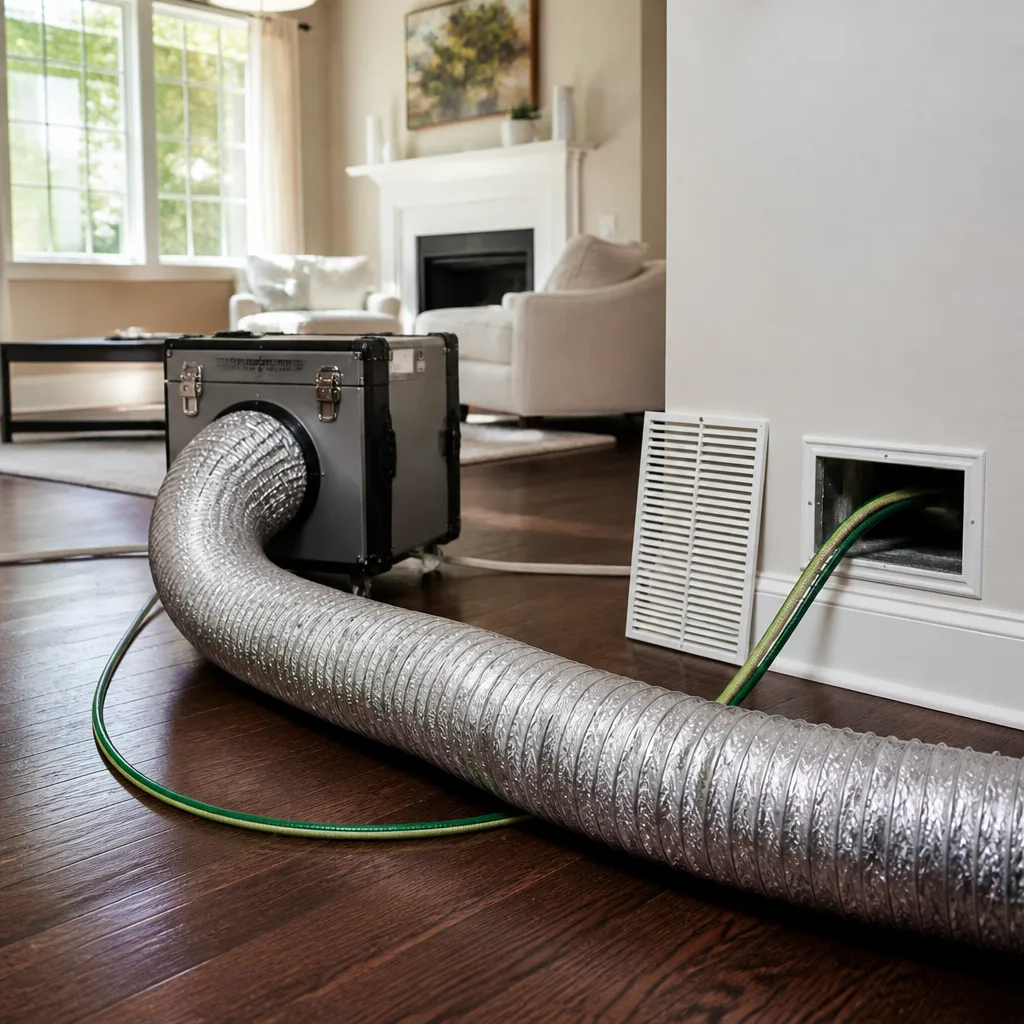 Whole-home duct cleaning
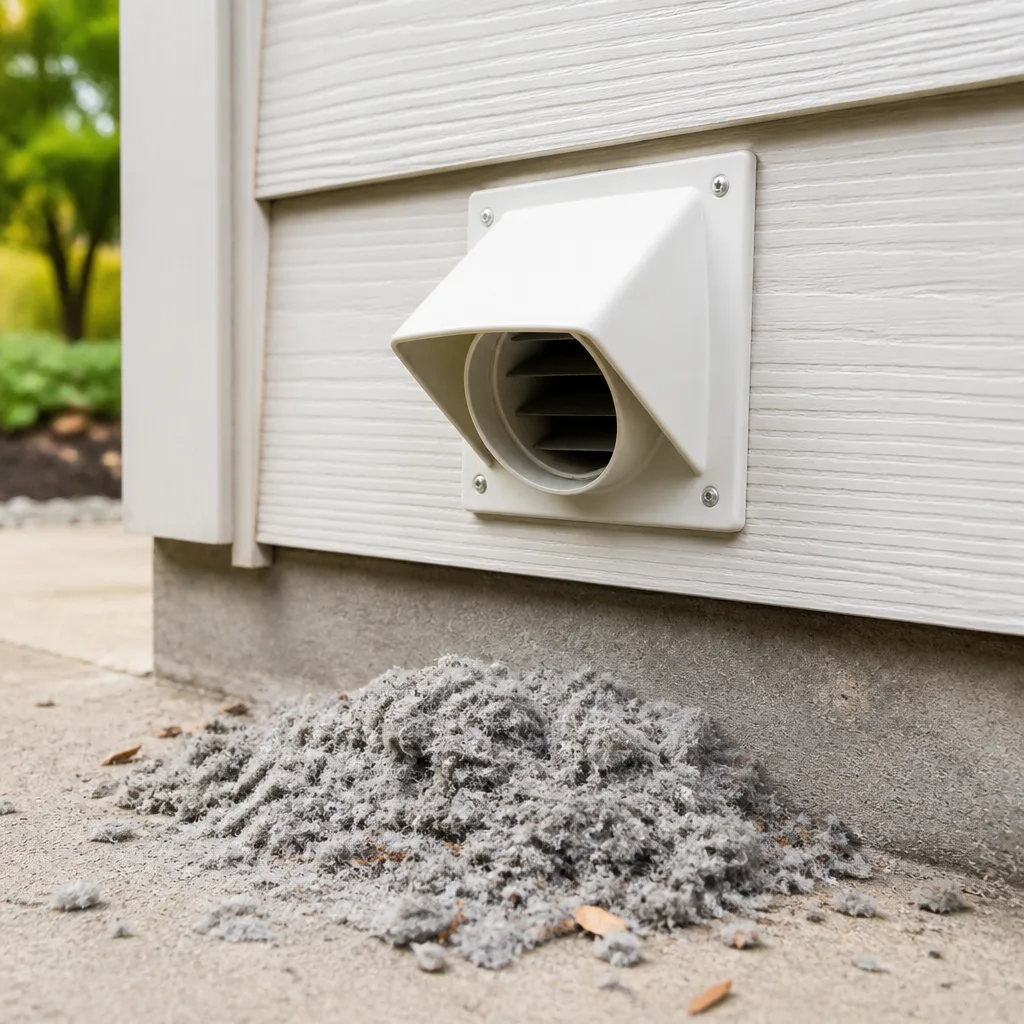 Dryer vent cleaning
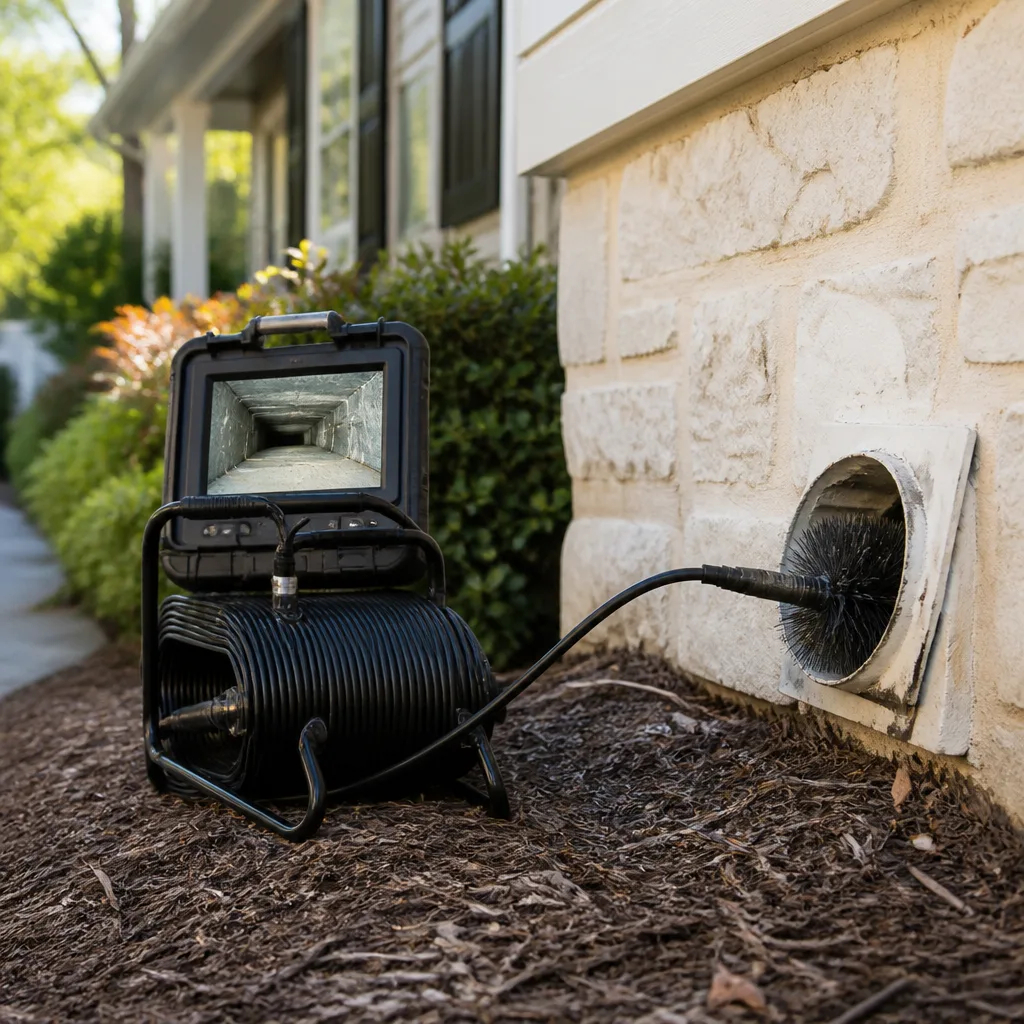 Camera inspection
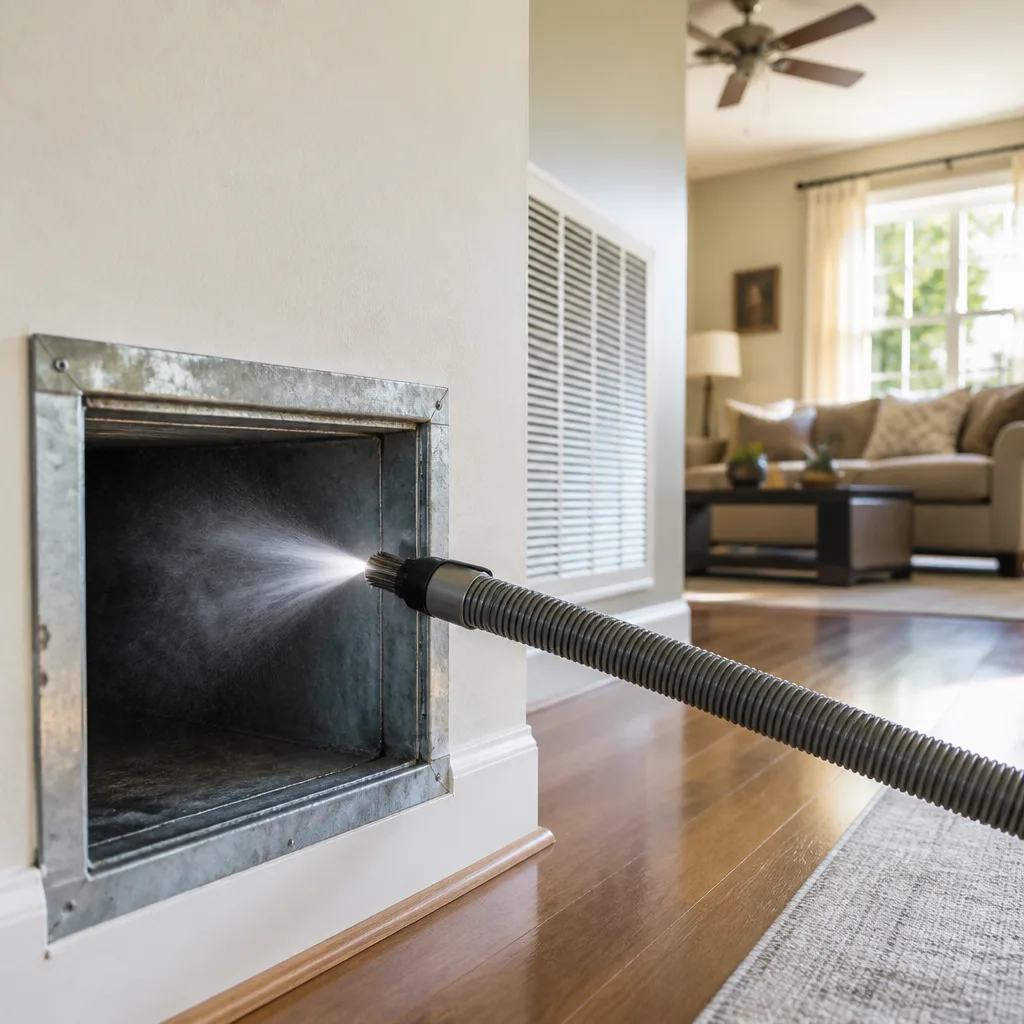 Sanitizing & deodorizing
Whole-system duct and dryer vent check with before-and-after photos - you see exactly what came out of your vents
That "$99 whole-house special" is a bait ad - the real number appears once they are in your hallway, or the "clean" is a shop-vac at the register. We photograph the inside of your ducts before and after instead.
Air Duct Cleaning Warning Signs: A Holmesburg Homeowner’s Reference Guide
Most homeowners picture dirty ducts as a dust problem. A visible gray film on the register grille, a puff of debris when the heat kicks on. The warning signs that actually matter in Holmesburg homes are quieter than that. They show up as a bedroom that never warms up the way the rest of the house does, a winter of sneezing that clears the moment someone leaves the house, or a dryer that suddenly needs two cycles for a load it used to finish in one. If one room in your house is always colder in winter or stuffier in summer no matter how you adjust the vents, that’s rarely a thermostat problem. It’s a ductwork problem, and it has a physical cause you can locate. This guide walks through the signs worth acting on, which ones call for cleaning, which ones call for inspection first, and how the older housing stock around Holmesburg changes the picture.
Quick Answer
The main warning signs of a duct problem are uneven room temperatures, weak airflow at some registers and strong at others, musty or stale odors when the system runs, visible debris or dust streaks at the vents, allergy symptoms that ease when you leave the house, rising energy bills with no other explanation, and a dryer that takes longer than it used to. Contamination signs point toward cleaning. Airflow and structural signs point toward inspection before any cleaning happens, because a disconnected or crushed duct won’t be fixed by running a brush through it.
Styles & brands we work with
- Whole-home duct cleaning
- Dryer vent cleaning
- Camera inspection
- Sanitizing & deodorizing
Table of Contents
- Contamination Warning Signs: What Dirty Ducts Actually Look Like
- Airflow Warning Signs: When the Problem Is Balance, Not Dirt
- How Older Holmesburg Homes Change the Warning Signs
- Dryer Vent Warning Signs: A Separate Fire Risk
- Cleaning Versus Inspection: Telling the Two Apart
- The Post-Renovation Warning Sign Set
- What You Can Check Yourself Before Calling
- What HVAC Cleaning Adds to the Picture
Contamination Warning Signs: What Dirty Ducts Actually Look Like
Contamination is the category most people already know about, and it’s the one where cleaning is usually the right first move. The problem is that homeowners look for the wrong evidence. Heavy dust on a register doesn’t tell you much on its own. Registers get dusty in any home. What points to duct contamination is a pattern that repeats and gets worse.
Here’s what we treat as a genuine contamination signal:
- Odors that appear only when the system runs. A musty or stale smell that shows up when the blower starts and fades when it stops usually means the air is passing something it shouldn’t be passing. Odor is one of the clearest signals because it’s tied to the moment of airflow.
- Visible debris beyond ordinary dust. Dark streaks spreading from the register into the surrounding drywall, or debris settling on furniture in a specific room rather than throughout the house.
- Allergy symptoms that cluster by location. If one family member reacts in one room and feels fine elsewhere in the house, that’s worth noting. Symptom patterns that shift with the seasons and ease when you’re away from home are a reason to look at the air path.
- Dust returning within days of cleaning. Wiping a surface down and finding it dusty again in a few days suggests dust is being pushed through the system, not settling from the room.
- Recent pest activity or moisture. Rodent droppings, nesting material near a register, or any sign of water getting into ductwork moves this from a comfort issue to a job for professional equipment, not a shop vacuum.
Contamination signs deserve a close look at the whole air pathway, not just the ducts. The blower compartment, the evaporator coil, and the supply trunk all feed the same air into your rooms, which is why HVAC cleaning often belongs in the same conversation. Cleaning the ducts while leaving a fouled coil in place just moves the problem downstream. If the ducts come out clean and the air still smells, the source was never in the ducts to begin with.
Airflow Warning Signs: When the Problem Is Balance, Not Dirt
This is the category that sends most people looking in the wrong direction. Airflow symptoms have less to do with how dirty the system is and more to do with whether the air is getting where it’s supposed to go. A duct system that’s clean but leaking at the joints, crushed behind drywall, or disconnected in a basement will produce the exact same complaints as a dirty one. Sometimes worse.
Watch for these:
- One room that never matches the rest. A room that runs colder in winter and stuffier in summer no matter how far you open the register is the classic sign of a supply problem. The air is being lost or restricted somewhere between the unit and the room.
- Weak output at the registers farthest from the unit. Long runs lose pressure. If the far end of the house gets a fraction of the airflow the near end gets, that’s a design or leak issue, not a dirt issue.
- Rising energy bills without a usage change. A system working harder to push air through leaks and restrictions runs longer. That shows up on the bill before it shows up anywhere else.
- Whistling or rushing sounds at certain vents. Noise at a register often means the pressure behind it is too high because the air can’t get out anywhere else.
- Rooms that improved after a filter change, then went back. If a clean filter gives you a week of relief and then the problem returns, a restriction in the duct runs is likely.
We’ve seen enough Holmesburg homes to know this pattern well: the thermostat gets replaced, then the filter gets changed every month in frustration, and the room stays cold. The fix for that is usually duct repair and sealing work rather than cleaning. It’s also the reason a proper inspection should come before any cleaning when the complaint is airflow rather than odor or debris. Repairing what we find on the same visit is a big part of why we keep duct repair and sealing in our service scope instead of handing it off.
How Older Holmesburg Homes Change the Warning Signs
Holmesburg’s housing stock gives these warning signs a specific character. A lot of the neighborhood’s rowhouses and older single-family homes were built in an era when duct design was simpler and materials were different. When you’re reading warning signs in a home of that vintage, three things come up again and again.
Galvanized ductwork degradation. Sheet-metal duct runs from decades past can develop pinholes, rust-through at the seams, and loose joints that leak warm air into a wall cavity or a basement ceiling. That shows up as a room that never quite gets warm, and as a heating bill that climbs in small increments over a couple of seasons. It’s an airflow and efficiency problem, not a contamination problem, and cleaning won’t close the leak. Sealing and, where needed, replacement does.
Asbestos-wrapped trunk lines in older construction. In some pre-1980 homes, trunk lines and duct joints were wrapped in materials that may contain asbestos. We don’t touch that material, and neither should anyone else who isn’t trained and certified for it. If you see a worn, fibrous, gray-white wrap around a duct, don’t disturb it. Stop, note where it is, and have it identified by a qualified professional before any duct work begins. This is one of the most important inspection-first cases there is, and it’s a reason we ask questions about the age of the house before we schedule a cleaning.
Disconnected flex runs in finished basements. A lot of Holmesburg basements have been finished out over the years, often with the ductwork left in place above the new ceiling. If a flexible run was knocked loose during that work, you’ve got a supply line dumping conditioned air into the joist cavity and never reaching the room it was meant for. The warning sign is a cold room above a finished basement, or a basement that stays warm in winter while the room above it doesn’t.
These patterns don’t show up on a cleaning checklist. They show up when you inspect the air path with the age of the home in mind. That’s why the first step for older Holmesburg homes is often a look before a clean, and it’s why we bring containment-level equipment when an older home needs more than a surface pass.
Dryer Vent Warning Signs: A Separate Fire Risk
Dryer vent problems are not the same as duct problems, and mixing the two is one of the ways homeowners miss the more serious issue. A dryer vent carries lint and moisture out of the house. When lint builds up in the run, it becomes fuel, and a clogged vent is a documented fire hazard. Lint is highly flammable, and the National Fire Protection Association has long tracked dryer vent fires as a leading category of home appliance fire. That’s a reason to treat dryer vent signs on their own timeline, not as a footnote to duct cleaning.
Watch for these:
- Dry cycles that keep getting longer. A load that used to finish in one cycle now needs two, and then three. This is the single most common sign of a clogged vent and it tends to get worse gradually enough that people stop noticing.
- The laundry area feels hot or humid. If the room around the dryer is warm and muggy when the dryer runs, moisture isn’t making it outside. That’s a vent problem.
- Lint collecting behind the dryer. Lint at the trap is normal. Lint accumulating behind the appliance, or lint visible along the vent run, means it’s escaping before it reaches the end of the line, and that’s where the fire risk lives.
- The exterior vent flap doesn’t move. If the flap at the outside wall barely lifts or doesn’t lift at all when the dryer runs, the run is restricted. Look from outdoors at the vent hood, not from inside.
- A burning smell during a dry cycle. Stop using the dryer and get the vent evaluated. This one is not a wait-and-see sign.
Dryer vent cleaning is available as a standalone service, and that’s intentional. A lot of duct cleaners skip it or treat it as a quick upsell. We schedule it on its own because the risk it addresses is different from dust, and because a run that clears properly is a safety improvement regardless of what’s in the ducts. If you’ve been meaning to have it done, dryer vent cleaning is worth putting on the same list as the smoke alarm check.
Cleaning Versus Inspection: Telling the Two Apart
Not every warning sign means “clean the ducts.” Treating all of them the same way leads to a cleaning that doesn’t fix the complaint and a homeowner who feels they paid for nothing. Sorting the signs by what they’re telling you is the whole trick.
Here’s how we sort them, in order, when a Holmesburg customer calls:
- Start with the complaint, not the ducts. Is the homeowner bothered by odors and dust, or by temperature and airflow? These point to different work.
- Ask about house age and any recent renovation. Pre-1980 construction, finished basements, and any renovation in the last year all change what we look for first.
- Inspect the air path before ever quoting a cleaning. Look at the registers, the return, the trunk lines, the basement runs, and the HVAC unit. Leaks and disconnected runs are visible here.
- Separate contamination from structural issues. Odor and debris point to cleaning. Leaks, crushing, disconnects, and degraded metal point to repair, and sometimes replacement.
- Do the right work in the right order. If the ducts are leaking, sealing first is often the correct sequence. If they’re contaminated, clean first. If the house has suspicious wrapping materials, get them identified before touching anything.
- Confirm the exact scope, then quote it in writing. Whether you’re scheduling cleaning, repair, or both, you should know before anyone starts what’s included and why.
That sequence matters more than the equipment, but the equipment is where corners get cut. Surface passes with portable vacuums pull dust off what they can reach and push the rest around. Contact cleaning with tools like the Rotobrush system, paired with a Nikro professional vacuum and, where the situation calls for containment, Abatement Technologies negative-air equipment, is what actually extracts debris rather than redistributing it. It’s also what lets you see the difference afterward.
The Post-Renovation Warning Sign Set
A renovation produces one of the most underrated duct problems there is. Construction dust is finer and more persistent than household dust. Drywall dust, sawdust from framing and trim work, and airborne insulation fibers all settle into an open duct system during the months the house is under construction. Then the job finishes, the system starts running again, and that fine dust gets recirculated through every room for months. The house smells like it’s still under construction long after the last contractor has left.
Watch for these signs in the year after a renovation:
- A persistent dusty smell in the house even after repeated deep cleaning. Fine drywall dust keeps coming back because it’s in the ducts, not on the floor.
- Surfaces near registers getting coated quickly. A visible film on a wall or furniture piece near a vent within a few days of cleaning suggests dust is actively being pushed out.
- Respiratory irritation that started during the renovation and never stopped. If coughing, sneezing, or throat irritation started when demolition began and hasn’t eased, the ducts are a reasonable thing to check.
- Reduced airflow after finishing work. Dust that settles into a return plenum or clogs a filter that was reused through the renovation restricts the whole system.
- New construction materials in a room with a supply register. New flooring, paint, and cabinetry all off-gas. A freshly renovated room plus a running system sends those compounds back through the house. Cleaning the ducts and considering an air quality pass is a reasonable response.
Two things matter for post-renovation cleaning. First, do it before furnishing the rooms, if you can, because fine dust will coat every fabric surface it can reach. Second, do it with a system that holds the dust under negative pressure so the cleaning doesn’t put the same fine particles back into the air you’re trying to clear. That’s where professional-grade equipment matters, and it’s why we use the tools we use. A full-system look that covers the air duct cleaning scope as well as the HVAC unit is usually what a renovated home actually needs. If air quality is part of the concern, our work with Honeywell and Aprilaire air-quality product lines lets us look at filtration and humidity alongside the cleaning.
What You Can Check Yourself Before Calling
You don’t need to be an HVAC technician to gather useful information before you schedule a visit. A few checks take ten minutes, and they help whoever you hire identify the problem faster and quote the right job.
- Run the system and walk to every register. Hold your hand at each one. Note which rooms have strong airflow and which feel weak. Write down which room is coldest or stuffiest.
- Look at the register grilles with a flashlight. Note dark streaks, debris, and anything that looks wet. Don’t reach inside.
- Check the filter. A filter that’s dark or clogged after a month is telling you something. Note what kind it is and when you last changed it.
- Look at the exterior dryer vent flap while the dryer runs. If it doesn’t lift, that’s a sign worth mentioning on the call.
- Note any suspicious duct wrapping. Fibrous or gray-white wrap around a duct is a don’t-touch item. Note where it is and describe it when you call.
- Bring out your recent utility bills. A couple of months of history helps establish whether the complaint is new or gradual.
One thing not to do: don’t open the HVAC unit’s electrical panel or attempt to clean the blower compartment or coil yourself. Electrical components and refrigerant lines inside the unit are dangerous to work around, and moisture or pressure mistakes can cause real damage. Cleaning and inspection of the unit is a trained-technician job, and the safety part of that is not just marketing.
What HVAC Cleaning Adds to the Picture
The duct system isn’t the only place warning signs show up. The HVAC unit itself, the blower compartment, the evaporator coil, and the cabinet the whole thing sits in are part of the same air path. A fouled coil and a dusty blower push contamination downstream into the ducts and reduce airflow at the same time, which produces a mixed set of symptoms that look like both a contamination problem and an airflow problem.
Signs worth noting on the unit side:
- Air that smells musty right at the unit. Stale odor at the supply side of the HVAC cabinet points to the unit, not just the ducts.
- A visible layer of dust or biological growth on the coil. You can see this with the access panel removed by a professional; don’t open it yourself.
- Weak airflow across every register at once. When the whole house underperforms, the restriction is usually upstream of the ducts, at the unit or the filter.
- Rattles, clunks, or unusual noise from the cabinet on startup. That’s a mechanical or airflow problem that cleaning won’t fix, and it’s worth flagging.
In homes where the ducts are cleaned but the HVAC unit is left alone, the problem often returns within a season. Our view is that in a Holmesburg house, the whole air path is one system, and treating it that way means cleaning the unit and the ducts in the same scope. That’s also where air quality sanitizing earns its place, and why we keep Guardsman-brand products on hand for the homeowners who want that step included.
Common Mistakes to Avoid
- Treating every warning sign as a cleaning job. Uneven room temperatures, disconnected flex runs, and older galvanized duct leaks aren’t fixed by cleaning. If someone quotes a cleaning before inspecting the cause, keep asking questions.
- Confusing dryer vent signs with duct signs. Long dry cycles and a hot laundry room belong in the dryer vent column. Scheduling duct cleaning and skipping the dryer vent is a common and avoidable mistake in Holmesburg homes with finished basements and long dryer runs.
- Opening the HVAC unit or touching suspicious duct wrap. Electrical components inside the unit and pre-1980 fibrous duct wrap are both stop-sign items. Ask a trained professional to identify and handle them.
- Assuming a cheap quote means the same work. A quote that doesn’t say what equipment is used, whether the HVAC unit is included, and whether repair is part of the scope is a quote you can’t compare to anything.
- Waiting for visible dust before scheduling. The signs that matter most are usually performance and comfort signs, not dust. If a room hasn’t been right for two winters, that’s a longer wait than it needs to be.
- Skipping the post-renovation cleaning. Fine construction dust in the ducts doesn’t settle on its own. Cleaning after the work is finished is more effective than cleaning months later after the rooms are furnished.
- Ignoring the utility bill trend. A gradual rise over a couple of seasons is one of the easiest signs to miss and one of the most useful to have when you call.
See the difference
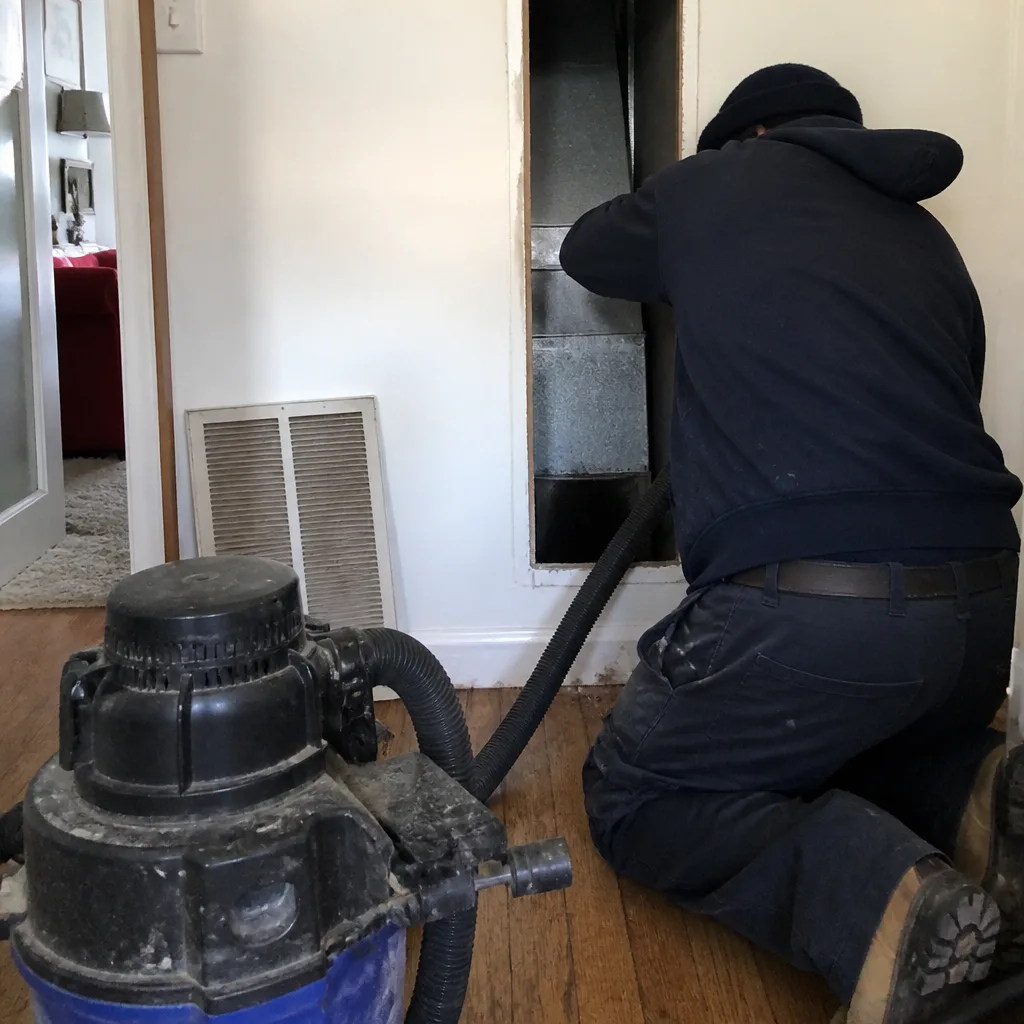 Before
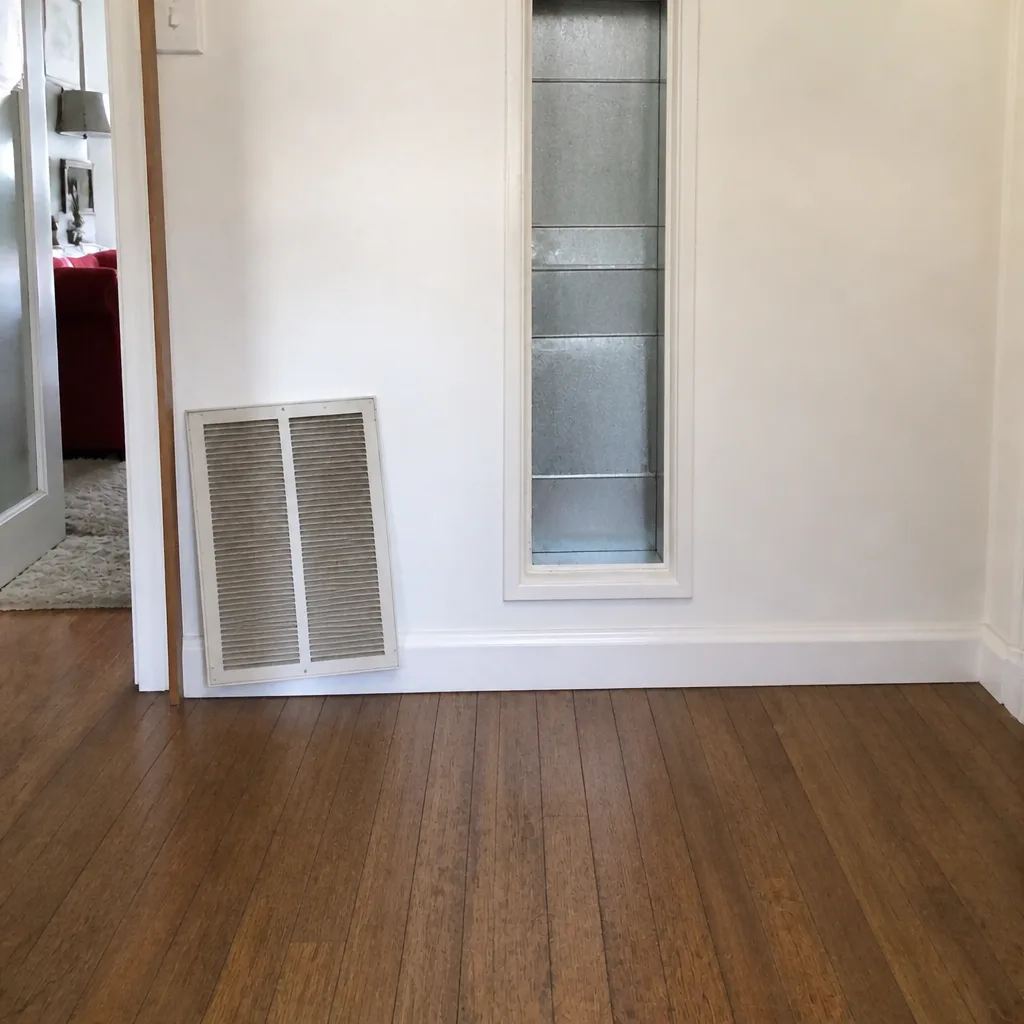 After
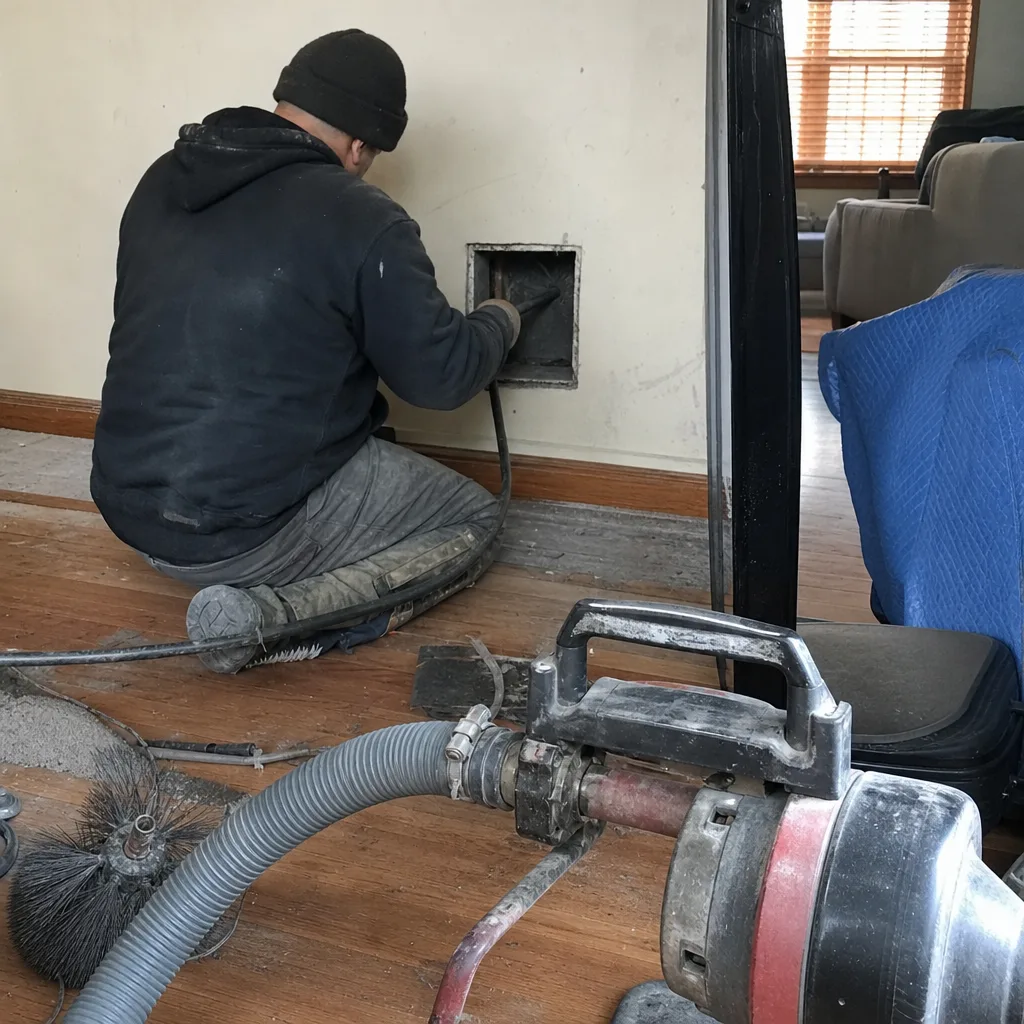 Before
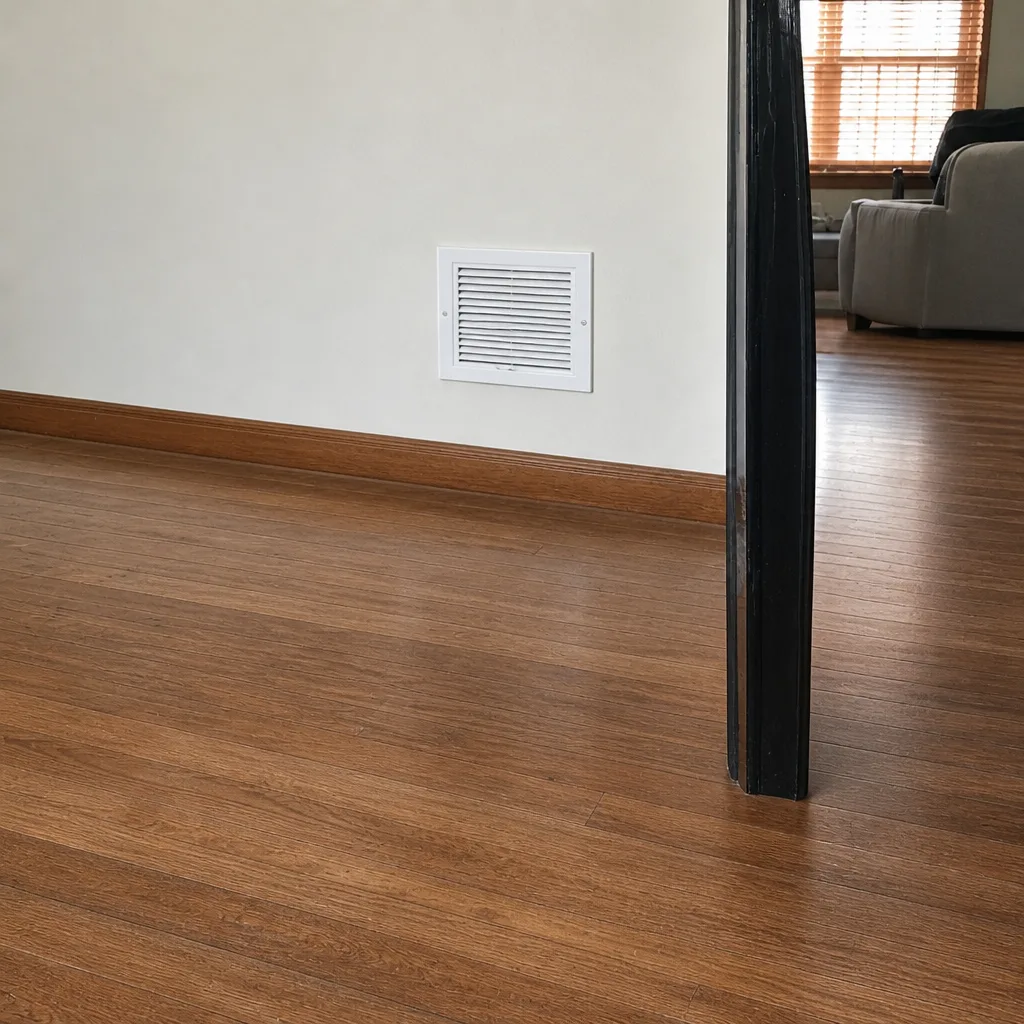 After
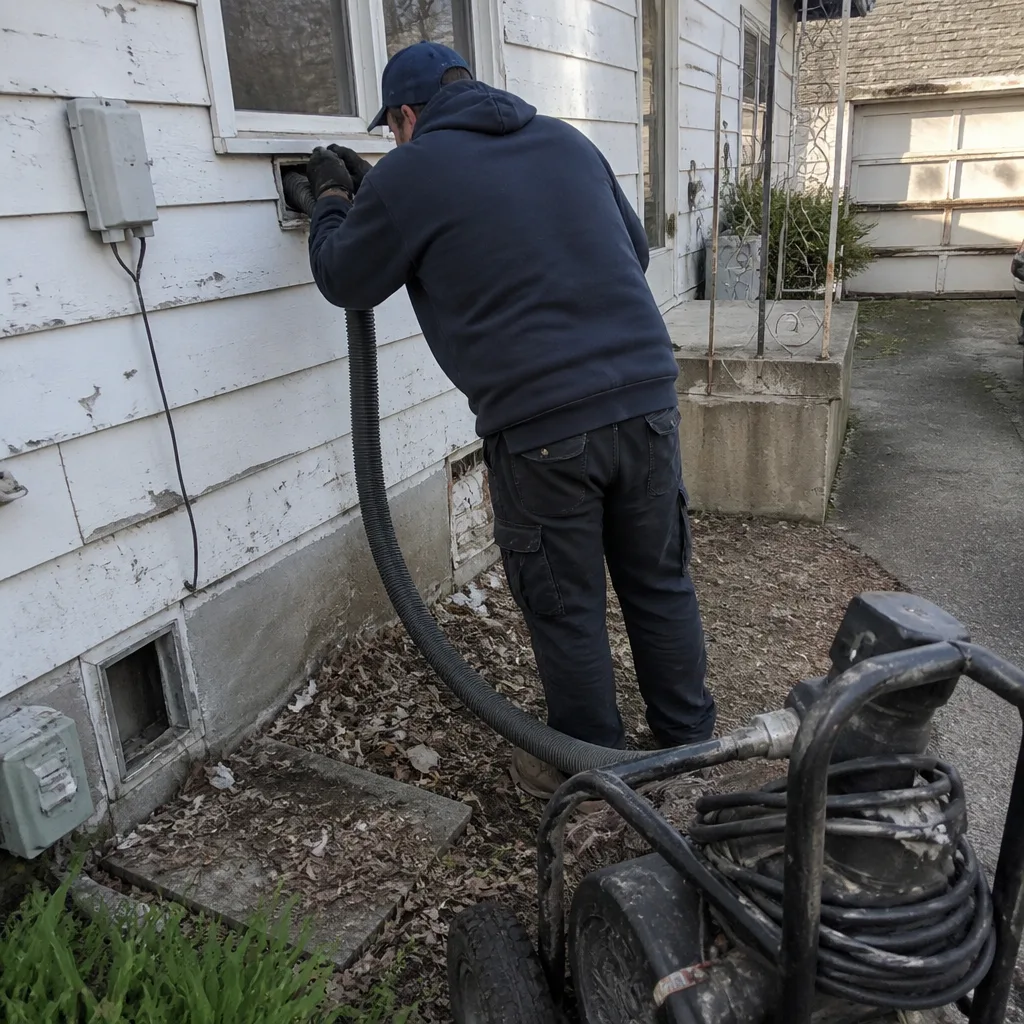 Before
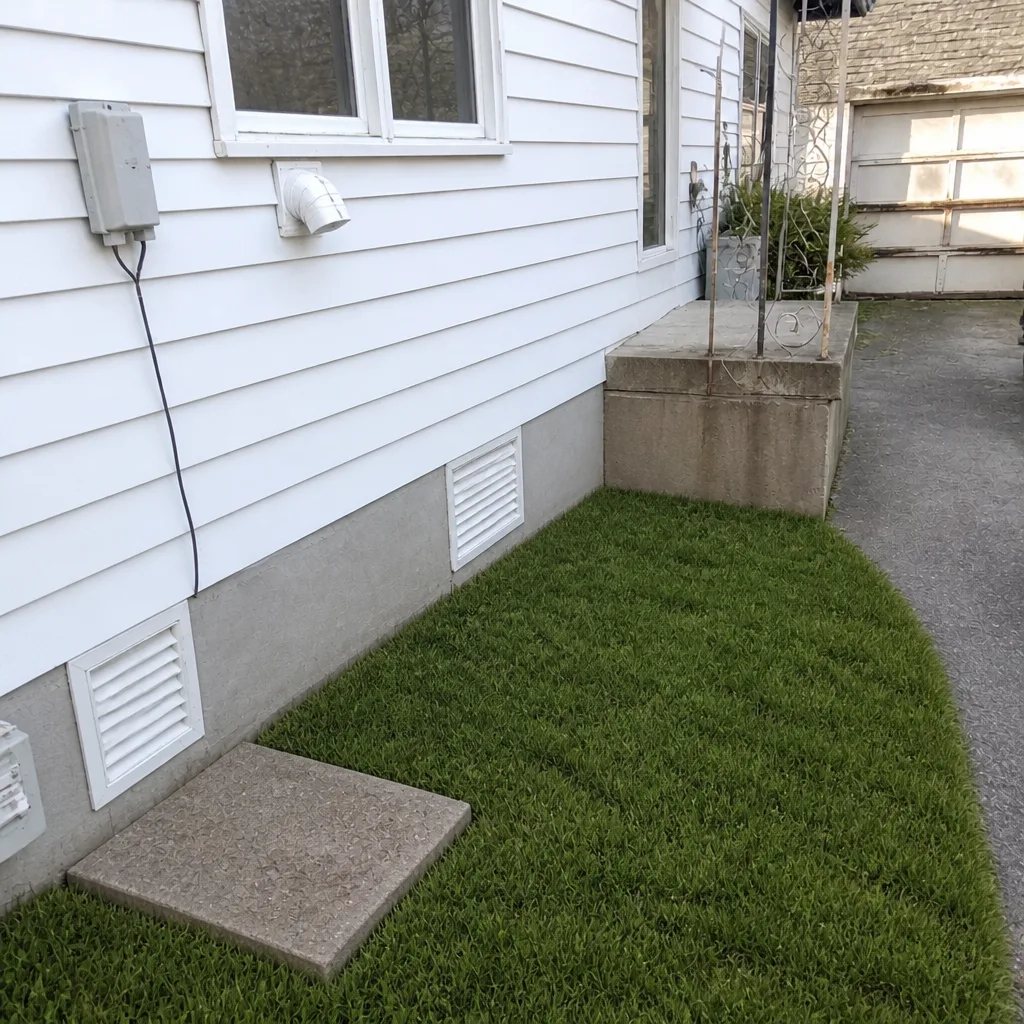 After
When to Call a Professional
Call a trained professional when the warning sign involves the HVAC unit, the electrical components, suspicious duct wrapping, or airflow that doesn’t respond to register adjustments. Call when you smell something you can’t explain when the system runs, when one room consistently misses the rest of the house, when the dryer takes longer than it used to, or when construction dust has been recirculating since a renovation. If you live in an older Holmesburg home and you’re not sure which category your sign falls into, that’s a good reason to call as well. Our technicians have up to 12 years of experience, we work with professional-grade equipment rather than portable consumer vacuums, and we don’t charge for the estimate. Air Duct Cleaning Holmesburg offers free estimates in Holmesburg. Call (877) 770-0234 and we’ll help you sort out whether you need cleaning, repair, or an inspection first.
Frequently Asked Questions
Pricing is set per job by the written estimate, because the scope of work varies more than most homeowners expect. A whole-home duct cleaning on a typical Holmesburg rowhouse is a different job than a duct cleaning plus HVAC cleaning plus a disconnected run repair, and the estimate reflects exactly what your home needs. The estimate is free and the written scope sets the final price. Call (877) 770-0234 for an exact quote.
The first sign worth acting on is a room that never matches the rest of the house no matter how you adjust the vents. That single complaint covers both contamination and airflow causes, and it’s the one that leads to the most accurate diagnosis. A close second is a musty smell that only appears when the system runs.
Yes, and the difference is significant. Galvanized ductwork that develops pinholes and leaks, disconnected flex runs in finished basements, and pre-1980 construction with wrapped trunk lines all produce signs that a newer home won’t. If your home was built before 1980 and you notice worn or fibrous wrapping around a duct, don’t touch it and have it identified by a qualified professional before any work starts.
Ask for before-and-after photos of your own ducts, not stock images. Ask which equipment is being used and what’s included in the scope, and get it in writing. A crew using contact cleaning with Rotobrush tools and a Nikro professional vacuum under negative pressure can show the difference in the ducts; a crew with a portable shop vacuum can’t.
Cheap quotes usually cover less: a surface pass with consumer-grade equipment, no HVAC unit cleaning, no repair, and often a single price per vent that doesn’t account for the real scope. The safer comparison is what’s included and what equipment is used, not the headline number. Call (877) 770-0234 for an exact quote and we’ll walk through what your home actually needs.
There’s no single interval that fits every home. Homes with pets, recent renovations, older duct systems, or a family member with respiratory sensitivity tend to need it more often than a newer home with no pets and no recent construction. The right approach is to check for the warning signs in this guide rather than follow a fixed schedule. Call (877) 770-0234 for an exact quote when the signs show up.
The Bottom Line
Warning signs split into two categories, and treating them the same way is where most homeowners go wrong. Odors, visible debris, and allergy clustering point to contamination, and cleaning is usually the right response. Uneven room temperatures, weak airflow, rising bills, and disconnected runs point to airflow and structure, and those call for inspection and repair first. In Holmesburg’s older homes, galvanized duct degradation, wrapped trunk lines, and disconnected flex runs in finished basements add their own patterns worth knowing. The dryer vent belongs on its own list, on its own timeline, because the risk it addresses is fire. If you’re not sure which category your sign falls into, call (877) 770-0234. We answer 24/7. Fast dispatch from 7am to 7pm, Sunday through Friday.
Written by the team at Air Duct Cleaning Holmesburg.