
Last updated November 25, 2026
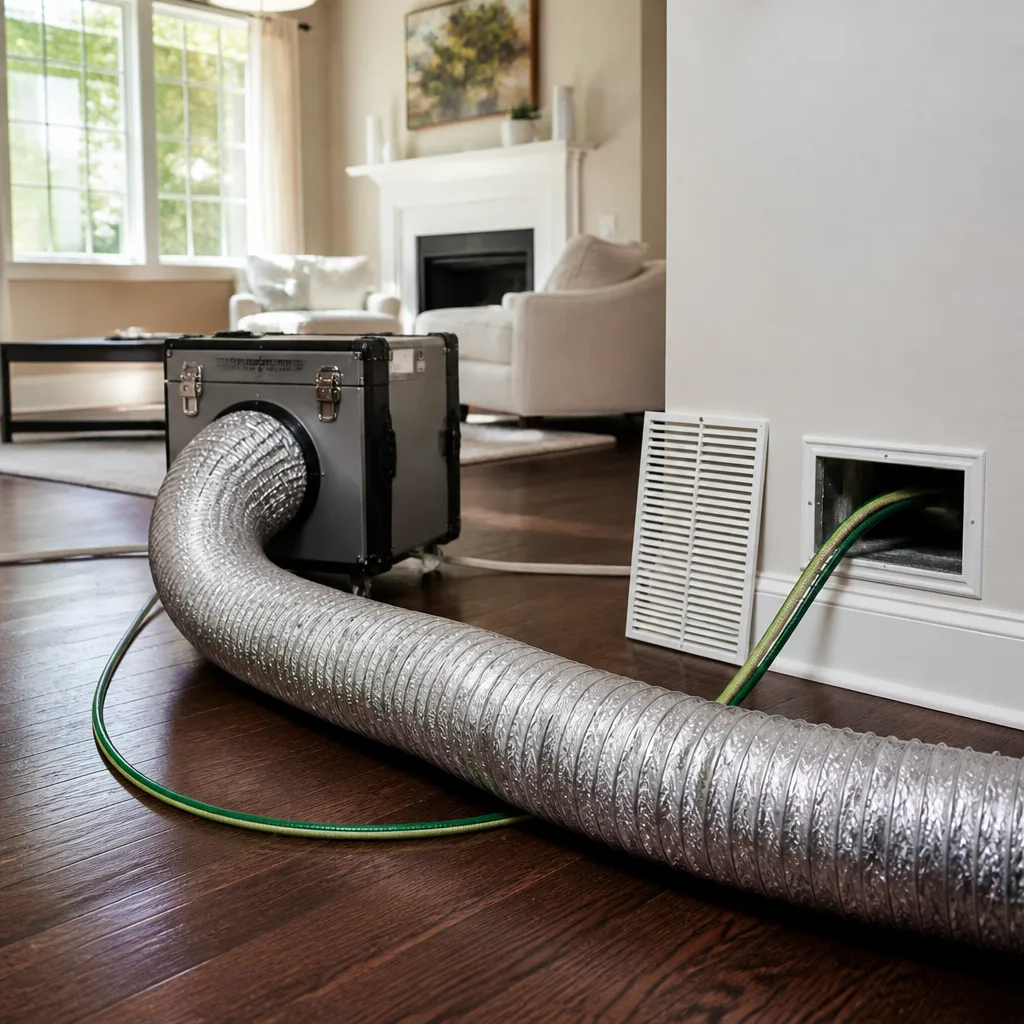 Whole-home duct cleaning
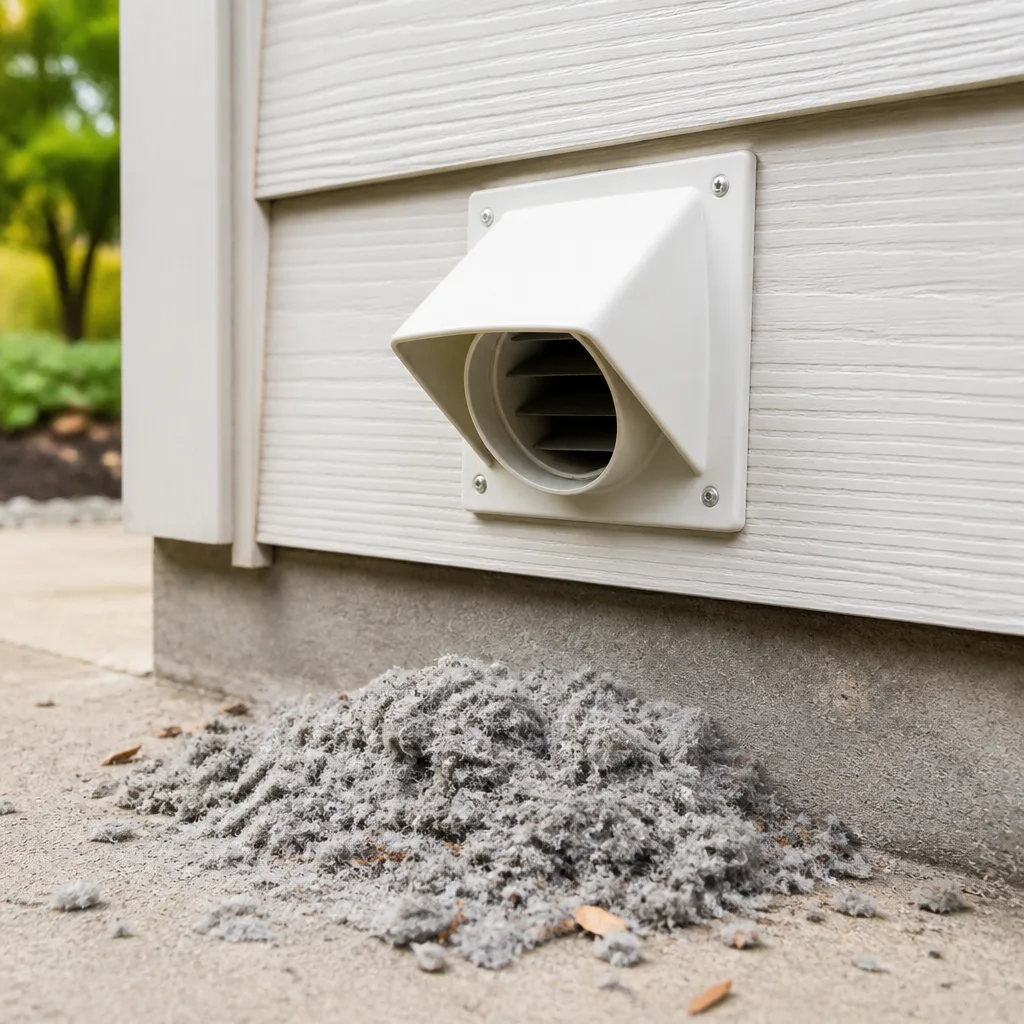 Dryer vent cleaning
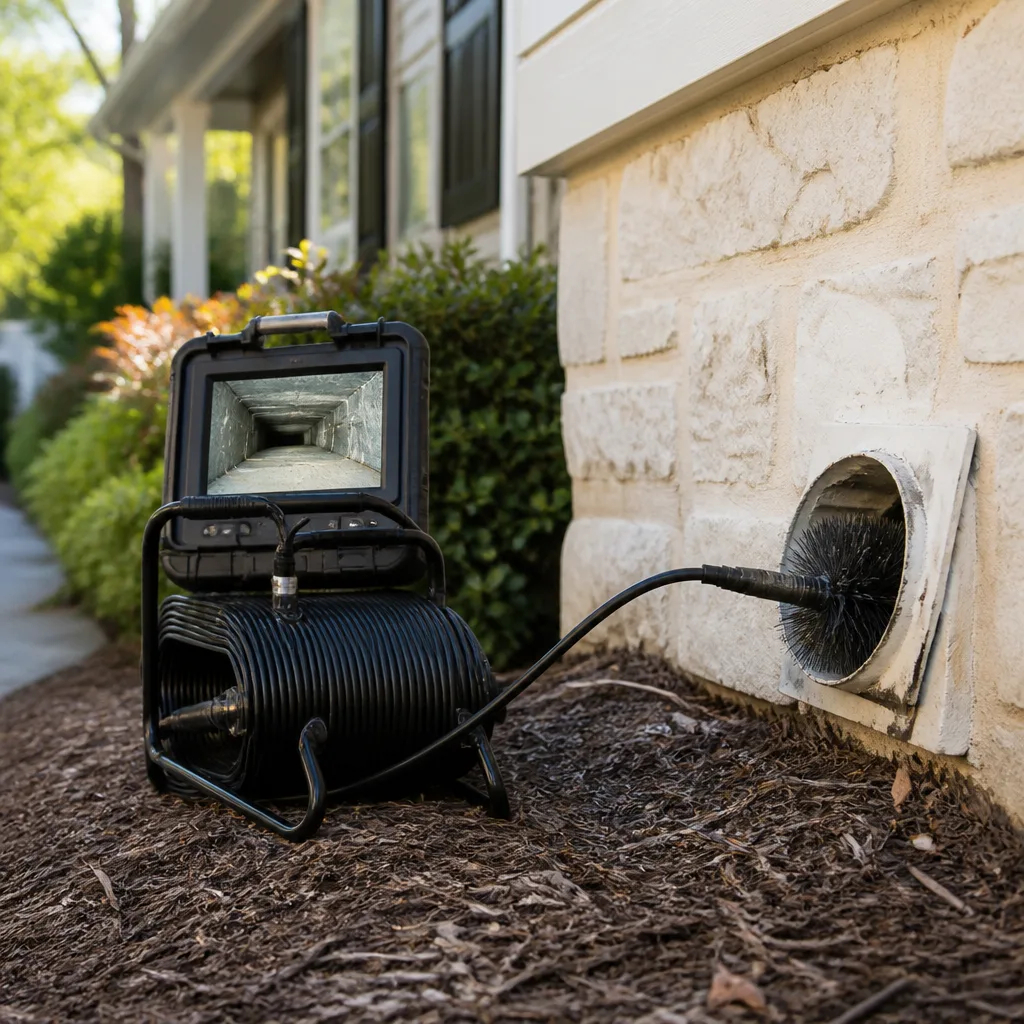 Camera inspection
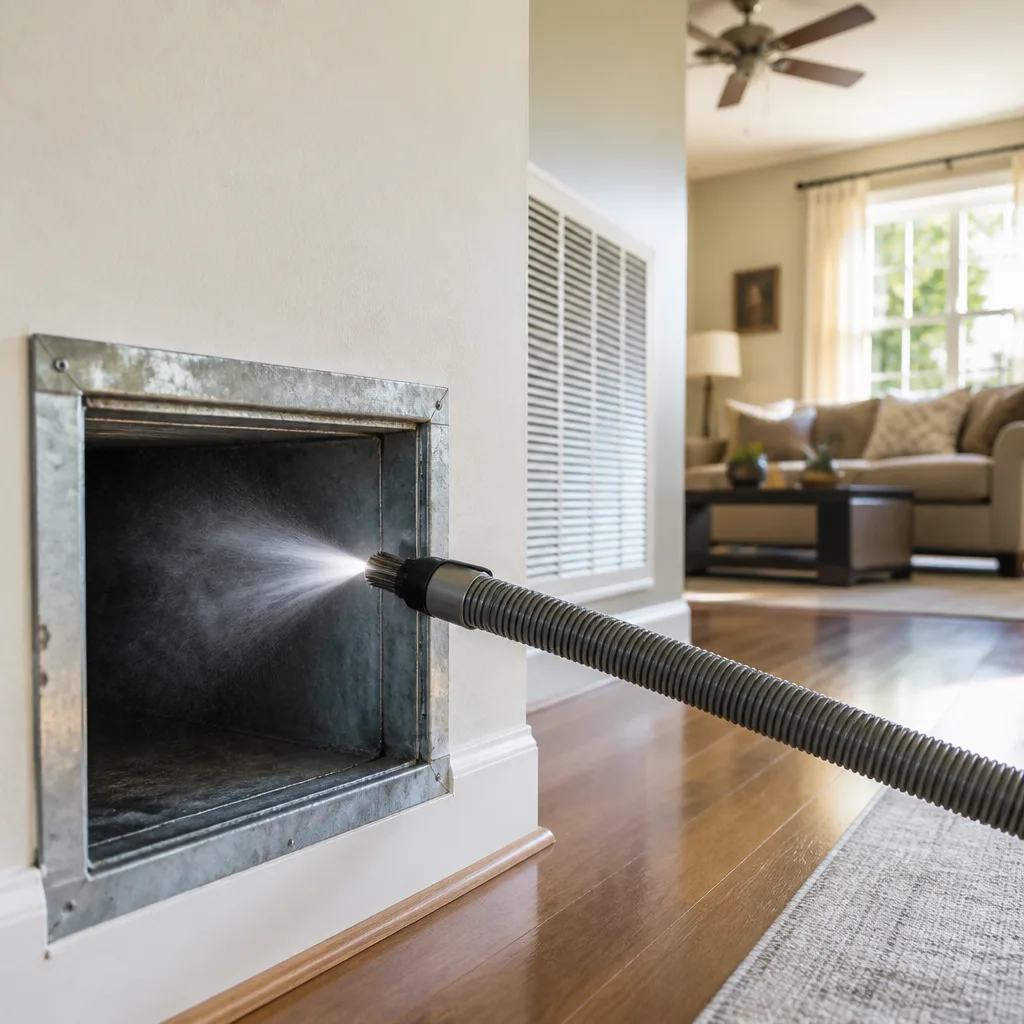 Sanitizing & deodorizing
Whole-system duct and dryer vent check with before-and-after photos - you see exactly what came out of your vents
That "$99 whole-house special" is a bait ad - the real number appears once they are in your hallway, or the "clean" is a shop-vac at the register. We photograph the inside of your ducts before and after instead.
The Complete Guide to Air Duct Cleaning in Holmesburg
Most people picture air duct cleaning as a technician walking around a house with a vacuum and poking at a few ceiling vents. The EPA has never recommended air duct cleaning on a fixed schedule, which leaves every homeowner deciding whether and when to clean without an official roadmap. So people judge the job by the only part they can see, the register, and miss everything behind it. A duct system is an air pathway, and the vents are just the doorways. This guide maps that pathway from the HVAC cabinet to the last register, explains what professional equipment actually does at each stage, and covers what matters specifically in Holmesburg, from older housing stock to basement air handlers and the humidity that comes with living near the Pennypack Creek watershed. By the end, you’ll know what a real cleaning involves and how to verify one was done right.
Quick Answer
Air duct cleaning in Holmesburg means removing built-up dust, debris, and biological growth from the entire air pathway, not just the visible vents: the blower compartment, main trunk lines, branch runs, return plenums, and register boots. A professional job uses negative pressure to keep the system under vacuum while contact cleaning loosens debris from every surface, then seals any leaks found along the way. Most Holmesburg homes benefit from an inspection-based approach rather than a fixed calendar, since older housing stock and basement HVAC placement change what a system actually needs.
Styles & brands we work with
- Whole-home duct cleaning
- Dryer vent cleaning
- Camera inspection
- Sanitizing & deodorizing
Table of Contents
- What “the Full Air System” Actually Means
- Contact Cleaning vs. Negative-Pressure Source Removal
- Holmesburg-Specific Factors: Older Homes, Basements, and Humidity
- What Cleaning Fixes and What It Doesn’t
- How to Tell if the Job Was Done Correctly
- The Step-by-Step Process of a Professional Cleaning
- Dryer Vents: The Other Half of the Air Pathway
- Evaluating Providers: What to Ask Before You Book
What “the Full Air System” Actually Means
When someone says “air duct cleaning,” they usually mean the supply vents. But the ducts a house actually has are only one segment of a longer circuit. Air leaves the HVAC unit, travels through the main trunk, splits into branch runs, and arrives at a register boot behind the grille. Then it comes back through return plenums to start over. If a technician cleans the supply side but ignores returns, the system pulls the same dust back in every cycle. That’s a surface job dressed up as a full one.
A complete cleaning addresses every part of that circuit:
- Blower compartment. The fan that moves air through the house. Dust and debris collect on the blades and housing, throwing the fan off balance and reducing airflow.
- Main trunk lines. The large rectangular or round ducts that carry conditioned air from the unit. These accumulate the most volume of debris over time.
- Branch runs. The smaller ducts that feed individual rooms. Harder to reach, easy to skip without the right equipment.
- Return plenums. The ducts that carry air back to the unit. Often the dirtiest part of the system because they pull in unfiltered air first.
- Register boots. The short transition between duct and room. These are the pieces behind the grilles homeowners rarely see and often the most contaminated.
This is why the scope of the work matters more than the number of vents. A proper whole-system approach treats the HVAC cabinet, supply ducts, and returns as one connected pathway. That’s the framing behind our Air Duct Cleaning Holmesburg work, and it’s the standard you should hold any provider to.
Contact Cleaning vs. Negative-Pressure Source Removal
Contact vacuuming uses a brush or air whip to physically loosen debris from duct walls, paired with a vacuum to pull it away. Negative-pressure source removal goes further: it puts the entire duct system under a vacuum first, so when debris is agitated loose, it’s captured and contained rather than pushed into living spaces. Those are two very different levels of service, and only one is the professional standard.
Here’s why the distinction matters. Consumer-grade shop vacs and lightweight portable rigs can’t create enough suction to hold an entire duct system under negative pressure. What they can do is loosen dust and blow some of it back into the room. That’s the setup cut-rate operators run on, and it’s how a “cheap” cleaning ends up making indoor air worse before it gets better.
Professional negative-pressure equipment changes the physics of the job. Systems like Rotobrush handle the contact cleaning, driving brushes and air whips through the ducts to break debris free. Nikro equipment provides the collection power. Abatement Technologies negative-air tools create containment-level extraction for homes with heavy contamination or sensitive occupants. When those two functions run together, loosened debris is captured at the source instead of settling on your furniture.
Our technicians have up to 12 years of experience running this equipment, and they’ll tell you the same thing: the vacuum setup is what separates a thorough clean from a quick one. Ask what equipment a provider plans to bring before you book.
Holmesburg-Specific Factors: Older Homes, Basements, and Humidity
Holmesburg’s housing stock shapes what a duct cleaning actually involves here in ways a generic checklist misses. Many homes in the neighborhood date from the mid-20th century or earlier, which means decades of accumulated dust, occasional retrofitted ductwork, and systems that weren’t designed with today’s filtration in mind. Older galvanized ducts are more prone to seam separation and pinhole leaks. When a duct leaks, it pulls attic or crawlspace air into the system, and that air is unfiltered.
Basement HVAC placement is another factor. Many Holmesburg homes have their furnace and air handler in the basement, where humidity runs higher than in the living space. Damp ductwork is more likely to support biological growth, and once that growth takes hold, it’s not something a homeowner can clean with a hose attachment. This matters more here because Holmesburg sits within the Pennypack Creek watershed, so the area’s humidity profile runs on the high side through summer. Damp basements and older duct systems need to be evaluated together.
What should a Holmesburg homeowner watch for? A few signs point directly to a duct system that needs professional attention:
- Visible dust or dark streaks around register grilles
- Musty or earthy smells that appear when the system kicks on
- Visible rust or moisture inside ducts or on the HVAC cabinet
- Uneven airflow between rooms on the same floor
- Frequent filter changes because filters are loading up fast
Duct leakage is an especially big deal in Holmesburg’s older homes. A cracked joint or separated seam quietly siphons conditioned air away from your living space while letting in outside air. Duct repair and sealing on the same visit is one of the reasons we structure service around the full pathway, so a leak doesn’t get flagged and then dropped. If you suspect a leak, our HVAC cleaning service addresses the equipment end of the same problem.
What Cleaning Fixes and What It Doesn’t
Cleaning is not a magic fix for every home air complaint. It’s a targeted service with clear results, and it helps to separate what it can do from what it can’t. Homeowners who understand the difference get a better outcome because they focus on the right problems.
What a proper cleaning does fix:
- Reduces the volume of accumulated dust and debris the system recirculates
- Improves airflow when debris is restricting the ducts or blower
- Removes the source of musty or stale odors that come from the system
- Makes the system easier to maintain, since filters and registers stay cleaner longer
- Reduces the load on the HVAC unit, which can relieve some of the efficiency loss from restricted airflow
What cleaning doesn’t fix:
- Poorly designed duct systems that can’t deliver even airflow regardless of cleanliness
- Undersized equipment or a failing blower motor
- Allergy symptoms that have a source outside the ducts, which a medical professional should evaluate
- Contaminants that come in through leaks and returns rather than collecting in the ducts
- Structural problems in the walls or floors that affect air circulation
The honest framing is that cleaning addresses what’s in the system. It doesn’t change the design of the system. If you need the source of a contamination issue removed, our air duct cleaning work covers the setup, but the real value is in the inspection first, because that’s where we find out whether cleaning is even the right solution.
How to Tell if the Job Was Done Correctly
The best way to know a job was done properly is to watch the process and inspect the results. That sounds simple, but many homeowners skip it, and bait-and-switch operators count on that. A few concrete checkpoints will tell you whether what you paid for actually happened.
- Watch the setup before the work begins. A professional puts the system under negative pressure first, with containment equipment in place. If debris is being loosened while the vacuum isn’t running, that’s a red flag.
- Look inside the ducts. After cleaning, ask the technician to show you inside a supply duct and a return. Clean duct walls should be visibly free of loose debris. A phone flashlight down into a register boot works fine for this.
- Check the register boots, not just the ducts. The short transition behind each grille is one of the most contaminated parts of the system. If they weren’t cleaned, the job wasn’t complete.
- Ask for before-and-after photos. A provider with professional equipment takes pictures as a matter of course. If they can’t show you the difference, they didn’t document the work.
- Note the HVAC cabinet condition. The blower compartment should be visibly cleaner after the visit. If it wasn’t opened and cleaned, that part of the job didn’t happen.
- Check that any leaks found were sealed. A proper inspection flags every leak and joint issue. If a technician found leaks but didn’t do anything about them, ask why.
One more check: ask how much debris was collected. A provider using real negative-pressure equipment can show you the collection. If there’s nothing to show and no photos, follow up.
The Step-by-Step Process of a Professional Cleaning
A full-system cleaning follows a fairly consistent sequence from start to finish. Knowing the steps helps you understand what you’re paying for and what to expect on the day of service. Our process runs like this:
- Walkthrough and inspection. The technician assesses the system, notes the register count and locations, checks for leaks, and looks at the HVAC cabinet. Any concerns get raised before work starts.
- Containment setup. Negative-pressure equipment is connected at the air handler or return, and the system is put under vacuum. This keeps debris contained while it’s being agitated.
- Register and boot cleaning. Grilles are removed, and the boots behind them are cleaned out. This is where a lot of visible dirt hides.
- Contact cleaning of ducts. Rotobrush and air-whip tools travel through supply and return runs, breaking debris off the walls. Larger trunk lines get more aggressive attention.
- Blower compartment cleaning. The air handler’s blower wheel and housing are cleaned, since dust here affects airflow and fan balance.
- Sanitizing (when needed). If biological growth or odor is present, an air quality sanitizing step follows the mechanical cleaning. We work with Honeywell and Aprilaire product lines for whole-home air-quality solutions, so the sanitizing stage can be matched to the system.
- Duct repair and sealing. Any leaks, separated seams, or damaged sections found during inspection are addressed, so the system doesn’t pull unfiltered air into the ducts afterward.
- Final check and documentation. The system is put back together, and before-and-after photos are provided. The technician walks the homeowner through what was found and what was done.
Every step matters because each addresses a different part of the air pathway. Skipping the containment setup undermines the whole job, and skipping the repair step leaves the reason for the contamination in place. That’s why our approach to HVAC cleaning includes the equipment cabinet, and why a good provider treats the system as one connected unit.
Dryer Vents: The Other Half of the Air Pathway
Home air isn’t only about the HVAC system. The dryer vent is a separate exhaust path, and it’s one of the most overlooked parts of a home’s air and fire-safety picture. Lint accumulation in a dryer vent is a documented fire-risk contributor, and it also lengthens drying cycles because the dryer has to work harder to move air through a restricted vent.
Most duct cleaners either skip dryer vent cleaning or treat it as a quick add-on. We treat it as a standalone service because it addresses a different concern: preventing a fire that starts inside a vent, not just improving air quality. Signs your vent needs attention:
- Drying cycles take noticeably longer than they used to
- Clothes feel hot or damp after a full cycle
- The outside vent flap doesn’t open fully when the dryer runs
- Lint accumulates around the dryer or on the floor behind it
- You can’t remember the last time it was cleaned
Professional dryer vent cleaning uses the same contact-cleaning equipment we bring to duct work, plus the same inspection mindset. Our dryer vent cleaning service is scheduled as a dedicated visit, and it’s a straightforward way to take a risk off the table.
Evaluating Providers: What to Ask Before You Book
Pricing is where most homeowners get tripped up. A low headline price often turns into a bigger invoice once the technician is on site, and the scope of the work expands. The fix is to ask the right questions before you book, and to get the answers in writing.
What to ask:
- What’s included in the price? Ask for a written scope that lists registers, boots, trunk lines, returns, blower compartment, and any repair or sanitizing work as separate line items. If a number is missing from that list, it’s probably not included.
- What equipment will you use? A negative-pressure system and professional-grade contact-cleaning tools are the minimum. If they can’t name the equipment, they probably don’t have the right setup. Rotobrush and Nikro are industry-standard names, and Abatement Technologies equipment is what professional remediation work uses.
- Is the estimate free? A free, written estimate is the standard, and it should be the price you actually pay. If the estimate is verbal and the invoice is higher, walk away.
- What happens if you find leaks or damage? A provider who can’t repair or seal what they find will either skip it or refer you elsewhere. We handle duct repair and sealing as part of the same visit.
- Will I get before-and-after photos? Proper documentation protects both sides, and it’s how you verify the work happened.
- What’s the technician’s experience level? Our technicians have up to 12 years of experience. Experience with HVAC systems matters more than experience with vacuums, since the two ends of the work are different skills.
The bigger picture: a provider that offers transparent pricing and clear scope will answer these questions without hesitation. One that dodges is telling you everything you need to know.
Common Mistakes to Avoid
- Booking on price alone. The cheapest quote usually means the cheapest equipment, which is exactly where debris gets blown into your room instead of captured. Ask about equipment and containment before you compare prices.
- Cleaning the supply side and skipping returns. Returns are usually the dirtiest part of the system. If they’re not cleaned, the same dust keeps circulating, and the whole job falls short of what you paid for.
- Assuming the register boots are included. The boots behind each grille are often the most contaminated part of the system, and some providers skip them to keep the job fast. Ask about them directly.
- Treating dryer vent cleaning as optional. A blocked dryer vent is a documented fire risk, not just a convenience issue. Have it checked and cleaned on a schedule that matches how much laundry your household runs.
- Skipping inspections for leaks before and after cleaning. A cracked seam or separated joint in an older Holmesburg duct system will keep pulling unfiltered air into the house no matter how clean the ducts are. Leaks need to be found and sealed as part of the visit.
- Agreeing to a verbal estimate. A written estimate should set the final price. If it doesn’t, expect a larger invoice once the technician is on site.
- Ignoring humidity in a basement HVAC setup. Holmesburg’s damp summers and creek-side humidity mean a basement air handler needs moisture awareness. If a provider never asks about basement moisture, they’re not evaluating the whole system.
See the difference
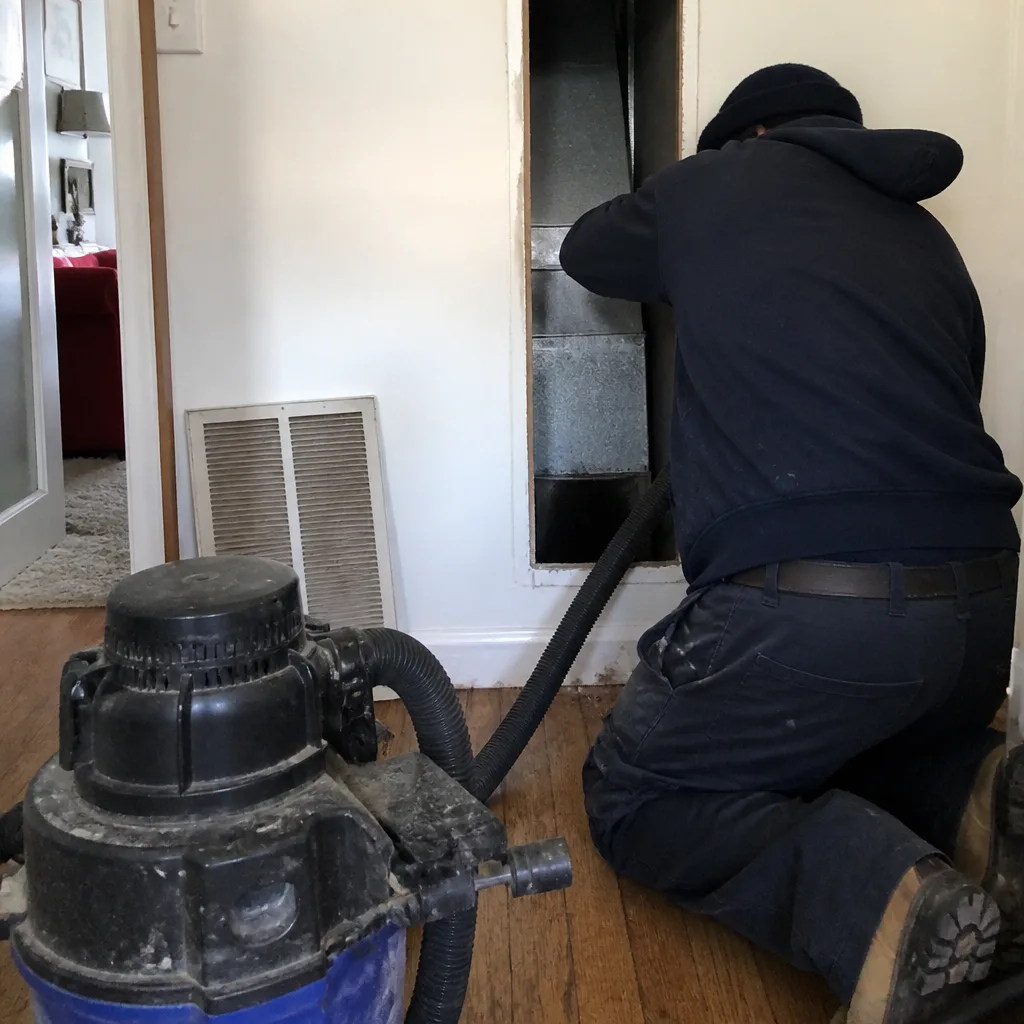 Before
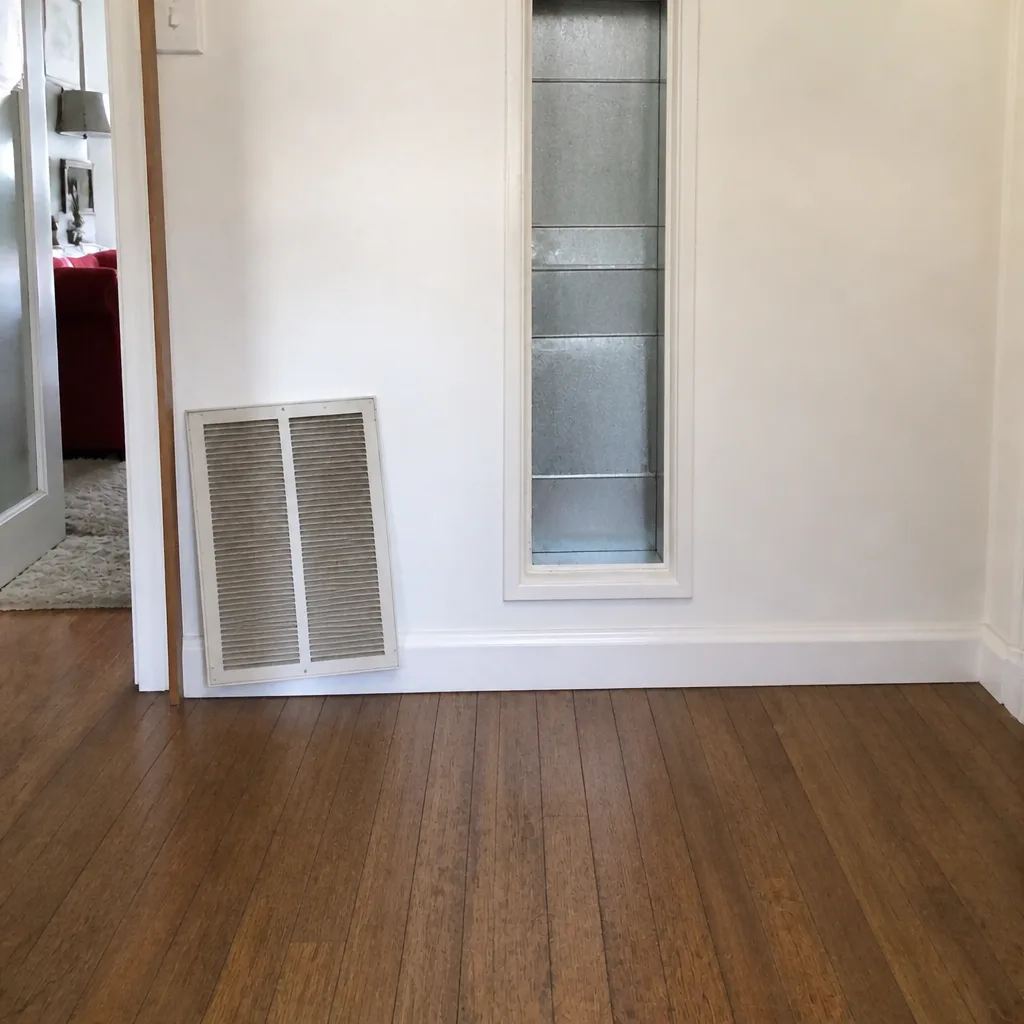 After
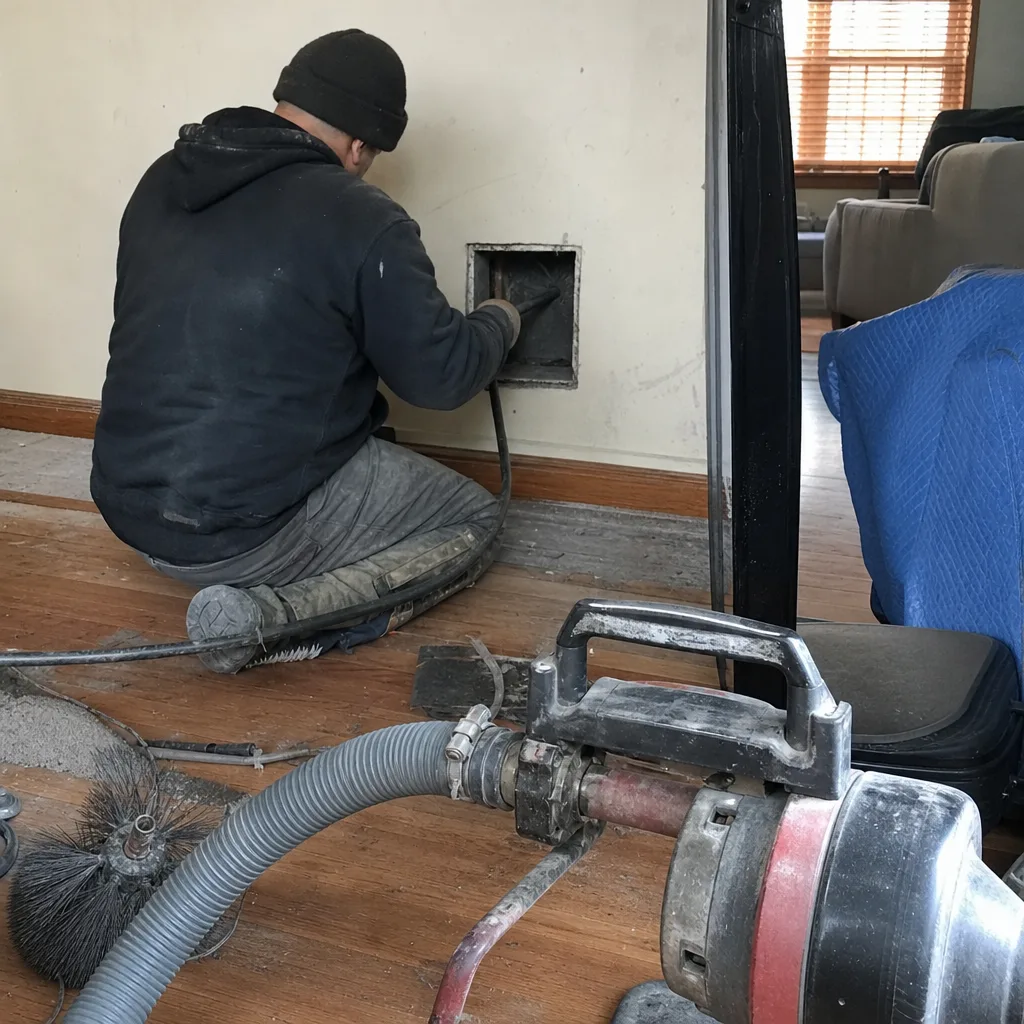 Before
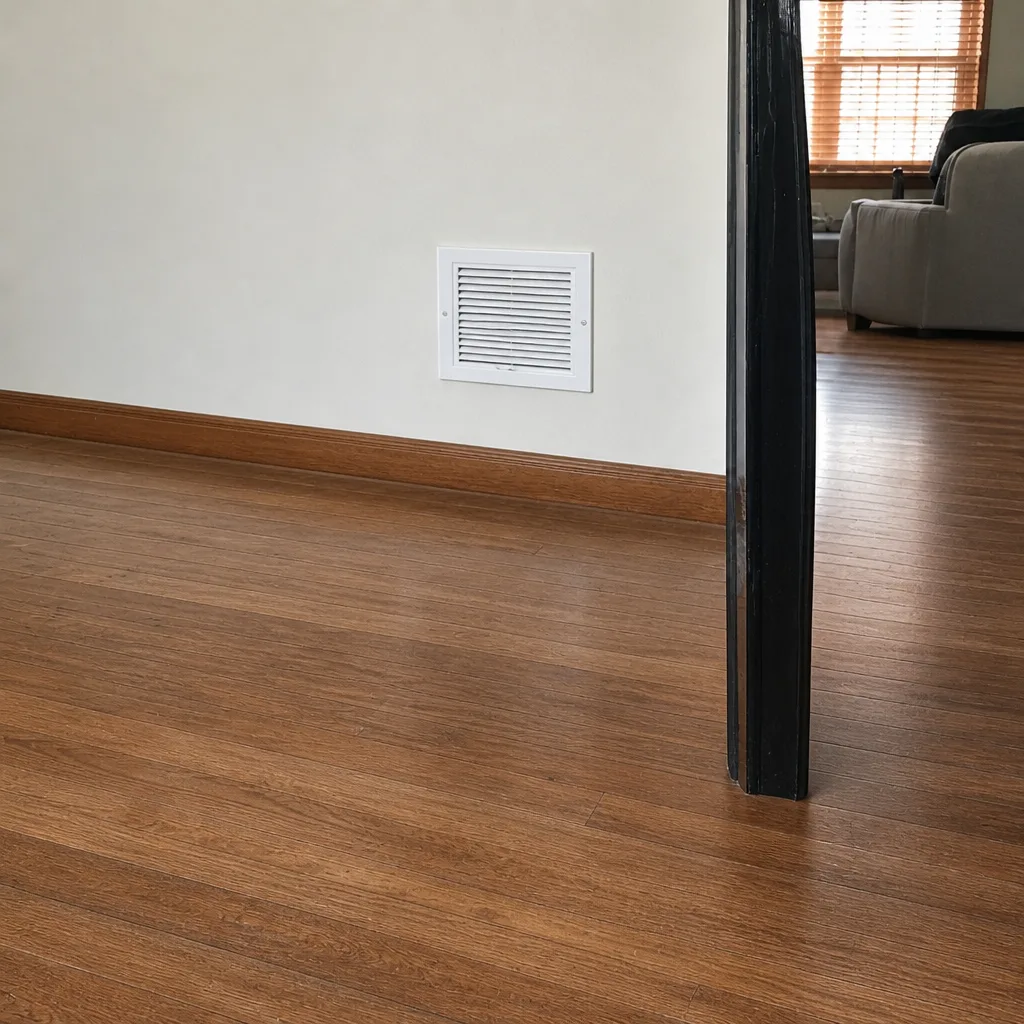 After
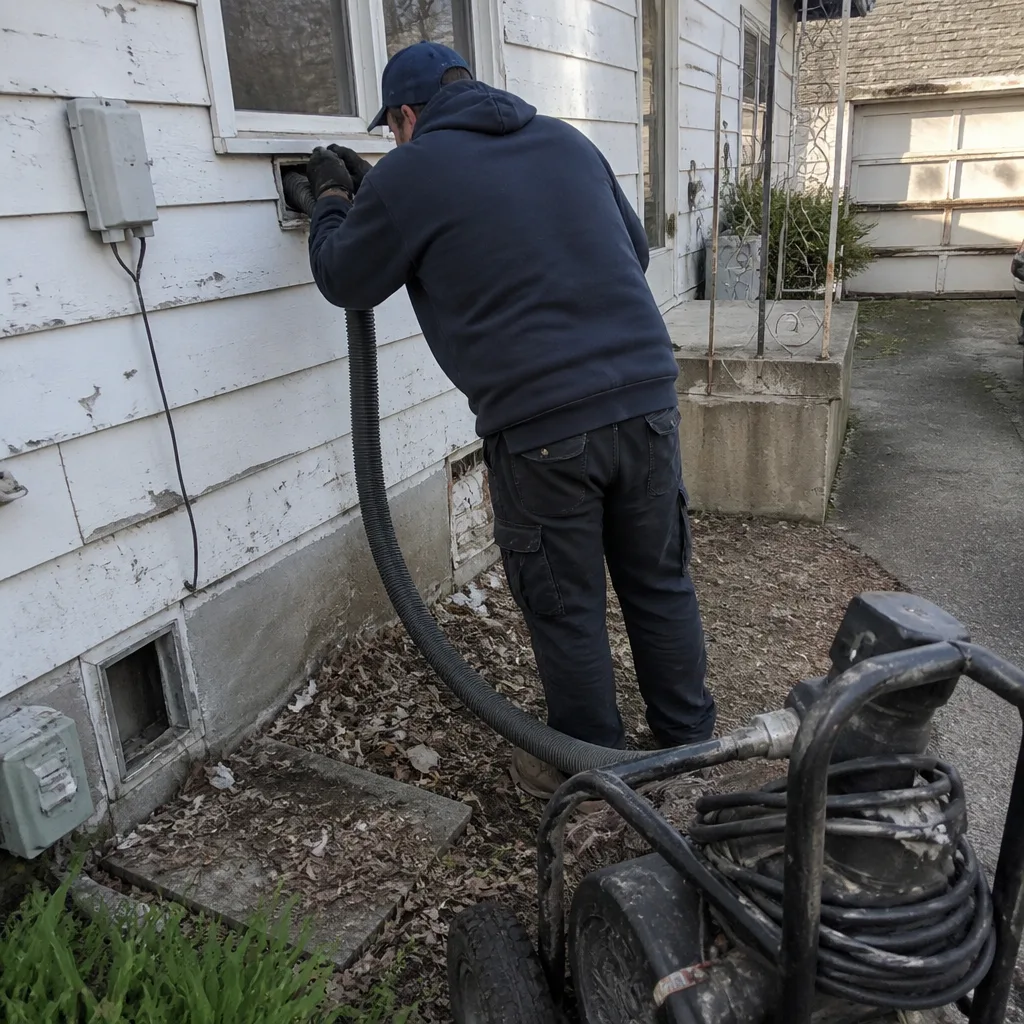 Before
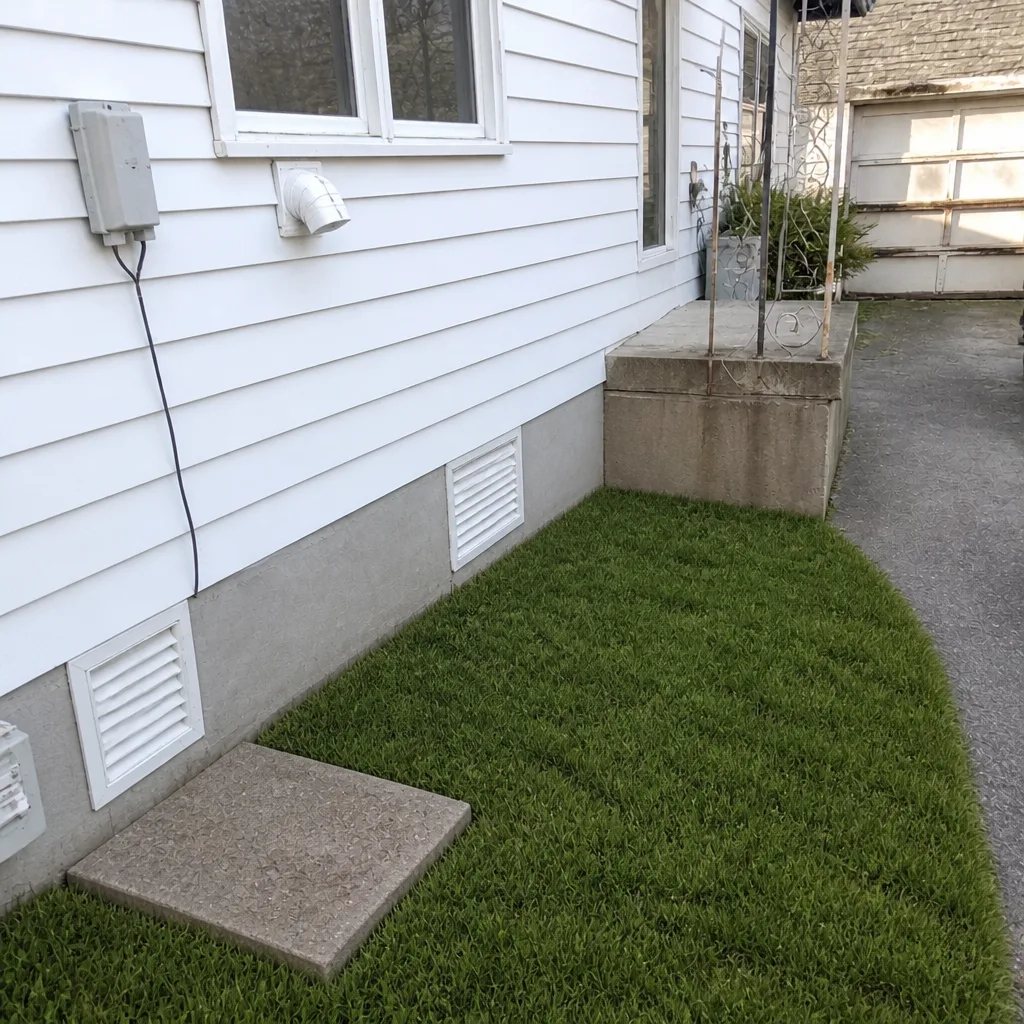 After
When to Call a Professional
Not every home needs a duct cleaning right now, but certain signs say it’s time to have a system evaluated. If filters are loading up much faster than they used to, if musty odors appear when the system kicks on, or if you’ve had water intrusion near the HVAC cabinet, a professional inspection will tell you what’s actually going on. Homes that have had recent renovations, older homes in Holmesburg with ductwork that predates modern filters, and properties where the dryer vent has never been cleaned all fall into the same category: worth a look before small problems become larger ones.
Air Duct Cleaning Holmesburg offers free estimates in Holmesburg. Call (877) 770-0234. We answer 24/7. Fast dispatch from 7am to 7pm, Sunday through Friday.
Frequently Asked Questions
The typical cost depends on the size of the system, the number of registers, and whether repair or sanitizing work is needed, so an estimate is the only reliable number. We provide free written estimates with the scope itemized, and that written price is the final price, which protects you from the bait-and-switch experience many homeowners have had. Call (877) 770-0234 for an exact quote – estimates are free.
There’s no fixed schedule that applies to every home. The EPA hasn’t set one, and that’s actually the right answer: the need depends on the home’s age, how heavily the system runs, whether there are pets, recent renovations, and signs of contamination or moisture. An inspection is the honest starting point, and from there you can decide on a realistic interval. Call (877) 770-0234 to set up an evaluation – estimates are free.
Cheaper quotes usually mean cheaper equipment: portable shop vacs instead of negative-pressure systems, and a scope that skips register boots, returns, or the blower compartment. The job looks the same from the driveway, but it isn’t. Ask what equipment will be used and what’s included in writing before you book, and make sure the estimate sets the final price.
Look for before-and-after photos, ask to see inside a supply duct and a return after cleaning, and check that the register boots and blower compartment were cleaned. A provider using proper negative-pressure equipment has nothing to hide. Our team documents the work and walks through what was found at the end of the visit.
Yes, mainly because of duct sealing and basement humidity. Ducts in older homes are more likely to have seam separation and pinhole leaks, and basement air handlers in a humid creek-side climate can support biological growth that a surface cleaning won’t address. Duct repair and sealing as part of the same visit is the fix, so the system isn’t pulling unfiltered air back into the ducts after cleaning.
Yes, as a standalone service. Lint buildup in a dryer vent is a documented fire risk, and it lengthens drying cycles too. It’s worth checking if you can’t remember the last time your vent was cleaned. Call (877) 770-0234 for a free estimate.
The Bottom Line
Air duct cleaning is a whole-system job, not a vent vacuuming. The parts that matter most are the ones homeowners can’t see: return plenums, register boots, and the blower compartment. Negative-pressure extraction and professional contact-cleaning equipment are what separate a real clean from a wishful one, and in Holmesburg’s older housing stock, with basement air handlers and damp summers, the inspection matters as much as the cleaning. Leaks, seams, and humidity are things a proper provider checks on every visit. If you’re deciding whether to book, start with a free estimate and a written scope, then hold the provider to it.
Written by the team at Air Duct Cleaning Holmesburg.