
Last updated November 25, 2026
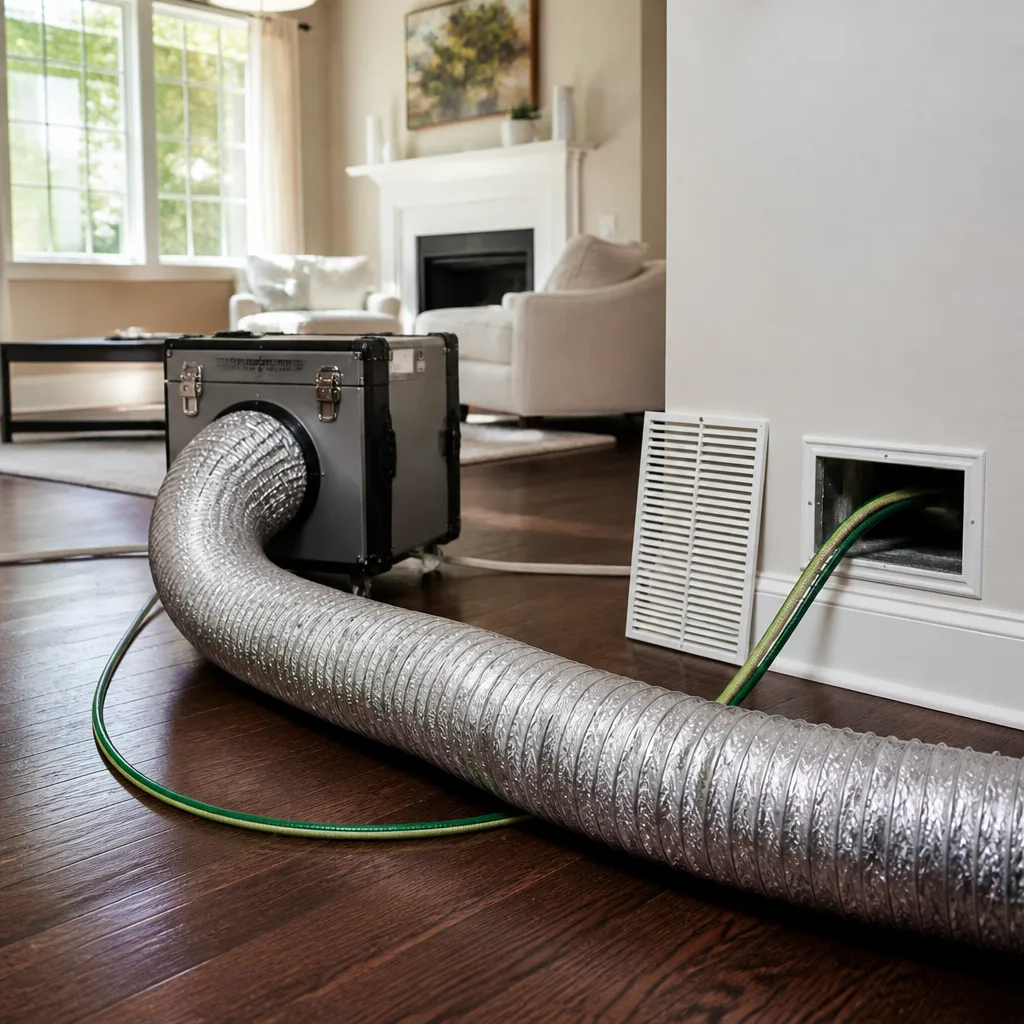 Whole-home duct cleaning
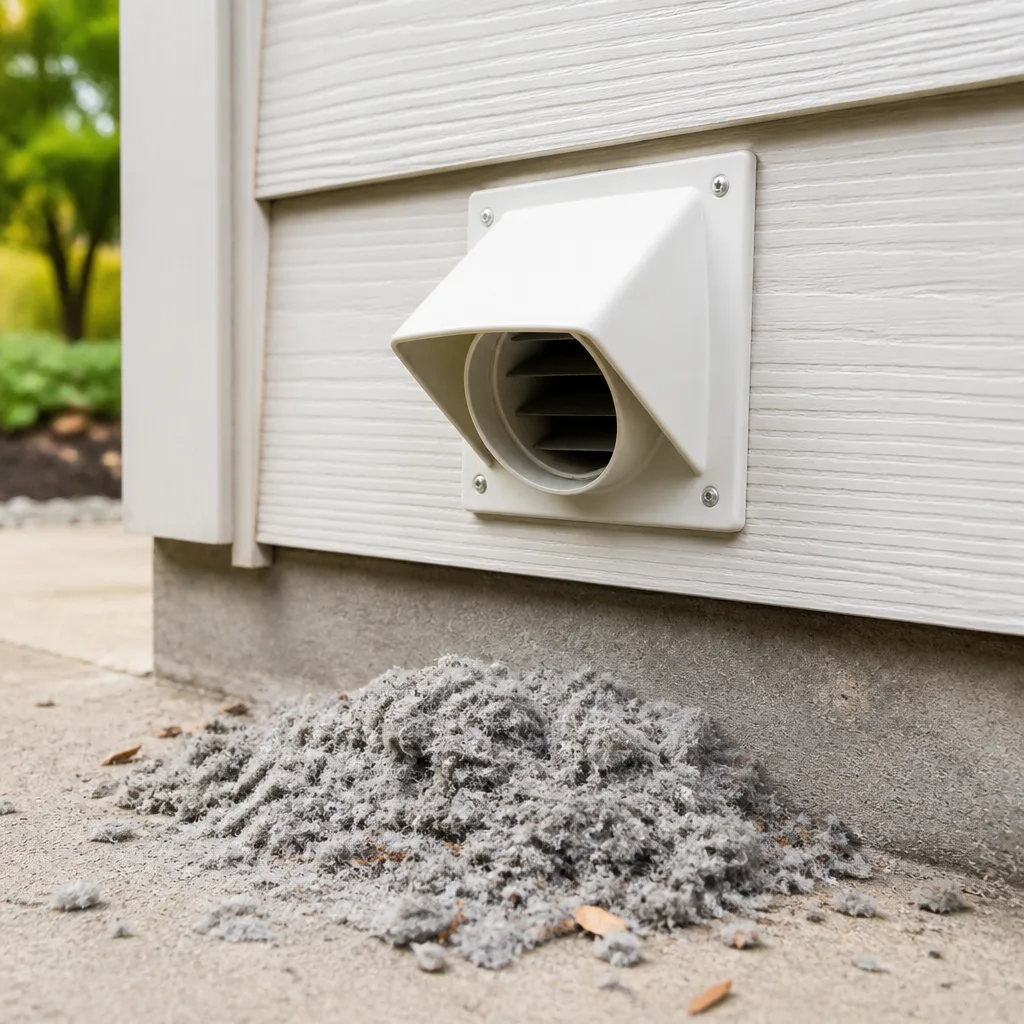 Dryer vent cleaning
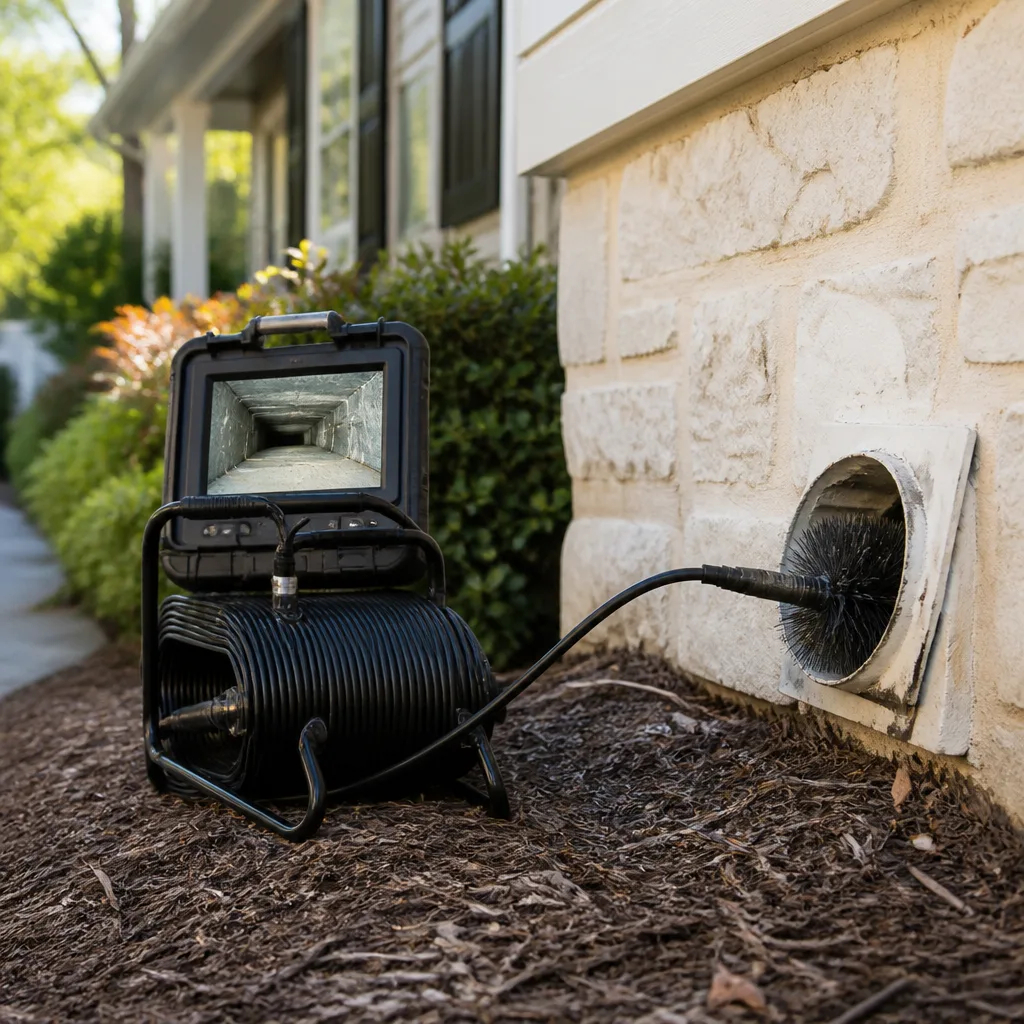 Camera inspection
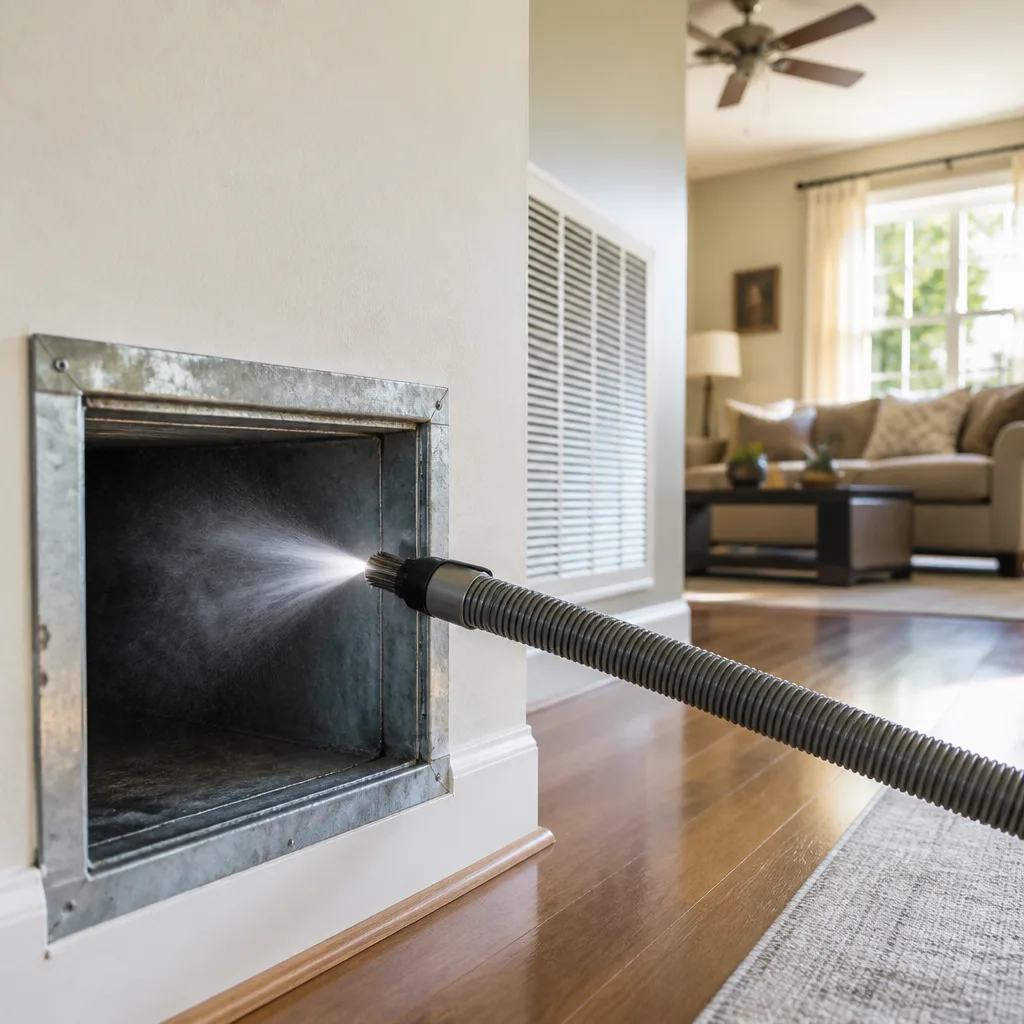 Sanitizing & deodorizing
Whole-system duct and dryer vent check with before-and-after photos - you see exactly what came out of your vents
That "$99 whole-house special" is a bait ad - the real number appears once they are in your hallway, or the "clean" is a shop-vac at the register. We photograph the inside of your ducts before and after instead.
DIY vs Professional Air Duct Cleaning: The Holmesburg Homeowner’s Decision Guide
Most homeowners who look into duct cleaning assume the job is about the dust they can see at the register. It isn’t. A shop vac and a long brush can clean the first foot or so of each branch run, which is the part of the system that matters least. The contamination that actually drives stale air, allergy flare-ups, and short-cycling HVAC equipment collects in the main trunk line, the return plenum, and the blower wheel, and none of those are reachable with a consumer kit. This guide maps exactly how far a DIY tool reaches, where debris really piles up in a Holmesburg home, what maintenance you should still do yourself, and the specific condition that tells you it’s time to call.
Quick Answer
DIY air duct cleaning reaches only the visible first stretch of each branch run and cannot clean the trunk line, return plenum, or blower compartment where most contamination collects. Professional cleaning uses contact brushing and negative-pressure extraction to reach those areas while containing debris so it doesn’t enter your living space. In Holmesburg, older galvanized metal systems are easier to inspect than newer flex-duct installs, but neither is fully cleanable without professional equipment.
Styles & brands we work with
- Whole-home duct cleaning
- Dryer vent cleaning
- Camera inspection
- Sanitizing & deodorizing
Table of Contents
- Duct Anatomy: Where DIY Reaches and Where Contamination Lives
- The DIY Tasks That Genuinely Help
- Why Stirring Up Debris Without Containment Backfires
- What Holmesburg’s Housing Stock Changes About Cleaning
- The Decision Trigger: When to Move From DIY to Professional
- What a Professional Visit Actually Involves
- Dryer Vent Cleaning: The DIY Job Most People Underestimate
- Repair and Sealing: The Part DIY Kits Can’t Address
Duct Anatomy: Where DIY Reaches and Where Contamination Lives
A residential air system isn’t a single tube. It’s a branching network, and the geometry matters when you’re trying to clean it.
Supply air leaves the furnace or air handler through the supply plenum, moves into the main trunk line, and then splits into branch runs that terminate at each register. Return air travels the opposite way, coming back through return grilles and a return plenum to the blower compartment before passing over the coil. Every one of those segments collects debris differently.
A consumer brush kit reaches roughly the first 12 inches of a branch run. If the register is directly above a ceiling diffuser with a short drop, that might look like a meaningful clean. But the brush can’t turn a corner, can’t follow a 90-degree elbow, and can’t apply any real pressure to duct walls. Whatever sits 2 inches past the first turn stays where it is.
Meanwhile, contamination concentrates in four places a DIY kit never touches:
- The main trunk line. Loose dust, pet hair, and construction debris settle on the bottom of horizontal trunk runs, where air velocity is lowest.
- The return plenum and blower compartment. Negative pressure on the return side pulls debris toward the blower, and dust cakes onto the blower wheel blades over time.
- The evaporator coil face. A damp coil face acts like a filter, and organic growth can develop there, feeding odors back through the supply runs.
- Branch run elbows and takeoffs. The inside radius of every elbow is where dust accumulates first, and it’s the part a straight brush cannot reach.
This is the structural reason DIY duct cleaning plateaus. It isn’t that the tools are poorly made. It’s that they’re the wrong shape for the job. That said, there are real DIY tasks worth doing between professional visits, and we’ll get to those next.
The DIY Tasks That Genuinely Help
We aren’t going to tell you never to touch your system. Four routine tasks make a measurable difference in Holmesburg homes, and they’re worth doing regularly.
- Clean the register grilles. Vacuum the face of each supply and return grille with a brush attachment, then wipe with a damp cloth. Grilles load up with dust and pet hair faster than the ducts behind them. This is the single highest-value DIY step.
- Replace the filter on schedule. A clogged filter chokes airflow and pushes dust into the heat exchanger and coil. Check the filter monthly during peak heating and cooling season and change it when it looks gray. A filter rated for your system’s static pressure is more important than the highest MERV number you can find.
- Clear the dryer lint trap and exterior vent. Empty the lint trap after every load and clear the exterior flapper of lint and nesting material. More on this below.
- Inspect at accessible panels. If your system has a removable access panel near the furnace or a cleanout on the trunk line, open it and look inside with a flashlight. You’re not cleaning anything here. You’re gathering evidence. Photograph what you see if you might call a contractor later.
What you should not do: seal off registers and run a shop vac through them, shove a brush deep into a branch run, or spray any liquid into your ductwork. Each of those moves debris without containing it, which is the subject of the next section.
Why Stirring Up Debris Without Containment Backfires
Here’s the part most DIY write-ups skip. Disturbing settled contamination without negative pressure doesn’t remove it. It mobilizes it.
When you push a brush through a duct, debris that was resting on the bottom of a horizontal run goes airborne. Your shop vac captures whatever passes near its nozzle, but not what drifts back into the airflow. Within minutes, the return side of the system carries that loose material into the blower and out through the supply registers into the rooms you live in. The visible effect varies: a cloud at the register, a dust film on furniture, or a coughing spell during the following hours. The invisible effect is a system that’s now dirtier than when you started.
Professional duct cleaning works the other way around. A high-powered HEPA vacuum, connected at the main trunk or through a dedicated access port, puts the entire duct system under negative pressure before any brush touches a surface. Contact cleaning loosens debris; the negative pressure captures and extracts it as it lifts. Containment is the entire method.
At Air Duct Cleaning Holmesburg, our technicians use professional air duct cleaning equipment that includes Nikro vacuum systems for HVAC extraction and Abatement Technologies negative-air equipment for jobs that need containment-level filtration. The point of that hardware isn’t brand prestige. It’s the ability to loosen and capture debris simultaneously so none of it re-enters your living space.
What Holmesburg’s Housing Stock Changes About Cleaning
Holmesburg is an older riverfront neighborhood in Northeast Philadelphia, and the housing stock reflects it. Much of the residential housing was built in the first half of the last century, and a large share of it runs a forced-air system that was added well after the original construction.
That produces two distinct situations.
Galvanized metal ducts with rigid trunk lines. Older systems like these tend to be well-built but heavily settled. Trunk runs are often long, and dust accumulates in volume at the bottom of the horizontal sections. The upside is accessibility: a trained technician can open a small access port, run a camera through a rigid trunk, and see exactly what’s there. Inspection is straightforward, and cleaning is thorough because every segment can be reached.
Later retrofits with flexible branch duct. When an older home was converted to forced air, or when a row-home renovation replaced sections of ductwork, flex duct often appears. Flex duct has a corrugated interior that traps dust on every ridge. It can be cleaned, but it needs a gentler technique than rigid metal and lower brush speeds so the inner liner isn’t damaged. Many flex runs also make wide, loose bends that a homeowner’s brush can’t negotiate at all.
Neither configuration is fully cleanable with consumer equipment. The metal system still holds debris in trunk runs a shop vac can’t reach; the flex system traps debris on surfaces no brush can scrub. If you’re in Holmesburg and haven’t had the ducts inspected, the honest first step is a look inside rather than a guess at whether they’re dirty.
The Decision Trigger: When to Move From DIY to Professional
DIY duct cleaning is a maintenance routine. Professional cleaning is a corrective service. The question is where one ends and the other begins.
Here’s the trigger we ask homeowners to check against. If two or more of the following are true, the system has moved past routine maintenance and into the corrective category:
- You see visible dust streaks, soot marks, or dark staining around the supply registers.
- A musty or “dirty laundry” smell comes out of the vents when the system cycles on.
- Occupants with asthma or allergies are reacting worse indoors than outdoors, especially in the first hour after the system starts.
- The HVAC system has just been replaced, and you don’t know whether the old ducts were cleaned before the new unit went in.
- You’ve finished a renovation, remodel, or drywall project and the system ran during the work.
- You’ve moved into a Holmesburg home and don’t know when the ducts were last cleaned. A pre-move inspection with a camera inside the trunk line settles the question.
- Your dryer takes two cycles to dry a normal load, or the exterior flapper doesn’t open with a strong rush of air.
One item on that list is a good reason to schedule a visit. Two or more is the point at which continuing to DIY is a waste of your weekend. Our technicians have up to 12 years of experience reading those symptoms against what they find inside a system, and the pattern holds: what comes out of the trunk line is almost always heavier than what the homeowner expected.
What a Professional Visit Actually Involves
If you’ve never watched a professional duct clean, the sequence matters because it’s what separates a real clean from a surface wipe. Here’s how the work moves through a typical Holmesburg home.
- Source removal and inspection. Technicians identify the air handler, coil, and trunk line, and put a camera inside the trunk to see what’s actually there. The written estimate gets set from what the camera shows, not from a phone guess.
- Containment. Every register is sealed, and a high-powered HEPA vacuum is connected to the trunk or a dedicated port. The system comes under negative pressure before any brush touches a surface.
- Contact cleaning. Rotobrush-style contact cleaning is run through the branch runs and trunk, then a specialized nozzle is used on the coil and blower. What loosens is captured, not dispersed.
- Coil and blower cleaning. The evaporator coil face and blower wheel get individual attention, since they’re the two components a branch-only clean never reaches.
- Sanitizing (when it’s called for). If organic growth, rodent activity, or persistent odor is present, an air quality sanitizing treatment is applied after cleaning, not instead of it.
- Repair, on the same visit. Disconnected joints, crushed flex runs, and leaking seams turn up regularly. Duct repair and sealing is folded into the same visit rather than deferred to a separate contractor.
- Before-and-after documentation. Photographs inside the duct, taken at the same access point before and after cleaning, are the only reliable answer to the question “was the work actually done?”
When the work is done, one flat price per system is charged, agreed from the written estimate before the technician ever starts. Nothing is priced per vent, and no order of magnitude surprise is added to the invoice after the fact. You can see the air duct cleaning scope we offer across the full air pathway, from the HVAC unit to the last register.
Dryer Vent Cleaning: The DIY Job Most People Underestimate
Dryer vent cleaning is the one task in this guide where the DIY version is genuinely worthwhile up to a point, and then isn’t.
Every load of laundry produces lint. Most of it lands in the trap, but the remainder coats the interior of the vent line, and the run from your dryer to the exterior wall can be 10, 20, or 30 feet long in an older Holmesburg home. Over time that lining thickens, restricts airflow, and can back lint up against the dryer’s heating element. The National Fire Protection Association documents dryer vent lint as a leading contributor to home dryer fires. That’s the safety reason duct cleaners who skip this service or price it as an add-on are leaving the most important line of the system untouched.
The DIY portion that helps:
- Empty the lint trap after every load, without exception.
- Disconnect the dryer, vacuum the transition duct behind it, and clear the exterior flapper of visible lint.
- Check the vent’s exterior hood quarterly. If a bird has nested in it, or lint is packed against the screen, airflow is compromised whether you can see it from the ground or not.
Where DIY stops: a brush line you push from the dryer end may reach the exterior on a short run, but on a longer run it doesn’t scrub the walls, and it doesn’t clear compacted lint from elbows. A professional dryer vent clean uses a powered brush and negative-pressure extraction to clear the full run end-to-end, and it verifies airflow at the exterior. We offer dryer vent cleaning as a standalone service for exactly that reason.
Repair and Sealing: The Part DIY Kits Can’t Address
Duct leakage is the silent companion to duct dirt. Field experience across residential systems shows that leaky ductwork is common, and in older homes, small separations at joints and takeoffs are routine.
The consequence isn’t just wasted energy. Leaky supply runs pull attic or crawlspace air into the duct, and leaky return runs pull basement dust back into the living space. A system may pass a “dirt” inspection while losing a meaningful share of its delivered air to leaks.
Professional cleaning includes inspection for that. When technicians find a disconnected takeoff, a crushed flex section behind the drywall, or a seam that has separated, they fix it on the same visit using mastic or foil tape rated for HVAC work. This is what “we repair what we find” means in practice. The ductwork gets sealed, so the next year of dirt starts from a clean line.
If your Holmesburg home’s HVAC cleaning is overdue, the coil and blower are the components that deserve the closest look. A dirty coil on the evaporator face makes the system work harder to cool, and hard-working air handlers pull more dust into returns.
Common Mistakes to Avoid
- Renting or buying a shop-vac brush kit and expecting a clean system. These tools reach the first 12 inches of each branch run. The trunk line stays untouched, and that’s where most debris settles.
- Running the HVAC while you clean. The blower will scatter loosened debris through the supply runs. Turn the system off at the thermostat before touching any ductwork.
- Assuming a low quoted price is a full clean. If a quote covers “all your vents” at a per-vent figure, it usually covers a surface touch at each register and nothing deeper. Ask what happens inside the trunk line and at the blower wheel before you compare prices.
- Ignoring the dryer vent because the dryer still runs. A dryer that takes two cycles to dry a load is the warning sign, not a functioning dryer. In Holmesburg homes with long vent runs, that symptom often means compacted lint.
- Cleaning the ducts after a renovation but not the HVAC unit. Drywall dust coats the coil and blower wheel while it also fills branch runs. A duct clean alone leaves the components that matter dirtiest.
- Treating a musty smell as a coil-only problem. Odor that returns within weeks usually means organic growth in the return plenum or on the coil drain pan, which needs professional sanitizing after cleaning.
- Assuming flex duct is “easy to clean” because it’s flexible. Corrugated liner catches dust on every ridge and requires gentle technique, not more force. Brush speed and nozzle choice matter as much as reach.
See the difference
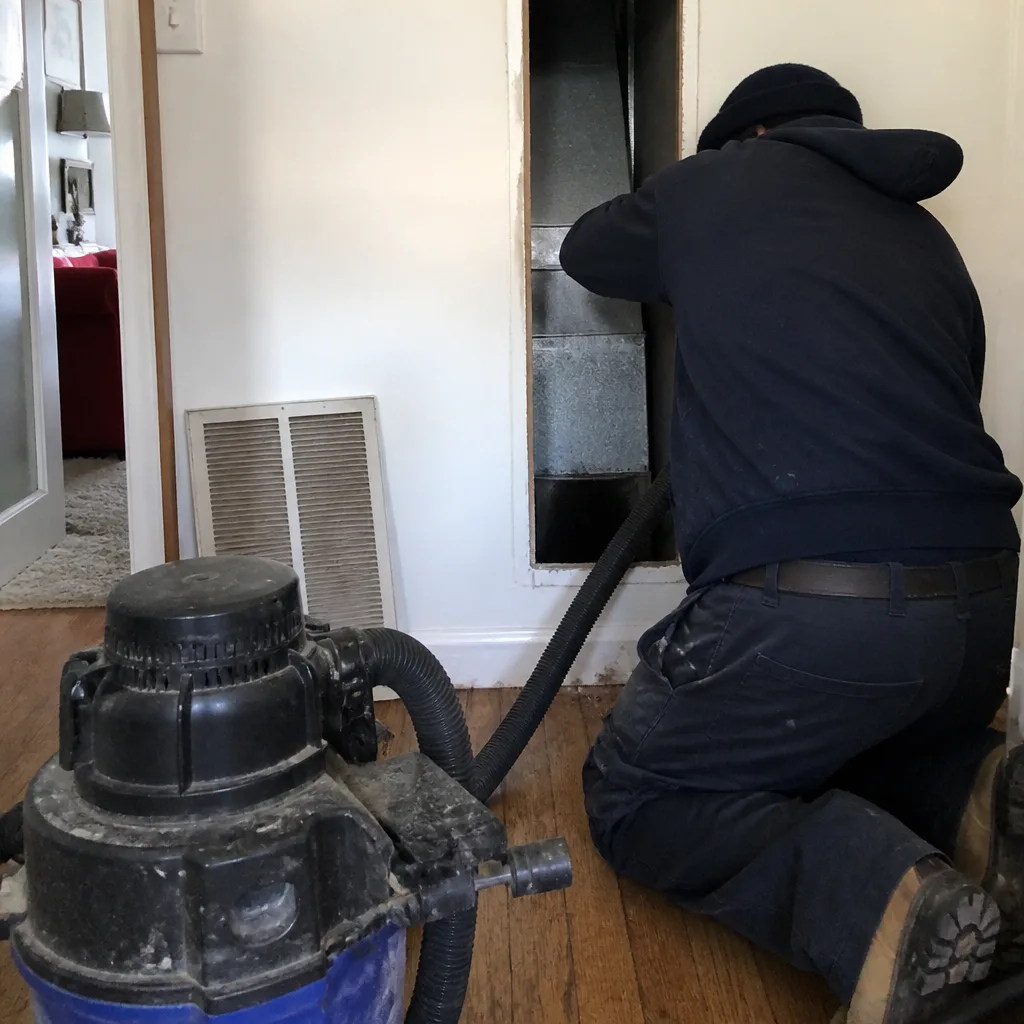 Before
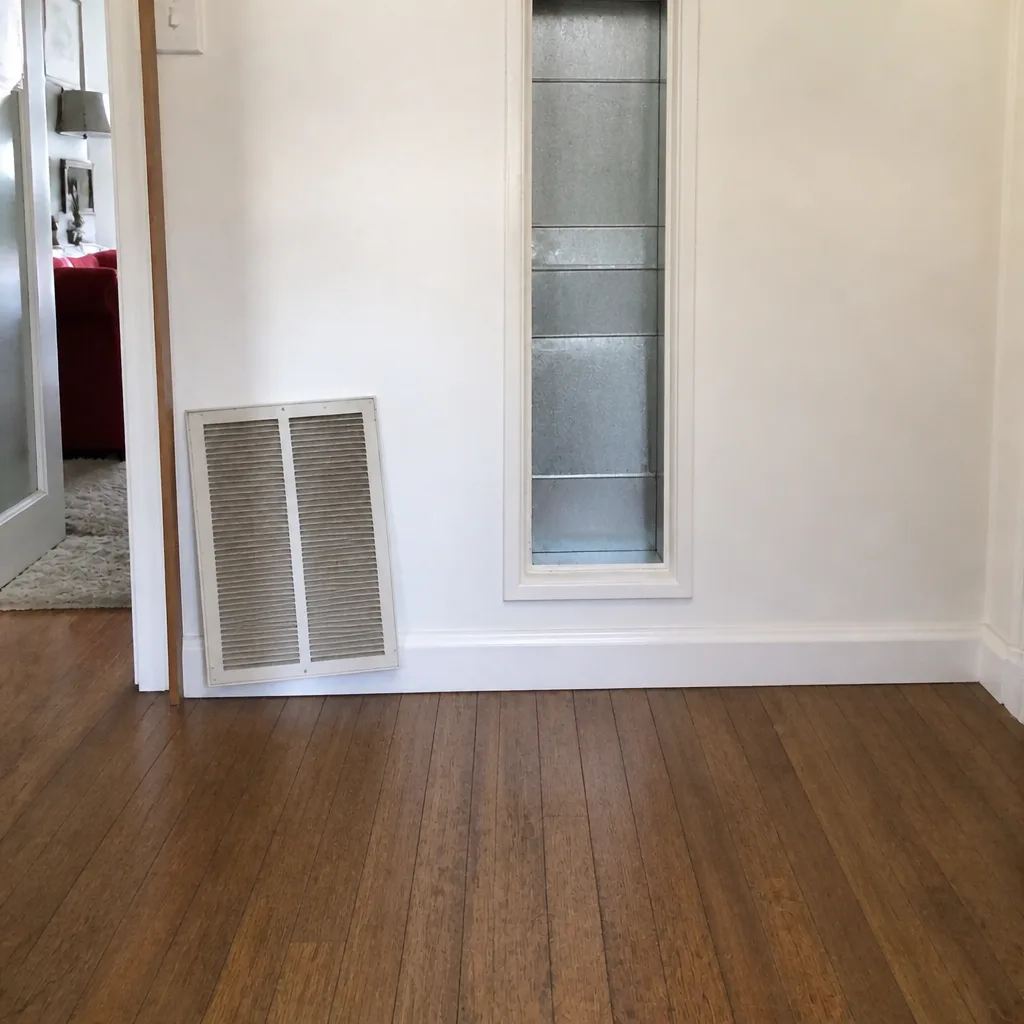 After
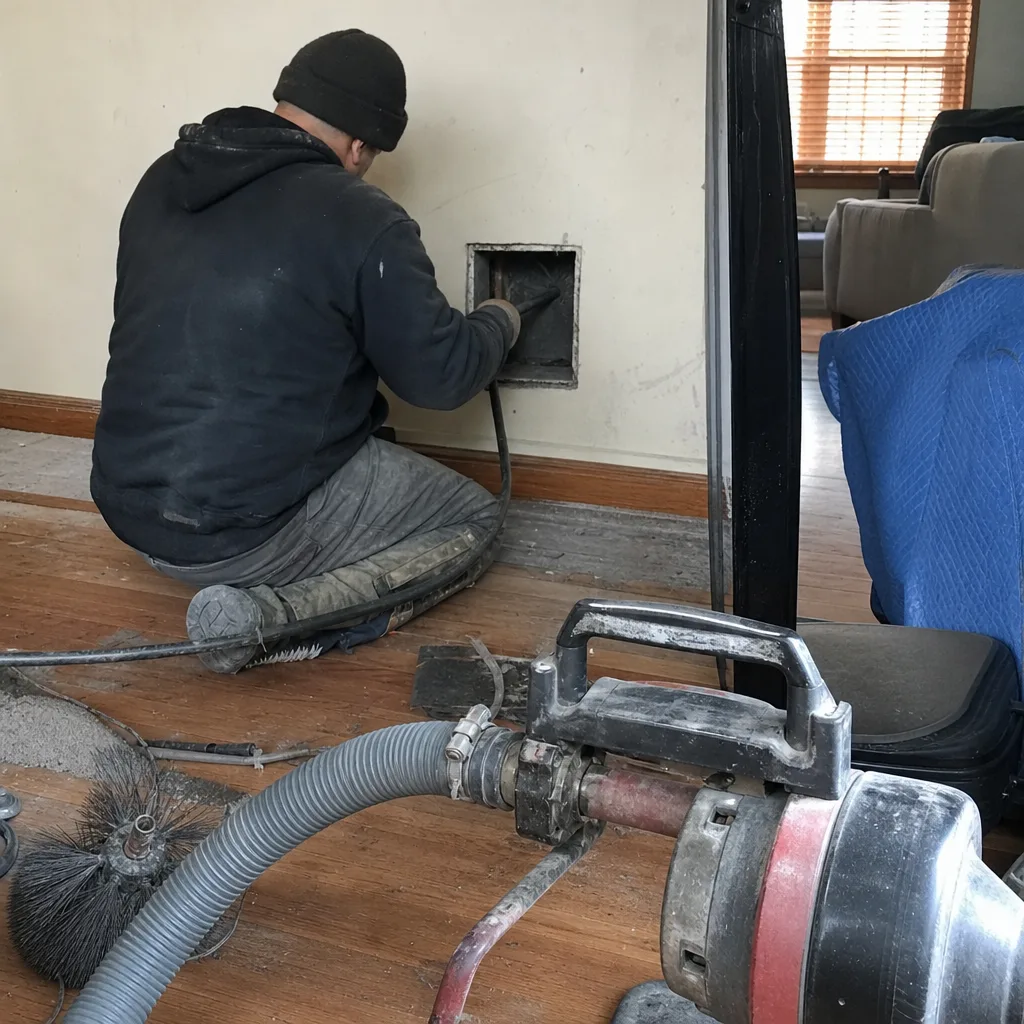 Before
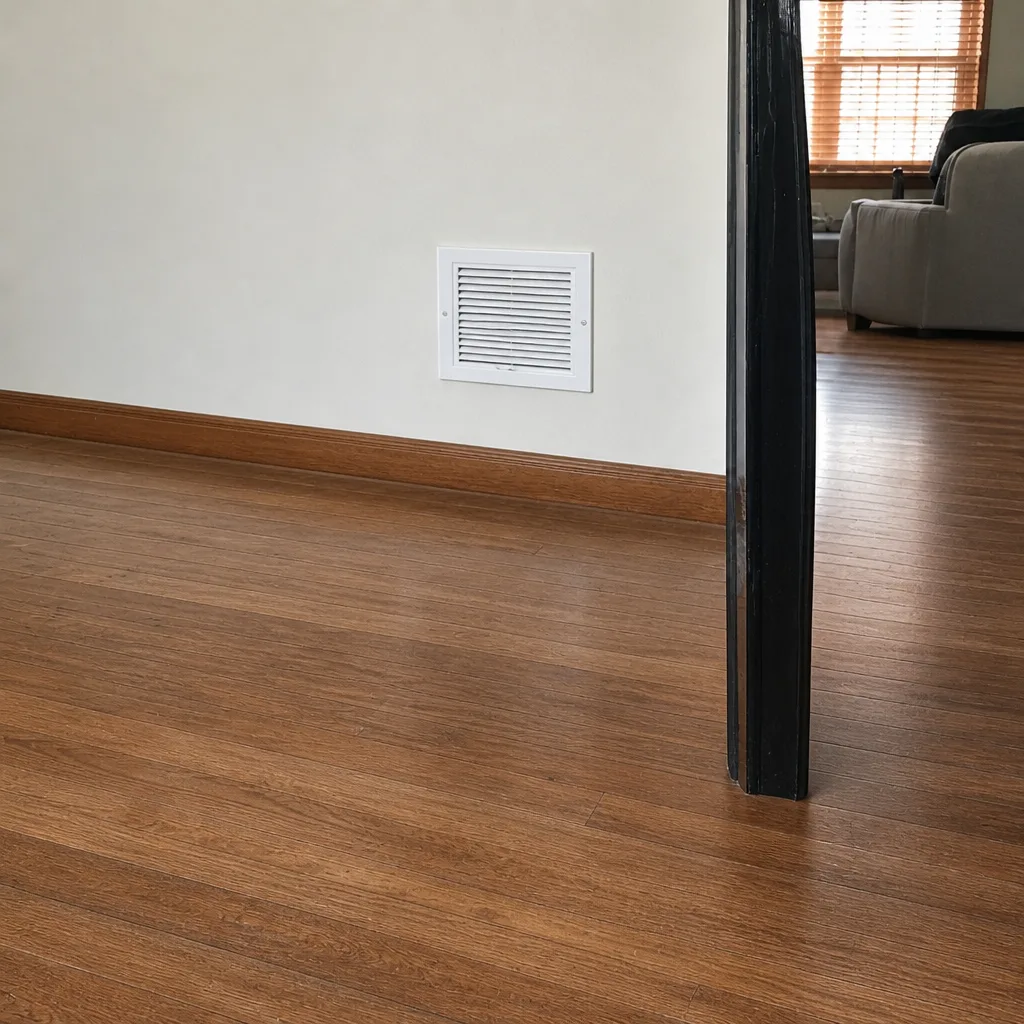 After
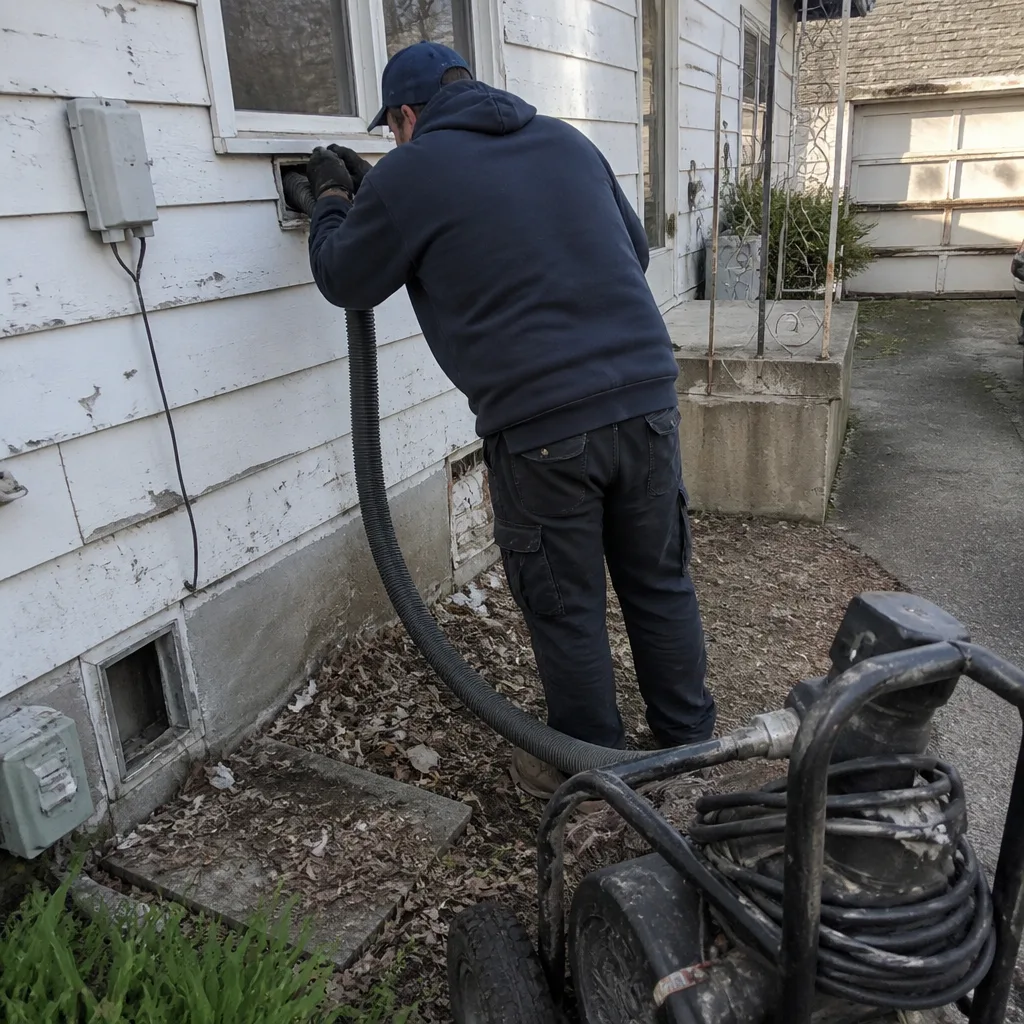 Before
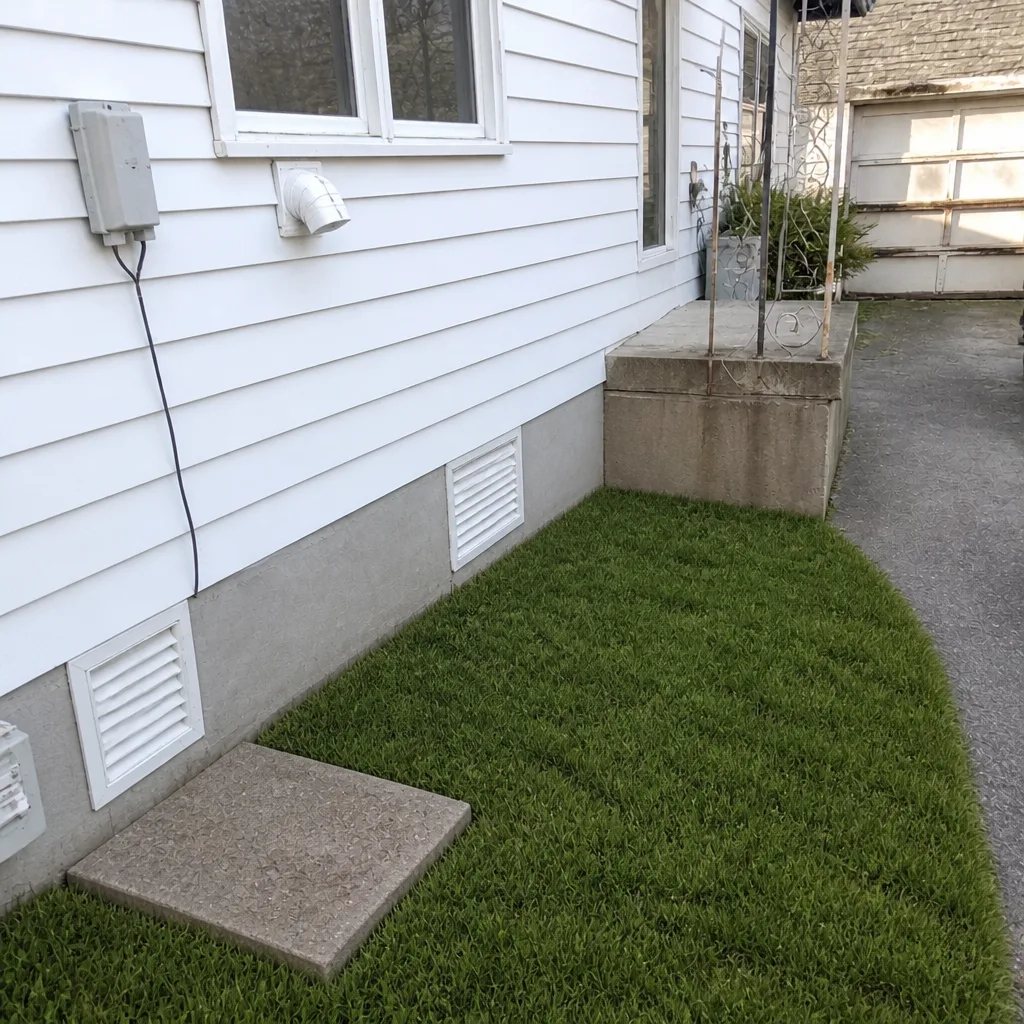 After
When to Call a Professional
Call when two or more of the decision triggers above are true, when a renovation or HVAC replacement has just finished, when the dryer is underperforming, or when you’ve just moved into a Holmesburg home and can’t confirm when the ducts were last cleaned. Call if you or someone in the home has asthma or allergies that worsen indoors when the system runs. And call if the system has never been inspected inside the trunk line, because a shop vac through a register doesn’t count as an inspection. Air Duct Cleaning Holmesburg offers free estimates in Holmesburg. Every job gets one flat price per system, agreed from the written estimate before work starts, with before-and-after photos of your own ducts on completion. Call (877) 770-0234. We answer 24/7.
Frequently Asked Questions
Visible dust streaks at the registers, a musty smell when the system starts, allergy symptoms that worsen indoors, a recent renovation, or a new HVAC install with unknown duct history are all signals to schedule an inspection. A camera look inside the trunk line settles it. If the camera shows heavy settled debris or blower contamination, professional cleaning is warranted. Call (877) 770-0234 for a free estimate.
It can, particularly in flex duct. Consumer brushes run at fixed speeds and apply pressure on the corrugated liner, which can tear the inner layer on a flex run. Rigid metal duct tolerates a brush better, but the more common problem is simply that the brush doesn’t reach far enough to matter. If a brush kit drops debris loose into the return side, it leaves the system dirtier than before. Call (877) 770-0234 for an exact quote.
Per-vent pricing with a low headline number usually covers a surface touch at the register and nothing deeper. It doesn’t include the trunk line, return plenum, blower wheel, or coil cleaning, and it doesn’t include negative-pressure containment while cleaning. Ask any contractor exactly what they clean inside the trunk, how they contain the debris while cleaning, and whether before-and-after photos come with the job. Call (877) 770-0234 for a written estimate that shows the full scope.
Most homes fall into a window of every several years, and the trigger is conditions rather than a fixed calendar. A home with pets, recent renovation work, or a smoker draws the timeline in; a clean home with high-quality filters stretches it out. If the decision-trigger signals from this guide start returning, schedule a look. Call (877) 770-0234 and we’ll tell you honestly whether the timing is right.
Cleaning removes the settled reservoir of dust, pet dander, and debris that gets re-suspended every time the system cycles. It’s one part of indoor air quality, and it works alongside filtration and ventilation rather than in place of them. If allergy symptoms worsen indoors, a full inspection of the trunk line, blower, and coil is the honest starting point. Call (877) 770-0234 for an estimate.
Dryer vent cleaning is available on its own or alongside ductwork, using powered brush and negative-pressure extraction to clear the full run to the exterior. On homes with long vent runs, this is often the more pressing job, since airflow restriction builds faster there than in the ducts. Call (877) 770-0234 for a free estimate and we’ll walk you through both in the same conversation.
The Bottom Line
DIY duct cleaning is a maintenance routine, not a corrective service. A shop vac and long brush clean the first foot of each branch run, and everything past that first elbow sits untouched. In Holmesburg homes with older galvanized metal systems, the trunk lines usually hold most of the debris; homes with flex duct hide it in corrugated liner no consumer brush can scrub. Meanwhile the blower wheel, coil face, and return plenum (the parts that drive air quality) stay out of reach without professional equipment and negative-pressure containment. Do the four DIY tasks well, watch for the decision triggers, and stop treating a register vacuum as a duct clean.
Air Duct Cleaning Holmesburg works the full air pathway, from duct cleaning and HVAC cleaning to repair, sealing, sanitizing, and dryer vent service. Our technicians have up to 12 years of experience, and every job is one flat price per system, agreed from the written estimate, with before-and-after photos of your own ducts. The local professional is licensed and insured as Pennsylvania requires. Call (877) 770-0234 for a free estimate. We answer 24/7. Fast dispatch from 7am to 7pm, Sunday through Friday, and we’re closed Saturday. A call outside dispatch hours is booked into the next opening.
Written by the team at Air Duct Cleaning Holmesburg.